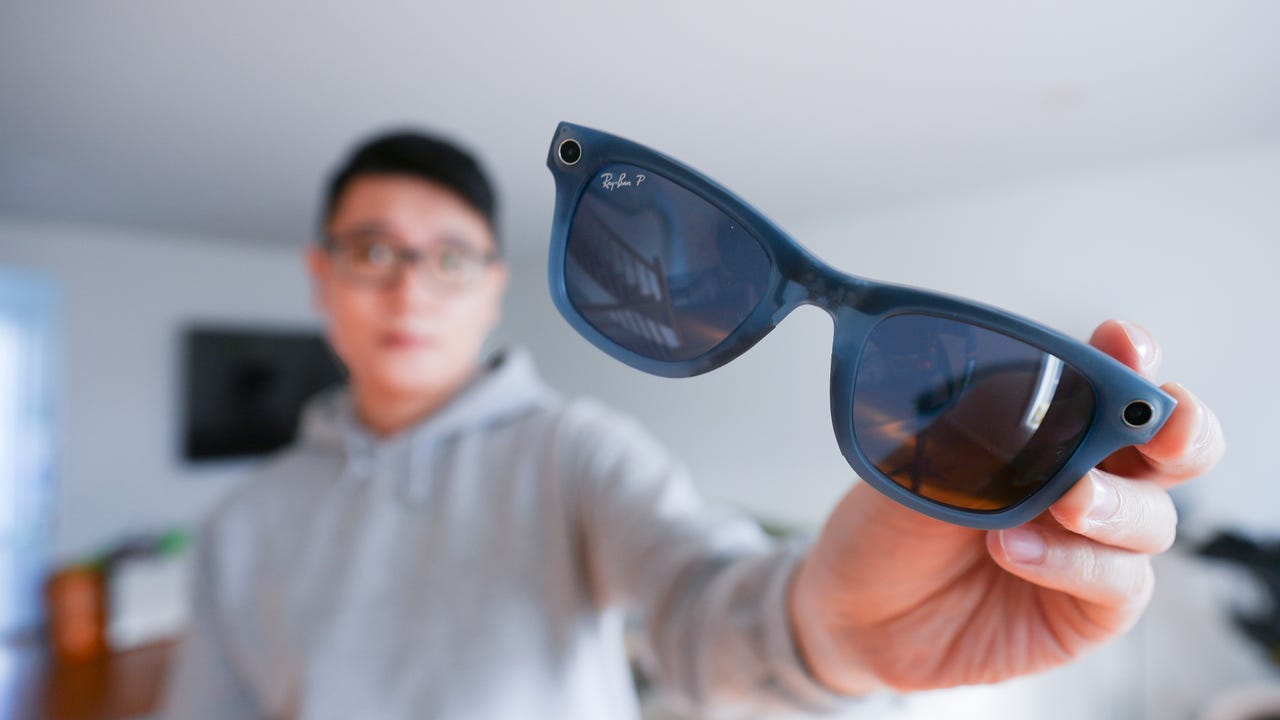
If you walk into the Casa Rosada today, you'll find the press room empty. The fingerprint scanners that usually let in a wave of accredited reporters have been deactivated. It's a ghost town. On Thursday, April 23, 2026, President Javier Milei’s administration slammed the door shut on the media, claiming that "smart glasses" are being used for illegal espionage. It’s a move that feels less like a security measure and more like a desperate attempt to control the narrative by any means necessary.
This isn't just about a gadget. It’s about how the Argentine government is using the fear of new technology to justify old-school censorship.
The Spy Who Wore Spectacles
The chaos started after the local TV network TN aired footage from inside the government house. The catch? The video wasn't shot with a bulky shoulder-cam or a shaky smartphone. It was captured by computer-powered eyewear. The footage showed Cabinet Chief Manuel Adorni walking through the halls—hardly a state secret—but it was enough to trigger a full-blown meltdown from the executive branch.
Milei didn't hold back. He took to X (formerly Twitter) to blast the journalists involved, calling them "disgusting trash" and "criminals." Communications Director Javier Lanari backed him up, announcing that removing journalist access was a "preventative measure" to protect national security.
But let’s be real for a second. If a journalist can walk into a public building with glasses that happen to have a camera, and that constitutes "national security" breach, the problem isn't the glasses. It's the government's fragile relationship with transparency.
Why This Isn't Actually About Security
Governments love to hide behind the "espionage" tag whenever they get caught in an unflattering light. Smart glasses, like those developed by Meta or other tech giants, are becoming part of everyday life. They aren't James Bond gadgets; they're the 2026 version of a GoPro.
By banning all accredited journalists because of one report, the Milei administration is using a shotgun to kill a fly. Here’s why the "espionage" excuse falls apart:
- Accredited Access: These aren't random people off the street. These are reporters who have gone through background checks and hold official credentials.
- Public Spaces: The footage in question was taken in common areas of the Casa Rosada, not a high-security vault or a situation room.
- Selective Outrage: Milei’s government has a history of attacking the press. This just happens to be the latest convenient weapon.
According to local watchdog FOPEA (Foro de Periodismo Argentino), 2025 was already the most violent year for press freedom in Argentina since they started keeping records in 2008. We’re seeing a 139% increase in attacks on journalists since Milei took office. This ban isn't an isolated incident; it’s a strategy.
The Dangerous Precedent of Tech Bans
When you ban a specific piece of hardware, you aren't just banning a camera. You’re setting a rule that the government gets to decide what tools are "acceptable" for the public to see what they’re doing.
If smart glasses are "espionage tools" today, what’s next? Smartwatches with voice recorders? Phones with high-zoom lenses? AI-powered transcription apps? In 2026, technology and journalism are inseparable. Trying to strip a reporter of their tech is trying to strip them of their ability to do the job.
The Argentine Journalism Forum and other press freedom groups have called this an "unjustified" and "explicit attack" on the public's right to information. They’re right. When you block the entry of a Reuters reporter who has worked there for years, you aren't protecting the state. You’re protecting yourself from scrutiny.
A Pattern of Stigmatization
Milei’s rhetoric is the real security threat here. When a president calls 95% of the press "filthy scum," he’s giving a green light for harassment. We’ve already seen reporters hit with rubber bullets and pepper spray during protests over the last year.
The administration’s "mute button" policy in press conferences was already bad enough. Now, they’ve graduated to a literal lock on the door. It’s a classic authoritarian move:
- Label the media as "the enemy."
- Claim a "national security" threat.
- Remove physical access.
- Replace real journalism with state-controlled social media posts.
What Happens Now
Journalism in Argentina is at a breaking point. If you’re a reporter in Buenos Aires, you’re basically walking on eggshells. The government is essentially saying, "We'll let you in, but only if you use the tools we like and say the things we want."
The next steps for the media community aren't just about fighting this specific ban. It’s about challenging the very idea that a camera on a pair of glasses is a threat to a democracy.
If you want to support press freedom in this environment, here's what actually matters:
- Support Independent Outlets: Networks like TN and regional reporters are the ones on the front lines.
- Call Out the Rhetoric: Don't let the "espionage" narrative slide. It's a distraction from the fact that journalists are being physically barred from their place of work.
- Demand Tech Neutrality: Privacy laws should focus on what is being recorded and where, not the specific shape of the device doing the recording.
The Casa Rosada belongs to the people of Argentina, not just the person currently sitting in the big chair. Blocking the eyes and ears of the public—whether they’re wearing smart glasses or not—is a coward’s move.