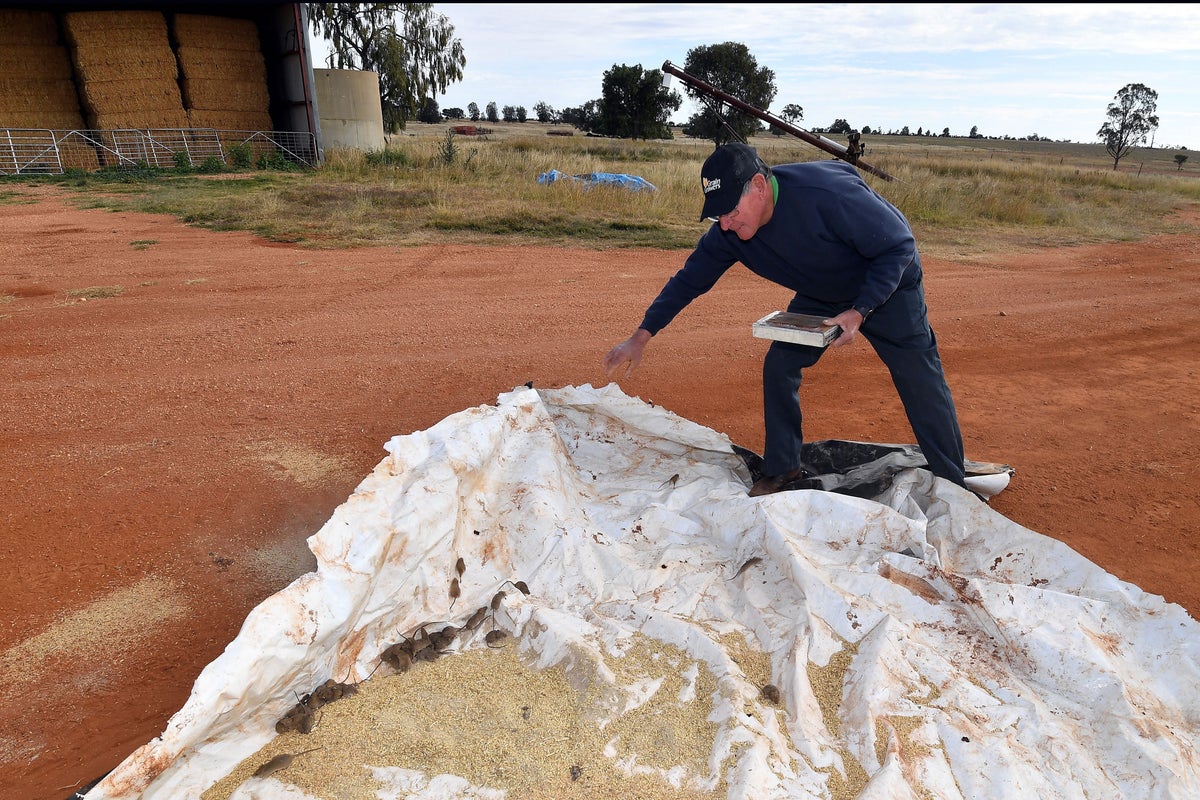
The sound of thousands of tiny claws scratching inside your walls isn't just a nightmare. For farmers in New South Wales and Queensland, it's a warning bell for a looming economic disaster. We’ve seen this movie before, and it always ends with ruined crops, destroyed machinery, and a mental health toll that stays long after the paddocks are cleared. The buzz about a massive mouse plague isn't just tabloid sensationalism. It’s a grounded fear based on perfect breeding conditions and a cycle that's becoming harder to break.
If you’re looking at the grain belt right now, you’ll see the signs. High rainfall and bumper harvests provide the two things mice love most: plenty of food and soft ground for burrowing. When the ground is damp and the silos are full, a single pair of mice can produce hundreds of offspring in months. It's exponential growth that defies logic until you see a shed floor moving because it’s carpeted in grey fur.
The true cost of a rodent invasion
Most people think a mouse plague just means a few extra traps in the kitchen. On a broadacre farm, it’s a total war. Mice don't just eat grain; they contaminate it with droppings and urine, making entire shipments unsellable. They chew through electrical wiring in tractors worth half a million dollars. They ruin insulation in homes. The financial sting isn't just the lost crop—it’s the repair bill and the cost of baiting programs that can run into tens of thousands of dollars.
I've talked to growers who describe the smell as the worst part. It’s a thick, sickly scent of ammonia and decay that hangs in the air and gets into your clothes. You can’t wash it out. During the 2021 plague, some families had to move out of their homes because the infestation was so thick they were finding mice in their bedsheets. That’s the reality of a plague. It’s invasive. It’s constant. It’s exhausting.
Why the 2026 forecast looks so grim
Data from the CSIRO suggests that monitoring is our only real defense, but even that has limits. The current spike in mouse numbers across parts of Western Australia and the eastern states is fueled by a few specific factors.
- Summer rain patterns: Record-breaking rain has kept the soil moist. This makes it easy for mice to build deep, protected burrow systems that keep them safe from predators and heat.
- Stubble retention: Modern farming practices involve leaving crop residue on the ground to improve soil health. It’s great for the environment, but it provides a buffet and a hiding spot for rodents.
- Lack of natural predators: While birds of prey and snakes do their part, they can't keep up with a population that doubles every few weeks.
The CSIRO’s MouseAlert platform has been lighting up. Farmers are reporting high "active burrow" counts. Basically, if you see one mouse during the day, there are likely hundreds more you aren't seeing. Mice are nocturnal. By the time they’re visible in the daylight, the population has already exploded beyond control.
The zinc phosphide dilemma
Farmers are currently scrambling for bait, but it’s not as simple as throwing some pellets around. Zinc phosphide is the heavy hitter here. It’s effective, but it’s expensive and highly regulated. There’s always a tension between needing to protect the crop and the environmental risk to non-target species like native birds.
During the last major outbreak, the New South Wales government had to step in with multi-million dollar baiting subsidies. Even then, global supply chains often buckle when every farmer in the country needs the same chemical at the exact same time. If you wait until the plague is "official" to buy your supplies, you’re already too late. You’ll be sitting on a porch watching your profit get eaten while waiting for a delivery that might not come for weeks.
How to spot the early warning signs
You need to be proactive. If you’re waiting for the "horror story" headlines, you’ve lost the battle. Expert agronomists suggest a few ways to gauge the threat level on your property before it becomes a crisis.
Walk your paddocks at dusk. Don't just look at the edges; get into the middle. Look for chewed stems and hollowed-out grain heads. Check your equipment sheds and haystacks for fresh droppings. Some farmers use "canola cards"—small pieces of paper soaked in canola oil. You leave them out overnight and count how many squares have been chewed. If more than 10-20% of the card is gone in one night, you have a serious problem brewing.
Managing the mental health fallout
We don't talk enough about the psychological impact. Farming is stressful enough without feeling like your home is being invaded. The constant scratching, the ruined property, and the feeling of helplessness can break even the toughest people. Rural support networks like Rural Aid often see a spike in calls during these periods. It's not just about the money. It’s the feeling of being under siege in your own backyard.
If you’re a grower, check in on your neighbors. A mouse plague is a community problem. If one farm baits and the next one doesn't, the mice just move across the fence line. Coordinated baiting is the only way to actually knock back the population at scale.
Your immediate action plan
Stop waiting for the government to declare an emergency. By then, the damage is done. You need to act while the population is still manageable.
- Map your risk: Use tools like MouseAlert to see what's happening in your region. Information is your best weapon.
- Clean up the buffet: Clean up grain spills around silos and sheds immediately. Every stray handful of grain can feed a litter of mice.
- Secure your perimeter: Check the seals on your grain storage. Steel silos are your best friend; old bags or bunkers are just an open invitation.
- Order bait early: Talk to your supplier now. Even if you don't use it all, having a baseline stock is better than being at the back of a 500-person waiting list in three months.
- Monitor burrow activity: Keep a weekly log of active holes in your paddocks. If the number jumps, trigger your baiting program instantly.
The window to prevent a repeat of the 2021 disaster is closing fast. The conditions are set, the mice are breeding, and the clock is ticking. You can't control the rain, but you can control how much of your hard work ends up as mouse food. Take the threat seriously today or prepare to pay for it at harvest.