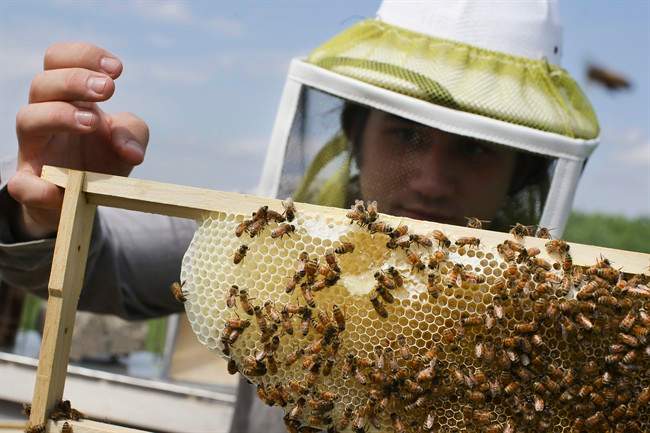
You’ve likely seen them popping up in your neighbor's yard or on a downtown Toronto rooftop: those stacked white boxes teeming with life. Beekeeping isn't just for commercial farmers in the Prairies anymore. It’s become a full-blown obsession in Ontario and British Columbia.
In 2025, the number of beekeepers in BC hit over 5,300, a massive climb from just a few years ago. Ontario isn't far behind, with over 5,100 registered keepers. Most of these people aren't looking to quit their day jobs. They’re hobbyists—urbanites and suburbanites who want a slice of nature in a concrete world. But while the "save the bees" sentiment is great for morale, keeping a hive alive in 2026 is harder than the aesthetic Instagram photos suggest.
The Urban Migration of the Honeybee
If you think bees belong in a field of clover, you’re only half right. Vancouver and Toronto have become unexpected sanctuaries. The reason? Cities are surprisingly consistent. While a mono-crop farm might only provide nectar for two weeks a year, a city backyard offers a buffet of ornamental flowers, balcony gardens, and massive linden trees that bloom at different times.
This "floral diversity" is why an urban hive in BC might outperform a rural one during a dry summer. But space is tight. In Ontario, there’s a push to modernize the old "30-metre rule." Right now, the law says you need to keep hives 30 metres from property lines. That’s impossible in most backyards. Associations are fighting to change these archaic rules because, frankly, people are doing it anyway. If you're in BC, check your local bylaws—cities like Port Coquitlam allow two hives per lot, but you need a 2-metre high fence to force the bees' flight path upward and over your neighbor’s head.
Reality Check on the Learning Curve
I’ve seen too many people buy a starter kit in April and have a "dead-out" by December. Beekeeping isn't like having a bird feeder. It’s more like keeping high-maintenance livestock that can fly away.
Last year, Ontario’s small-scale beekeepers saw a 43% winter loss. That’s nearly half the hives gone in one season. Compare that to the commercial guys who lost about 37%. Why the difference? Experience. New keepers often miss the warning signs of a failing queen or a mite infestation until it’s too late.
The Invisible Killer
The biggest mistake you’ll make is ignoring the Varroa destructor mite. If you aren't testing for mites, you don't have bees; you have a ticking time bomb. These parasites don't just suck the "blood" (hemolymph) from bees; they transmit viruses that cause deformed wings and colony collapse.
http://googleusercontent.com/image_content/188
Successful keepers in 2026 are moving toward Integrated Pest Management. This means using a mix of:
- Screened bottom boards to let mites fall out of the hive.
- Drone brood removal to trap mites where they like to breed.
- Organic acids like Oxalic or Formic acid during specific windows of the year.
If you’re just "letting nature take its course," your bees will likely die, and they’ll take your neighbor's healthy hive down with them as they succumb to "mite bombs."
Climate Change is Changing the Rules
We can't talk about the BC and Ontario boom without mentioning the weather. BC has been dealing with erratic springs and brutal droughts. In 2024 and 2025, the Peace River region saw honey yields tank because the flowers simply didn't have enough moisture to produce nectar.
In Ontario, it’s the "false spring" that kills. A warm week in February lures the bees out of their tight winter cluster. They start eating through their honey stores rapidly. Then, when the frost hits again, they're too spread out to stay warm and they starve just inches away from food. To survive this, you’ve got to be active. You’re checking hive weights in March and sliding in sugar fondant if they’re light. It’s hands-on work.
How to Actually Get Started Without Failing
If you're ready to join the 10,000+ keepers in these two provinces, don't just buy a book. Books don't know your local micro-climate.
- Join a Club: The BC Honey Producers’ Association or the Ontario Beekeepers’ Association are your best friends. They have local chapters where someone will actually show you how to light a smoker without burning your eyebrows off.
- Register Your Hives: In BC and Ontario, it’s mandatory. This isn't just government overreach; it helps inspectors track diseases like American Foulbrood, which can wipe out every hive in a five-mile radius.
- Start with Two: One hive tells you nothing. Two hives allow you to compare. If one is booming and the other is sluggish, you can swap frames of brood to balance them out.
- Buy Local Queens: Don't buy "packages" shipped from overseas if you can help it. They aren't adapted to Canadian winters. Look for breeders in the Okanagan or Southern Ontario who select for hygienic behavior—bees that actually "groom" the mites off each other.
Stop overthinking the "save the bees" mantra. If you want to help the environment, plant a native oak tree. If you want a challenging, rewarding, and sometimes heartbreaking hobby that yields the best honey you've ever tasted, then buy the veil. Just be ready to work for it.
The Buzz about Urban Beekeeping
This video discusses the shifting regulations in Ontario and the practicalities of maintaining hives in densely populated areas.