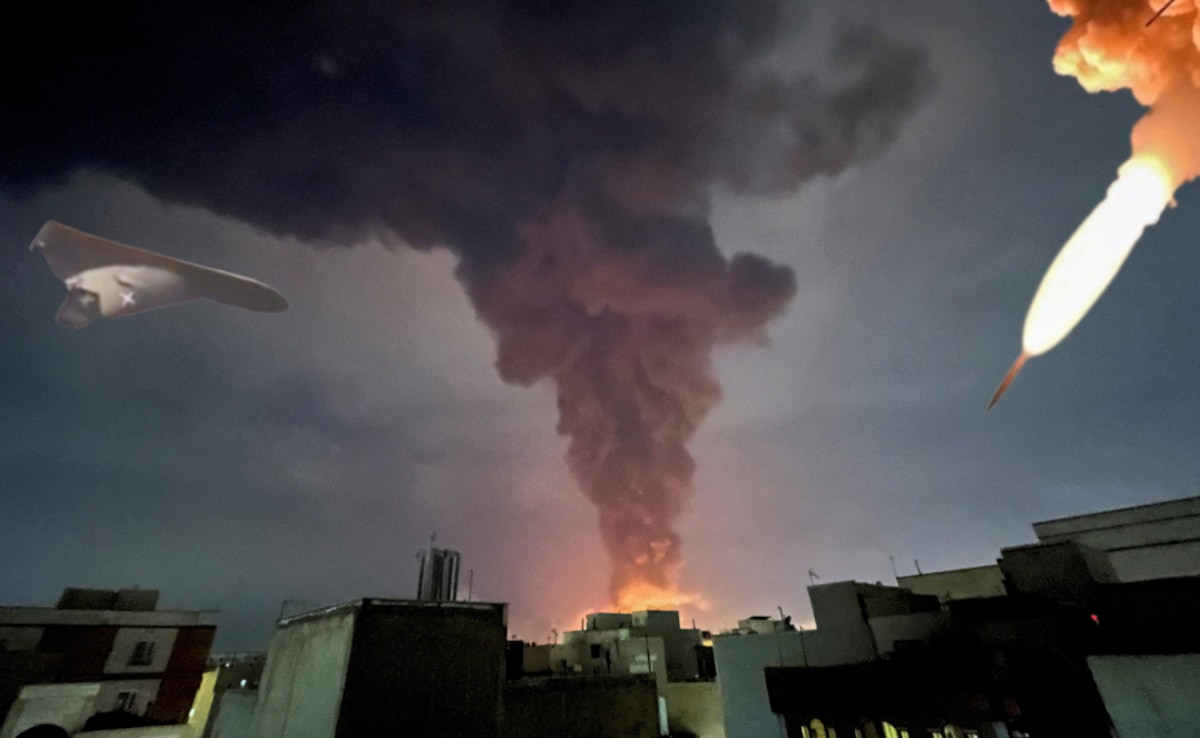
The deployment of tactical ballistic missiles carrying 1,000 kg high-explosive warheads represents a fundamental shift in the physics of regional deterrence, moving from symbolic harassment to high-probability structural destruction. This transition is not merely an incremental upgrade in payload; it is a recalibration of the "damage-to-target" ratio that alters how state actors calculate the cost of intervention. When a warhead reaches the one-metric-ton threshold, the objective shifts from precision-guided assassination or electrical grid disruption to the terminal kinetic demolition of hardened military infrastructure.
The Kinetic Energy Calculus
To understand why the 1,000 kg mark is a tipping point, one must look at the relationship between mass, velocity, and the resulting pressure wave. Traditional tactical missiles in the regional theater often carry payloads in the 400 kg to 600 kg range. While effective against soft targets, these smaller warheads struggle against reinforced concrete and underground command centers.
The transition to a 1,000 kg payload functions on three primary mechanical axes:
- Overpressure Radius: A 1,000 kg warhead roughly doubles the "kill zone" for structural failure compared to a 500 kg equivalent. In urban or industrial settings, the resulting overpressure (measured in psi) stays above the 10-12 psi threshold—the point at which most reinforced buildings collapse—over a significantly wider area.
- Crater Depth and Earth Shock: For hardened targets, the sheer mass of the warhead provides the necessary momentum to penetrate deeper into the soil or concrete before detonation. This creates a "coupling" effect where the energy of the explosion is transferred into the ground as a localized seismic event, shattering foundations even if the building itself remains standing.
- The Interception Tax: Heavy warheads complicate the physics of missile defense. An interceptor must deliver significantly more kinetic energy to deviate or destroy a one-ton mass. If the interception occurs too low, the debris field itself—essentially a ton of falling high-grade steel and unspent propellant—remains a lethal ballistic threat to the target area.
Strategic Logic of the High-Mass Payload
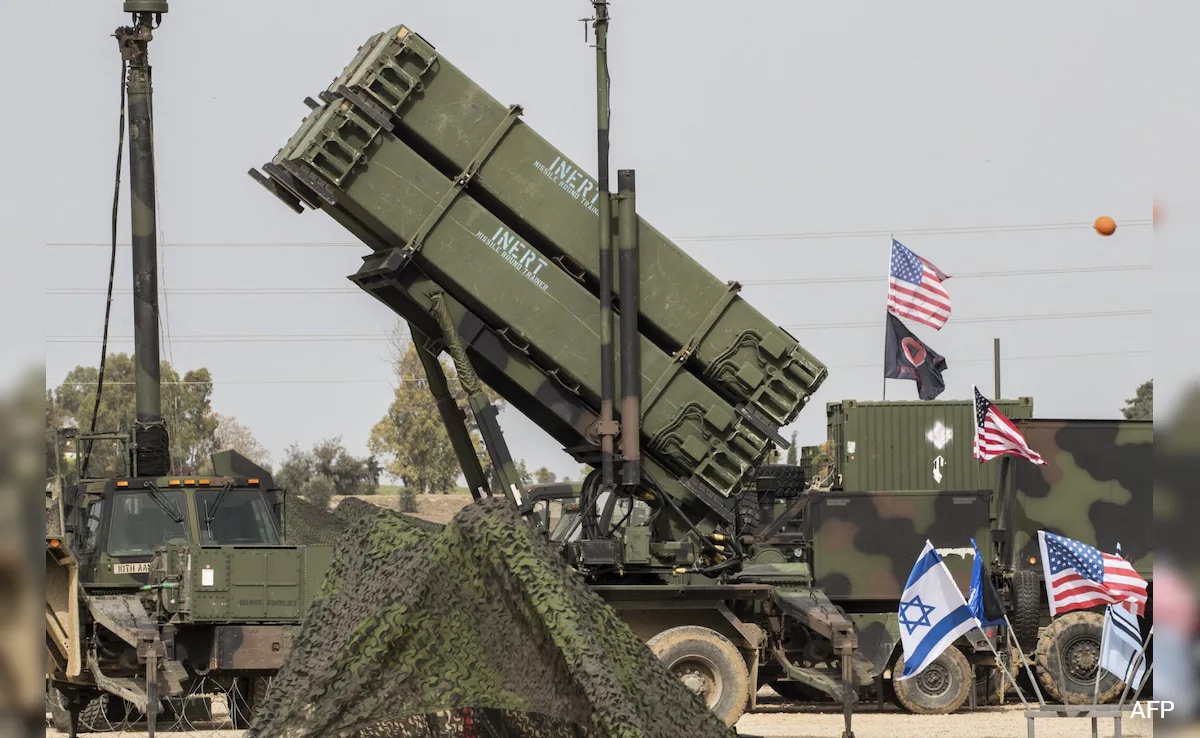
The decision to field larger warheads is a response to the increasing density and sophistication of regional missile defense systems like Iron Dome, David’s Sling, and the Patriot PAC-3. In a saturated defense environment, a military commander assumes a certain percentage of missiles will be intercepted.
The strategic math follows a "Value-at-Impact" framework. If a state fires ten missiles with 500 kg warheads and eight are intercepted, the total delivered payload is 1,000 kg. If they fire ten missiles with 1,000 kg warheads and eight are intercepted, the delivered payload is 2,000 kg. By doubling the payload per unit, the aggressor effectively negates the marginal gains of the defender's interception rate without needing to increase the number of expensive launch platforms.
Operational Constraints and Engineering Trade-offs
A 1,000 kg warhead is not a "free" upgrade. It imposes severe limitations on the missile's flight profile and logistics.
- Range-Payload Inverse Relationship: Every kilogram of explosive added is a kilogram of fuel removed. To maintain a 1,000 kg payload while reaching distant targets, the missile must utilize more advanced solid-propellant formulations or move to a larger multi-stage airframe. This makes the "heavy" variants more difficult to conceal and slower to deploy.
- Reentry Heating: Heavier warheads generate more friction as they re-enter the atmosphere. Maintaining structural integrity at Mach 5+ requires more robust thermal shielding, which adds even more non-explosive weight to the front end. This creates an engineering bottleneck where the warhead housing must be both incredibly light and incredibly heat-resistant.
- Accuracy Decay: Traditionally, as warhead mass increases, the circular error probable (CEP) tends to widen unless the guidance system is upgraded. A heavier nose changes the center of gravity, making the missile less responsive to terminal guidance fins. The shift to 1,000 kg suggests that either the accuracy has been perfected to the point where "near-misses" are still lethal due to the blast radius, or the guidance systems have moved to advanced inertial-satellite hybrid models.
The Psychology of Mass Destruction
Beyond the physical damage, the 1,000 kg threshold serves a specific role in "escalation dominance." In game theory, escalation dominance is achieved when a party can increase the stakes of a conflict to a level where the opponent cannot or will not match the cost.
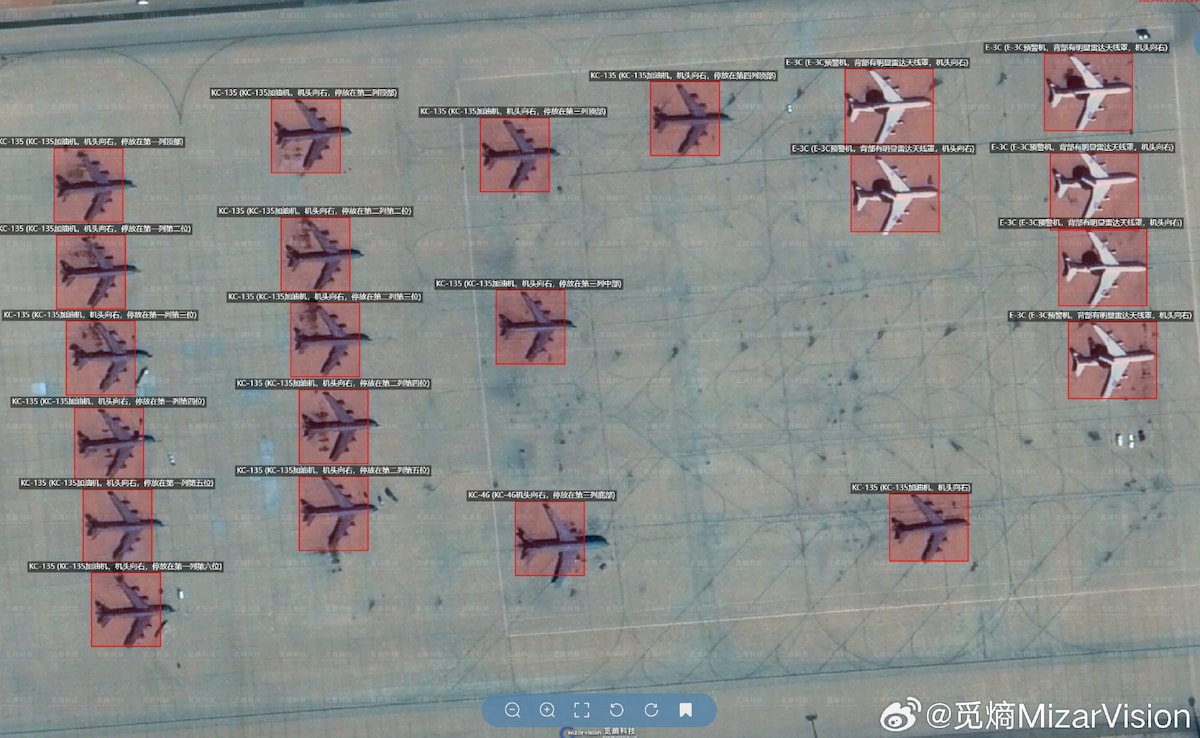
By introducing 1,000 kg warheads, a state signals that it is moving away from "proportional" responses. A 500 kg strike on an airfield can be repaired in days; a 1,000 kg strike can render the same airfield inoperable for weeks by destroying the actual subterranean fuel and ammunition lines. This forces the defender into a "pre-emptive" mindset, where the risk of allowing even a single missile to land becomes unacceptably high, potentially triggering a broader, more desperate conflict.
Infrastructure Vulnerability Analysis
The shift toward heavy tactical missiles targets the specific vulnerabilities of modern industrialized nations. Modern economies rely on highly centralized, high-value nodes:
- Desalination Plants: Large-scale water infrastructure is extremely sensitive to overpressure. A single 1,000 kg impact can contaminate and shatter the filtration systems of an entire region.
- Data Centers and Communication Hubs: While these are often protected against cyber-attacks, their physical shells are rarely designed to withstand a one-ton kinetic impact.
- Power Substations: Unlike power plants, which are large and somewhat resilient, the transformers in substations are "long-lead" items. Destroying them with heavy payloads creates a multi-year recovery timeline.
Strategic Recommendation for Defense Procurement
To counter the 1,000 kg tactical phase, defensive strategies must move away from "point defense" (protecting the target) and toward "launch-left" operations (destroying the threat before it fires). The mass and size of 1,000 kg-capable missiles make them less mobile and easier to track via persistent overhead satellite surveillance.
The defensive play is not just more interceptors, but a fundamental decentralization of critical infrastructure. If a single 1,000 kg warhead can take out a regional water supply, the only logical long-term defense is to ensure that no single node carries that much value. Hardening targets is a losing battle against the physics of a one-ton explosion; distributing targets is the only way to break the attacker's kinetic ROI.
The tactical phase of the 1,000 kg warhead signifies that the era of "precision-only" warfare is merging with the era of "mass-effect" warfare. The capability to deliver such a payload is a statement that the actor is prepared for high-intensity, structural attrition—a reality that necessitates a complete overhaul of regional security architectures.
Deploying deep-sensing acoustic and seismic sensors near high-value assets to provide an extra 10-15 seconds of terminal warning for personnel is the immediate tactical necessity. Long-term, the focus must shift to high-energy laser systems capable of compromising the structural integrity of these heavy warheads mid-flight, where their own mass and atmospheric friction become the primary drivers of their destruction.