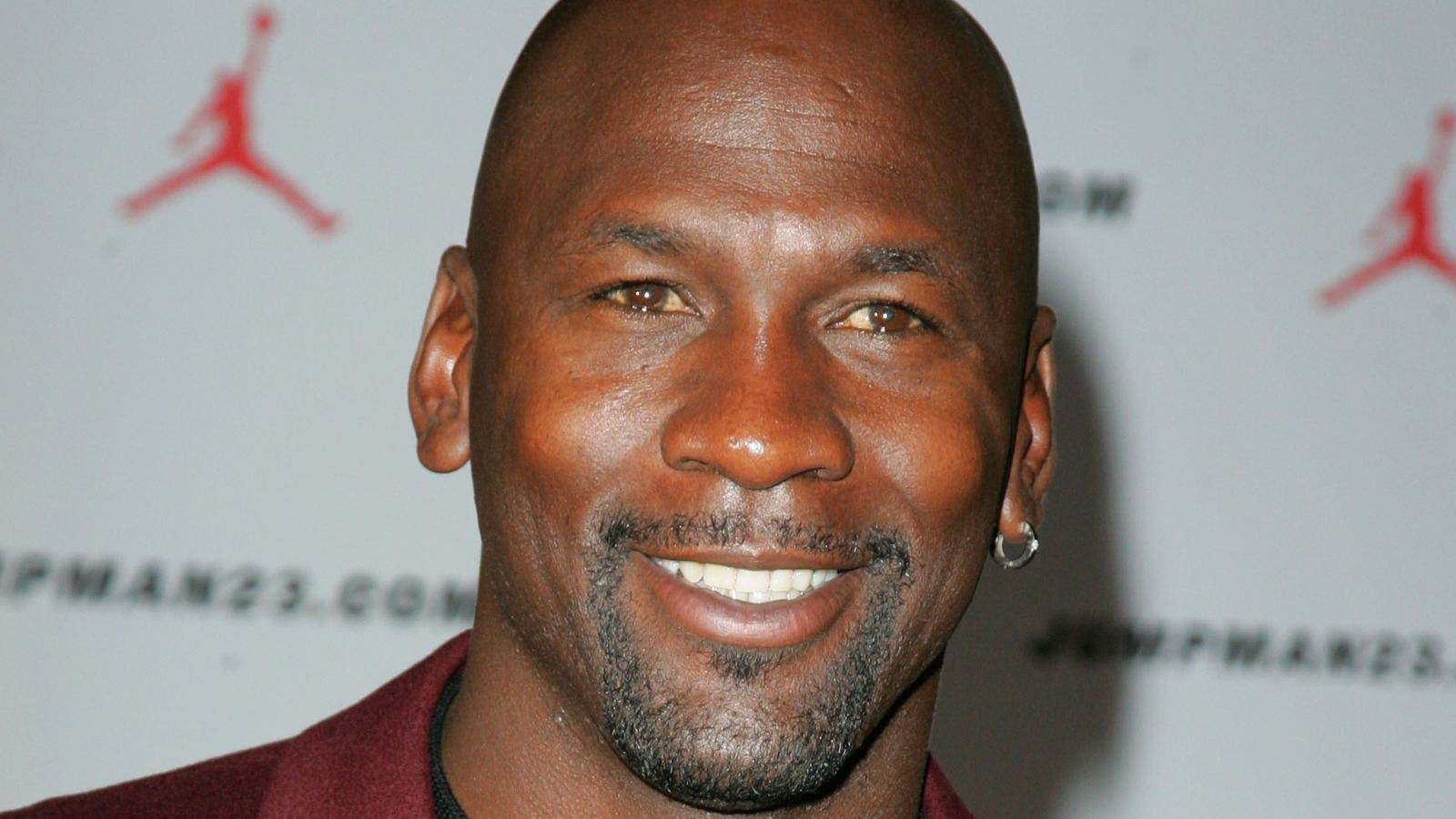
The biographical film genre operates under a fundamental tension between historical fidelity and the commercial necessity of estate cooperation. When a production focuses on a figure as culturally pervasive as Michael Jackson, the narrative is not merely a creative choice but a strategic asset management decision. The primary bottleneck in the upcoming "Michael" biopic is the paradox of authorization: the access required to use the subject’s intellectual property—music, likeness, and archival footage—often requires a structural omission of the subject’s most significant legal and moral controversies. This creates a sanitized feedback loop where the film functions as a brand extension rather than a piece of critical cinema.
The Triad of Intellectual Property Control
To understand why "Michael" avoids the "darkness" of its subject's later years, one must analyze the three pillars of control that dictate the scope of modern celebrity biopics. You might also find this similar coverage interesting: The D4vd Autopsy Delusion and Why We Fail Every True Crime Post Mortem.
- The Licensing Moat: The Michael Jackson Estate maintains exclusive rights to his discography. Without these rights, a film becomes a generic "unauthorized" project, which historically fails to achieve mass-market penetration. The price of this license is narrative veto power.
- The Hagiographic Mandate: Estates are legally and financially incentivized to protect the "long-tail" value of the brand. Portraying a subject through a lens of criminality or severe moral decay risks devaluing the asset in the eyes of future corporate sponsors and younger demographics.
- The Casting Proxy: Utilizing Jaafar Jackson, the subject’s nephew, serves as a psychological anchor for the audience, reinforcing a sense of "authenticity" through genetic proximity while simultaneously making a critical portrayal of the uncle by the nephew a social and professional impossibility.
The Mechanics of Structural Omission
The decision to terminate the narrative before the most grueling aspects of Jackson’s legal battles in the mid-2000s is a calculated risk-mitigation strategy. By focusing on the "rise" and the "peak" of the artist, the film maximizes the Emotional Resonance Variable (ERV). The audience is invited to participate in a communal nostalgia for the Thriller and Bad eras, where the cultural consensus was at its most unified.
The logic follows a simple cost-benefit function: As extensively documented in latest reports by Entertainment Weekly, the effects are notable.
$$V = (N \times M) - C$$
Where $V$ is the total value of the film, $N$ is the nostalgia factor, $M$ is the musical catalog impact, and $C$ is the controversy penalty. By truncating the timeline, the production minimizes $C$ to near zero, ensuring that the final product remains a "safe" investment for global distributors. This isn't just "dancing around controversy"; it is an algorithmic excision of risk.
The Displacement of Psychological Complexity
When a film ignores the darker variables of a subject’s life, it creates a vacuum in character development. In the case of Jackson, the "darkness" is not merely a collection of legal headlines; it represents the psychological fallout of unprecedented global isolation and physical transformation.
The film relies on the Peter Pan Archetype as a substitute for actual psychological analysis. By framing Jackson’s eccentricities as a byproduct of a lost childhood, the narrative provides a closed-loop explanation that requires no further inquiry into the more troubling aspects of his adult behavior. This displacement serves two functions: it garners empathy from the viewer and it preemptively rebuts criticisms of the subject’s judgment.
The limitation of this strategy is that it renders the protagonist a static figure. Without the friction of his later-life crises, the character lacks a meaningful arc. He becomes a sequence of performances rather than a human subject undergoing a transformation. The film stops being a biography and starts being a 150-minute music video with high-production-value connective tissue.
The Audience-Market Fit for Sanitized History
The demand for "unfiltered" truth in cinema is often overstated by critics. The global box office data for recent biopics—Bohemian Rhapsody and Bob Marley: One Love—suggests a high tolerance for narrative compression and sanitization. Audiences primarily seek a "vibe-check" of the artist's greatest hits rather than a forensic accounting of their failures.
- The Core Demographic: Fans who want their existing perceptions validated.
- The Casual Viewer: Individuals seeking a summary of the artist's cultural significance.
- The Estate: A vehicle to ensure the music continues to stream at high volumes for the next decade.
The "Michael" biopic is calibrated for these three groups. The exclusion of the 2005 trial and the subsequent decline is not a flaw in their strategy; it is the core feature. If the film were to engage deeply with the allegations of the Leaving Neverland era, it would trigger a "polarization penalty" that would alienate a significant portion of the domestic and international audience.
Financial Implications of Narrative Truncation
The choice to "bow out" before things get dark ensures the film's placement in the highest possible rating bracket for wide accessibility (likely PG-13). This expands the Total Addressable Market (TAM) to include younger generations who may only know Jackson through TikTok trends or legacy radio.
From a venture perspective, the film is a loss-leader for the music catalog. Every ticket sold is a potential 10% increase in monthly listeners on streaming platforms. The film's narrative structure is designed to funnel the viewer toward the "Buy/Stream" button, not toward a nuanced debate about the ethics of the artist.
The Precedent of Narrative Devaluation
By avoiding the complexity of Jackson's later years, the film risks contributing to a broader trend of "biopic fatigue." When the industry rewards sanitized versions of complex figures, the medium loses its ability to function as a serious historical tool. The second-order effect is a devaluation of the "biopic" brand itself. If every artist's life is presented as a triumphant ascent followed by a graceful exit, the genre becomes a commodity rather than an art form.
The fundamental breakdown of the "Michael" strategy is its reliance on the assumption that the audience is unaware of the omitted facts. In the digital age, where documentaries like Leaving Neverland are accessible on the same platforms where the biopic will eventually stream, the "omission" becomes a "statement." The silence on certain topics speaks louder than the inclusion of others.
The Strategic Recommendation for the Future of Celebrity Brands
Estates and studios must recognize that total sanitization is reaching a point of diminishing returns. The "Michael" model—high-gloss, high-nostalgia, zero-risk—will likely succeed financially in the short term. However, it leaves the brand vulnerable to the next wave of investigative or unauthorized content.
A more robust strategy for future biopics of controversial figures would involve a Managed Complexity Framework:
- Acknowledge the Friction: Use the film to frame the controversy on the estate's terms rather than ignoring it entirely.
- Focus on Process over Outcome: Show the pressures that led to the controversial decisions, providing context without necessarily seeking absolution.
- Decouple the Icon from the Human: Allow the film to portray the human failings of the individual while preserving the untouchable nature of the "icon" through the art.
The current trajectory of "Michael" suggests a retreat into the comfort of the "King of Pop" mythos. While this protects the immediate valuation of the estate, it misses the opportunity to provide a definitive, sophisticated answer to the subject’s complicated legacy. The film will likely be a masterclass in production design and performance, but it remains a strategic failure in narrative bravery. The final play for the estate is to bank the short-term revenue and hope that the sheer volume of the music drowns out the questions that the film refuses to answer.