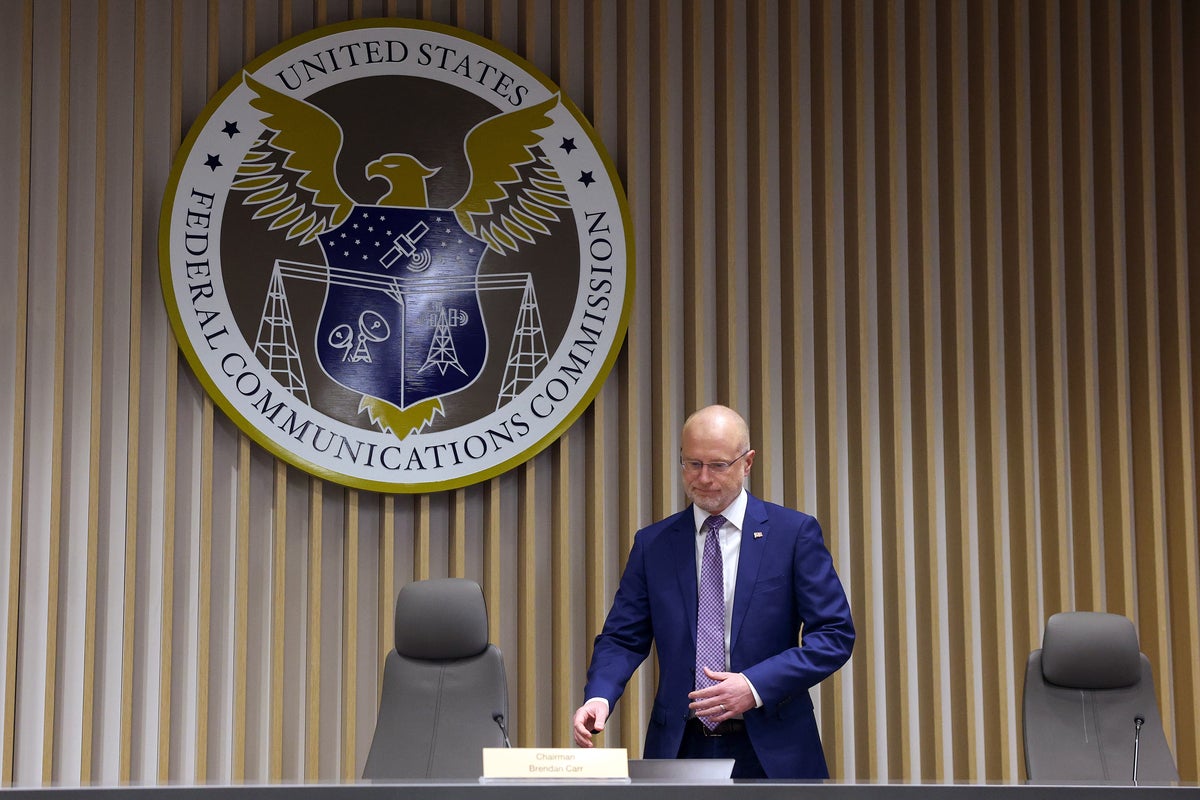
The federal government is currently trying to decide what you’re allowed to see on the evening news. On Saturday, FCC Chairman Brendan Carr essentially told American broadcasters that if they don't change how they cover the war with Iran, they might not have a business by next year. It wasn't a suggestion. It was a threat aimed directly at the licenses that allow local TV and radio stations to exist.
This escalation didn't happen in a vacuum. It follows a series of posts from President Trump attacking the Wall Street Journal and New York Times for reporting on U.S. aircraft damage in Saudi Arabia. While the FCC doesn't have the power to shut down a newspaper, it does hold the keys to the public airwaves. Carr’s warning that stations must "correct course" before their license renewals come up has sent a chill through every newsroom in the country.
The Public Interest Hammer
Carr isn't just complaining about bad reporting. He’s leaning on a specific legal phrase: the public interest. Under the Communications Act, broadcasters get to use the public's airwaves for free, but they have to serve the "public interest, convenience, and necessity."
Historically, this meant airing educational kids' shows or local weather alerts. Now, the FCC is using it as a weapon against "news distortion." Carr explicitly stated that licenses aren't a "property right." He’s telling networks that if the government decides their war coverage is a "hoax," that license is gone.
This is a massive shift in how the FCC operates. For decades, the agency has stayed away from content because of the First Amendment. But Carr is arguing that since the public has lost faith in the media—citing a dismal 9% trust rating—the government has a mandate to intervene. It’s a circular argument: the government attacks the media's credibility, and then uses that low credibility to justify seizing control of the media.
Why This War is Different
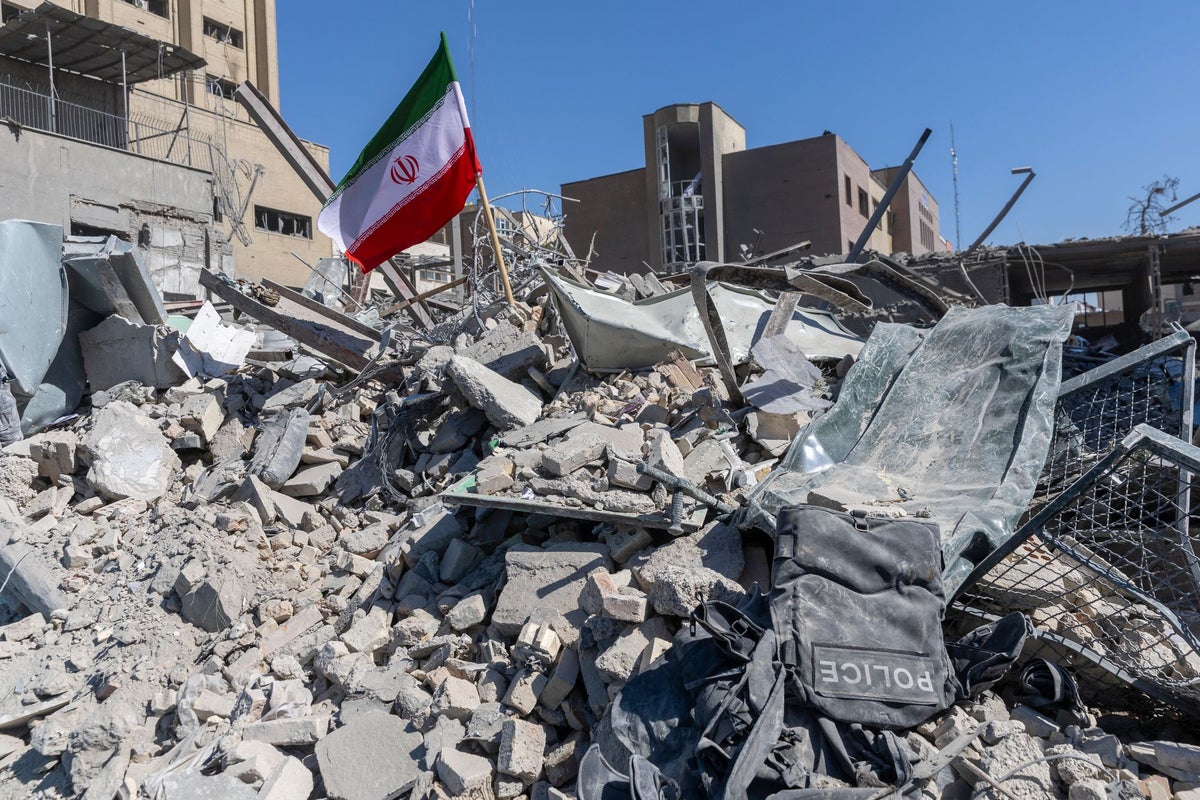
The war with Iran is only three weeks old, but it’s already becoming a regulatory battlefield. The administration is furious over reports that five U.S. refueling tankers were hit at a base in Saudi Arabia. Trump claims four of them had "virtually no damage," while the press reported a much grimmer reality.
In a normal world, the Pentagon would just release photos and the debate would end. Instead, we have the FCC Chairman posting screenshots of the President's grievances and telling broadcasters to fall in line.
- The Objective: To ensure the only narrative reaching the "over-the-air" audience is the official one.
- The Target: Local affiliates. While you might watch CNN or MSNBC on cable, those stations don't need an FCC license. But your local NBC, ABC, or CBS affiliate does.
- The Leverage: Fear. Most local stations are owned by large conglomerates like Sinclair or Nexstar. These companies aren't going to risk a billion-dollar license over a controversial war report.
Can They Actually Revoke a License?
Technically, yes. Practically, it’s a legal nightmare. Revoking a license for "news distortion" is incredibly difficult because the FCC has to prove the station knowingly aired false information. It's a high bar that was designed to protect the press.
However, Carr doesn't necessarily need to win a court case to win the war. The mere threat of a long, expensive investigation is enough to make a station manager think twice before airing a segment that contradicts the White House. We’ve already seen this play out with late-night television. After Carr criticized Jimmy Kimmel’s monologues last year, ABC suspended the show "indefinitely."
The administration is also looking at other ways to squeeze broadcasters. Carr mentioned ongoing investigations into "equal time" rules and diversity policies. They’re looking for any crack in the armor to force a "correct course."
The First Amendment vs. The FCC
Legal experts are calling this "flagrantly unconstitutional." California Governor Gavin Newsom and Senator Chris Murphy have been vocal, but the real fight will happen in the courts. The Supreme Court has historically allowed some regulation of broadcast because the spectrum is "scarce," but that hasn't traditionally included government-mandated "truth" in war reporting.
The Foundation for Individual Rights and Expression (FIRE) has been blunt: "The First Amendment doesn't allow the government to censor information about the war it's waging." If the FCC actually tries to pull a license for reporting on military losses, it will trigger the biggest constitutional crisis for the press since the Pentagon Papers.
What This Means for You
If you're getting your news from a local TV station or the radio, you're now seeing a version of events that has been "vetted" by the threat of government shutdown. You aren't just watching the news; you're watching a broadcaster try to keep its business alive.
The move away from "legacy media" is exactly what Carr and Trump want. They are encouraging people to move to "alternative" platforms that aren't bound by traditional journalistic standards. Ironically, while Carr claims he’s trying to restore trust, he’s actually dismantling the institutions that provide the most reliable local information.
Watch the "license renewal" dates for major stations in big cities. Those are the moments where the FCC will have to put up or shut up. If you see a local station suddenly change its tone or stop covering the war’s economic fallout, you know the pressure worked. Don't wait for the government to tell you what's true; compare multiple sources, especially those outside the FCC's direct reach, like international outlets or independent digital publishers.