Satellites usually go to the graveyard for one reason. They run out of gas. It doesn't matter if the electronics are pristine or if the cameras still take crisp photos of Earth. Once the propellant tanks hit empty, the mission is over. The spacecraft becomes an expensive piece of orbital junk. China just changed that narrative. Their recent successful refueling test in low Earth orbit isn't just a technical win. It’s a massive shift in how we’ll occupy the stars.
The China Academy of Space Technology (CAST) confirmed that a specialized "service" satellite successfully docked with and transferred fluid to a target satellite. This wasn't a scripted lab simulation. It happened in the harsh, high-velocity environment of LEO. If you've been following the space race, you know this is the holy grail of orbital sustainability. We’re moving away from the "disposable" era of space flight.
Why Orbital Refueling Is a Nightmare to Pull Off
Space is empty, but it’s not still. To refuel a satellite, you have to launch a "tanker" and have it find a needle in a haystack while both are moving at 17,500 miles per hour. One tiny math error and you don't have a refueling mission; you have a high-speed collision that creates a cloud of shrapnel.
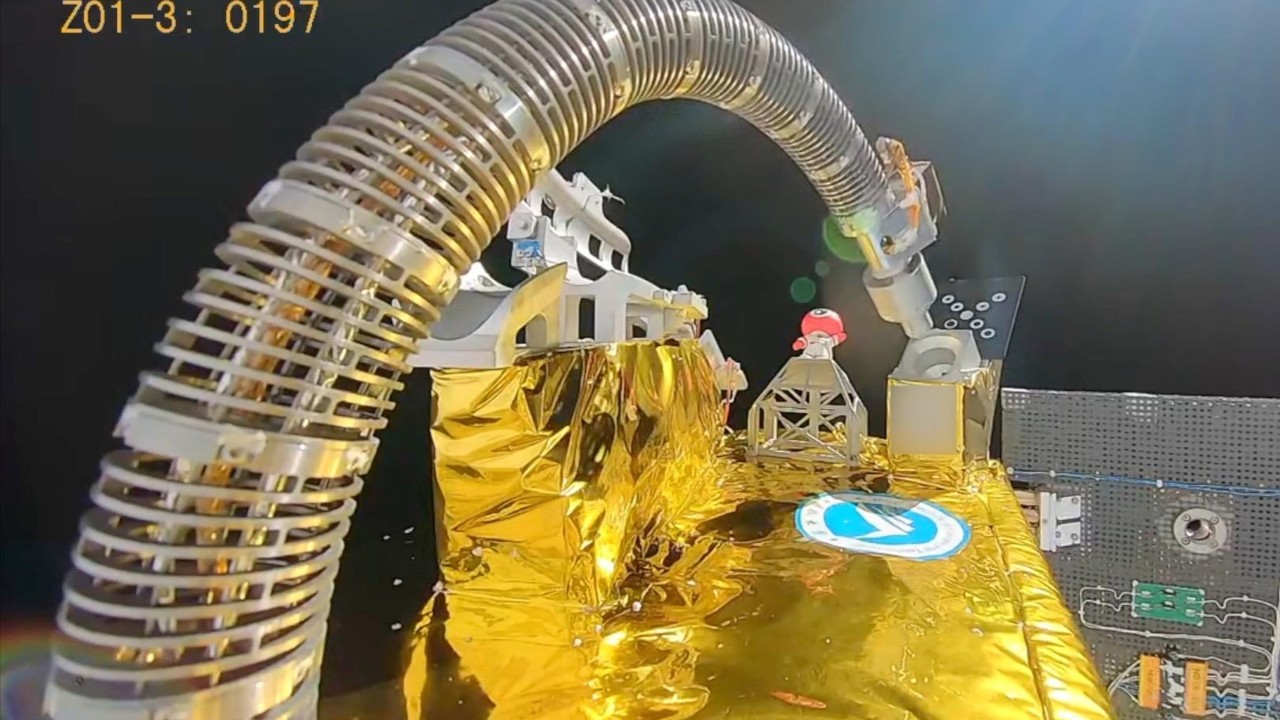
Most existing satellites weren't even designed to be touched. They’re fragile. They have gold-foil insulation that tears like wet tissue paper. Their fuel ports are often tucked away, sealed tight after the initial launch. China’s test utilized a combination of high-precision autonomous docking sensors and a robotic arm system. This isn't just about moving liquid from point A to point B. It’s about the "soft touch" required to manipulate hardware that was never meant to be serviced.
I’ve seen plenty of "firsts" in this industry, but this one feels different. It’s practical. It’s the difference between buying a new car every time you run out of gas and finally discovering the neighborhood gas station.
The Massive Strategic Edge of Infinite Life
Why does this matter to you? Because the country that masters orbital logistics controls the high ground.
When a satellite can live for 20 years instead of five, the economics change. You can spend more on better sensors. You can maneuver more aggressively to avoid debris or move into better vantage points. Normally, satellite operators are stingy with fuel. They treat every gram of hydrazine like liquid gold. They’ll let a satellite stay in a sub-optimal orbit just to save a few months of life.
With refueling, that fear vanishes. China’s demonstration proves they can maintain a "persistent" presence. They can keep their eyes on specific regions longer. They can reposition assets without the death-sentence of a dry tank.
It Is Not Just About the Gas
The fluid transfer is the headline, but the robotics are the real story. To refuel, you need a robotic arm that can handle "non-cooperative" targets. That’s the industry term for satellites that aren't helping you dock.
The Mechanical Challenge
- Thermal management: Transferring volatile fluids in the extreme temperature swings of LEO is a recipe for disaster.
- Pressure equalization: You can’t just "pour" gas in microgravity. You need complex pumping systems that won't create air bubbles or leaks.
- Autonomous Navigation: The lag between Earth and orbit means the final meters of the docking process have to be handled by the onboard AI.
China's Tianyuan system has been iterating on these problems for years. This latest success is the culmination of those smaller, quieter tests. They’ve perfected the "handshake" in the dark.
The Dawn of the Orbital Economy
We’re looking at the start of a true orbital economy. Think about it. If you can refuel, you can also repair. You can upgrade. You can assemble.
NASA and private players like Northrop Grumman with their Mission Extension Vehicles (MEV) have been playing in this sandpit too. But China’s rapid progress shows they’re not just catching up—they’re setting the pace for integrated orbital services. This isn't just "science" for the sake of it. It’s about building a fleet of satellites that never have to come home.
Critics often point out that these technologies are "dual-use." That’s fancy talk for "this could be a weapon." If a robot arm can refuel a friendly satellite, it can certainly pluck the antenna off an enemy one. That’s the reality of modern space. The line between a mechanic and a saboteur is paper-thin. But focusing only on the military aspect ignores the sheer brilliance of the engineering here.
What Happens to All the Old Junk
Space debris is a nightmare. There are thousands of dead satellites spinning aimlessly, threatening the "Kessler Syndrome"—a chain reaction of collisions that could make LEO unusable.
Refueling offers a fix. If we can refuel old satellites, we can give them enough "kick" to de-orbit themselves safely or move them to a graveyard orbit. We can clean up our mess. China’s test proves the tech exists to do more than just add to the clutter. It provides a way to manage it.
What You Should Watch For Next
The next step isn't more tests; it’s standardizing the "gas cap."
Right now, every company has their own proprietary tech. If we want a functional space economy, we need universal docking ports. Imagine if every car had a different shaped gas nozzle. It would be chaos. The real win for the global space community will be when a Chinese tanker can refuel a European weather satellite or an American communications hub.
Don't expect that to happen tomorrow. Geopolitics is a lot messier than orbital mechanics. But the hardware is ready. The fluid moved. The connection held.
Keep an eye on the launch schedules for "service tugs" over the next eighteen months. These are the tow trucks of the future. If you’re looking to invest or stay ahead of the curve, stop looking at the rockets. Start looking at the logistics. The companies and nations that can keep their birds flying long after the "expiration date" are the ones who will dominate the next decade of space.
Start by researching the current standards for On-Orbit Servicing, Assembly, and Manufacturing (OSAM). It’s the niche where the real money is moving. You'll see that China’s landmark test isn't an isolated event—it’s the opening bell for a new era of space endurance.