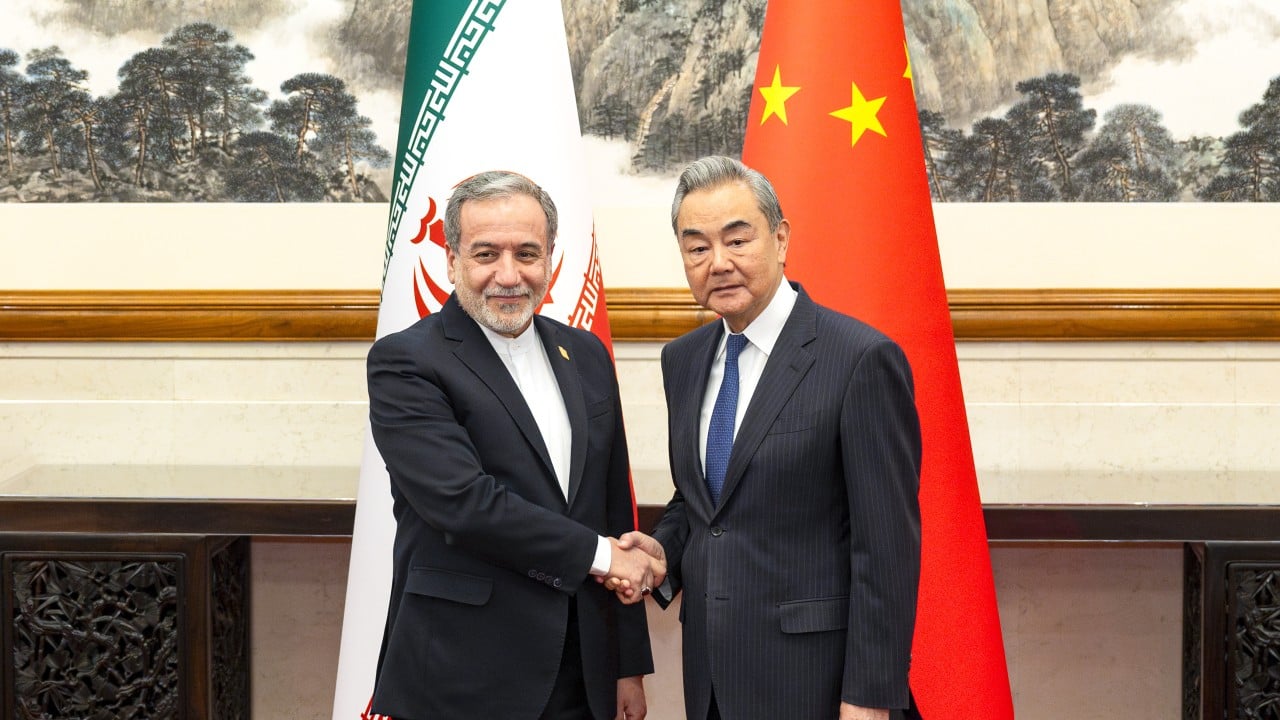
The Persian Gulf is tired of outside interference. That's the loud, clear message coming from the recent meeting between Chinese Foreign Minister Wang Yi and his Iranian counterpart. This isn't just another diplomatic photo op or a dry exchange of pleasantries. We're looking at a fundamental shift in how the Middle East might govern itself. For decades, the region relied on a security architecture built largely by Western powers. Now, China and Iran are advocating for a "regional security framework" that keeps the neighbors in charge and the outsiders at arm's length.
It's a bold move. It challenges the long-standing status quo where the U.S. Navy served as the primary guarantor of maritime safety. If you've been following the tension in the Strait of Hormuz or the shifting alliances in the Arabian Peninsula, you know the stakes. Stability in the Gulf means stability for the global energy market. China, as the world's largest oil importer, has every reason to want a calm backyard in the Middle East. But they want it on their terms—and increasingly, on the terms of the regional players themselves.
The China Iran Partnership is More Than Just Oil
When Wang Yi sat down with Iran's Foreign Minister, they weren't just talking about barrels of crude. They were discussing the 25-year cooperation agreement that links their futures. China sees Iran as a key node in its Belt and Road Initiative. Iran sees China as a vital economic lifeline and a diplomatic heavyweight that doesn't lecture them on internal politics. This relationship provides the bedrock for their joint vision of Gulf security.
This new framework is built on the idea of "regional solutions for regional problems." It’s a direct critique of the Western-led "maximum pressure" campaigns of the past. Instead of sanctions and carrier groups, Beijing and Tehran are pushing for a platform where all Gulf countries—including the Arab states—sit at the table. They’re betting that the shared interest in keeping trade flowing will eventually outweigh old sectarian or political rivalries.
Why This Framework Gains Traction Now
You might wonder why Saudi Arabia or the UAE would even listen to a proposal backed by Tehran. The reality on the ground has changed. After years of unpredictable Western foreign policy, Gulf capitals are hedging their bets. They’ve seen China successfully broker the Saudi-Iran rapprochement in 2023. That wasn't a fluke. It was a proof of concept. Beijing showed it could do something Washington couldn't: act as a neutral arbiter that both sides actually trust.
The proposed security framework isn't an overnight fix. It's a slow burn. It focuses on maritime safety, counter-terrorism, and energy infrastructure protection. These are areas where everyone loses if things go south. By starting with these "low-hanging fruit" issues, China and Iran hope to build the muscle memory of cooperation.
Beijing Strategy of Non Interference
China's pitch is simple. They don't want to replace the U.S. as the regional policeman. They don't want to build a dozen massive bases or get involved in local civil wars. Honestly, they don't have the stomach or the military footprint for it. Instead, they’re offering a role as a facilitator. They provide the investment and the diplomatic space, while the regional powers provide the security.
It’s a clever play. It appeals to the growing desire for sovereignty in Riyadh, Abu Dhabi, and Tehran. They’re all tired of being treated as pieces on a geopolitical chessboard. China talks about "mutual respect" and "sovereign equality." To Western ears, that sounds like a bunch of slogans. To a Middle Eastern leader who feels ignored or condescended to by the West, it sounds like a breath of fresh air.
The Hurdles Standing in the Way
Let's be real. This won't be easy. You can't just erase decades of mistrust with a few high-level meetings. The Arab states of the Gulf still have deep-seated fears about Iranian influence. There's also the question of how this framework handles non-state actors and proxy groups. A framework on paper is one thing. Stopping a drone attack on a tanker is another.
Moreover, the U.S. isn't exactly packing its bags. The Fifth Fleet is still stationed in Bahrain. Hundreds of billions of dollars in American defense contracts still bind the region to Western hardware. China knows this. They aren't looking for a total exit of Western influence—at least not yet. They’re looking to create an alternative. They want to ensure that if the U.S. decides to pivot away from the Middle East again, the region doesn't fall into chaos. Or worse, into a vacuum that China can't control.
What This Means for Global Energy Security
If this framework succeeds, the way we protect global oil transit will change. Currently, the U.S. bears most of the cost and the risk of patrolling these waters. Under a regional framework, that burden shifts. We might see joint patrols between Iranian and Saudi vessels—a concept that seemed impossible five years ago.
This would stabilize prices by reducing the "geopolitical risk premium" that spikes every time a tanker is seized. For you and me, that means more predictable prices at the pump. For the global economy, it means one less flashpoint that could trigger a recession. China’s involvement gives this plan teeth because they are the primary customer. No one wants to upset the person who buys all their product.
Moving Toward a Multipolar Middle East
The era of a single superpower calling the shots in the Gulf is ending. We’re entering a messy, complex, and multipolar reality. China and Iran are simply the first to put a formal name on it. Their support for this framework is a signal to the world that the "East" is ready to lead in the "Middle."
Don't expect a formal treaty signing tomorrow. Expect a series of smaller agreements. Watch for joint naval drills. Keep an eye on the diplomatic visits between Beijing, Riyadh, and Tehran. The real work is happening in the quiet corners of these summits.
The next time you see a headline about Wang Yi meeting a Middle Eastern leader, don't dismiss it as routine diplomacy. It’s a brick in the wall of a new security order. If you're an investor, an energy professional, or just someone who cares about global stability, you need to pay attention to these shifts. The old rules don't apply anymore. The neighbors are taking over the neighborhood, and they've invited China to help them manage the transition. Keep your eyes on the maritime cooperation agreements that come out of these talks. Those are the real indicators of whether this framework has legs or if it’s just more talk.