The coffee shop on a Tuesday morning used to be a place of transit. It was a blur of suits, the rhythmic hiss of espresso machines, and the frantic energy of people who had somewhere important to be. But lately, the rhythm has changed. The suits are gone, replaced by hoodies and quiet stares. The laptops are open, but they aren't open to spreadsheets. They are open to job boards.
Ontario is currently holding a record that nobody wanted. According to the Financial Accountability Office (FAO), the province has recorded the largest increase in the unemployment rate across all of Canada. It is a statistic that sounds clinical when read from a government PDF, but on the ground, it feels heavy. It feels like a door closing.
Let’s look at Marcus. He is a hypothetical composite of the thousands of young professionals currently navigating this shift. At twenty-eight, Marcus did everything "right." He studied tech, interned for free, and landed a role in a mid-sized firm in Kitchener. Six months ago, his Slack access was revoked at 9:02 AM. He hasn't found a steady paycheck since. Marcus isn't a lazy worker or a victim of a bad attitude. He is a data point in a shifting economic tectonic plate.
The Numbers Behind the Noise
The FAO’s report isn't just a suggestion; it’s a ledger of reality. Ontario’s unemployment rate jumped from 5.1 percent to 7.1 percent in just one year. That is a staggering leap for a province that serves as the economic engine of the nation. While the rest of the country feels the pinch, Ontario is feeling a punch.
Why here? Why now?
The answer lies in a perfect storm of high interest rates, a cooling housing market, and an influx of new residents that the labor market simply cannot absorb fast enough. We are witnessing a mismatch. The people are here, ready to work, but the capital has retreated into a defensive shell. Companies that were "hiring aggressively" in 2022 are now "optimizing for efficiency." That is corporate speak for letting people go and asking the survivors to do twice the work for the same pay.
Consider the sheer scale of the labor force growth. Ontario’s population is expanding at a rate that would make a demographer’s head spin. On paper, more people should mean more growth. In reality, when the infrastructure—housing, transit, and business investment—doesn't keep pace, you end up with a surplus of talent and a deficit of opportunity.
The Hidden Cost of the "Wait and See"
Business owners are paralyzed. I spoke with a small business owner in Hamilton who told me he has three open positions he desperately needs to fill to grow. He won't post them.
"I’m waiting," he said, staring at his ledger. "If the Bank of Canada drops the rate again, I’ll hire. If they don't, I might have to sell the truck."
This is the "wait and see" economy. It is a state of suspended animation where everyone is holding their breath, waiting for a signal that it’s safe to move again. But while the giants wait for signals, the individuals—the Marcuses of the world—are watching their savings evaporate.
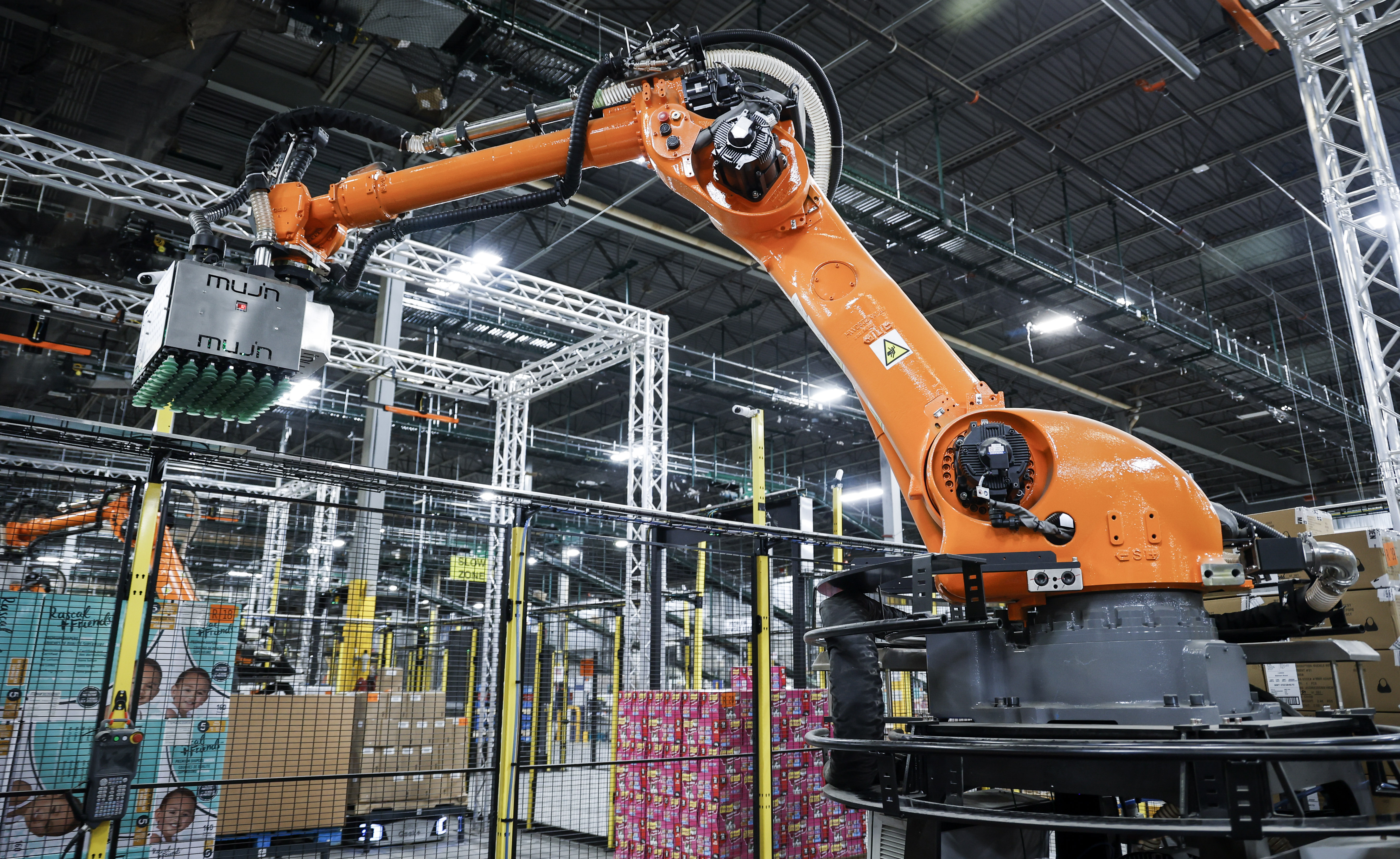
The FAO report highlights that the manufacturing sector, once the bedrock of the provincial economy, is taking a significant hit. We are moving away from building things and toward a service-based economy that is inherently more volatile. When people feel broke, they stop buying lattes. They stop going to the movies. They stop hiring landscapers. The ripple effect starts at the factory gate and ends at the kitchen table.
The Youth Trap
The most heartbreaking segment of this data involves the young. Youth unemployment in Ontario has spiked to levels that should be triggering alarms in every hallway of Queen’s Park. For those aged 15 to 24, the rate is hovering near 15 percent.
Imagine graduating into a world that tells you that you are surplus to requirements. It changes a person. It creates a "scarring effect" where a slow start in the workforce leads to lower lifetime earnings and a permanent sense of precariousness. It isn’t just about the money lost today; it’s about the houses that won't be bought in ten years and the families that won't be started because the foundation was made of sand.
Metaphorically speaking, we are trying to run a high-performance engine on half the cylinders. We have the talent, the education, and the desire. We just lack the spark of investment.
A Different Kind of Crisis
This isn't the 2008 crash. It isn't the 2020 lockdown. This is a slow, grinding erosion. It is the sound of a thousand small decisions to "hold off for now."
The FAO points out that while job creation has happened, it has been almost entirely in the public sector. The private sector—the part of the economy that actually generates new wealth rather than just redistributing it—has gone quiet. This is unsustainable. You cannot run a province on government hiring alone while the engines of industry are idling in the driveway.
The stakes are invisible until they aren't. They are invisible until you see the "For Lease" signs on storefronts that have been there for thirty years. They are invisible until you realize your neighbor has been "consulting" for a year but hasn't actually had a client.
The Path Through the Thicket
There is no magic wand. Lowering interest rates will help, but it won't fix the underlying structural issues. We need to bridge the gap between the skills people have and the jobs the future requires. We need to make it less terrifying for a small business to take a chance on a new hire.
But more than that, we need to acknowledge the human weight of that 7.1 percent. It is easy to get lost in the "year-over-year" comparisons and the "basis point" discussions. We forget that every decimal point represents thousands of people who are currently wondering how they are going to pay their property taxes this fall.
The concrete is cracking. We can keep walking over the fissures and pretending they aren't there, or we can start pouring a new foundation.
Marcus eventually stopped going to the coffee shop. He couldn't justify the five dollars for a dark roast anymore. Now, he makes his coffee at home in a chipped mug, sitting at a kitchen table covered in printed resumes, watching the streetcar go by, waiting for the world to start moving again. He is still waiting.