In the quiet, air-conditioned corridors of Hong Kong’s government offices, there is a sound that rarely makes it to the street. It is the sound of a name being erased. It isn't loud. It is the soft click of a computer file being archived or the dry slide of a security pass being surrendered at a mahogany desk. For decades, a job in the civil service was known as the "Golden Rice Bowl." It was a promise of absolute stability, a lifetime of steady increments, and a retirement spent in comfortable dignity. But lately, the bowl is chipping.
Between 2021 and 2024, the government quietly showed the door to 151 civil servants. These weren't just voluntary resignations or the usual churn of people moving to the private sector. These were dismissals. Stripped of their benefits. Removed for misconduct or criminal convictions. To a casual observer, 151 people out of a workforce of over 170,000 might seem like a rounding error. It isn't. When the machinery of a city as precise as Hong Kong starts ejecting its own parts at this rate, something fundamental has shifted in the relationship between the state and the individual.
The stakes are invisible until they aren't.
The Weight of the Badge
Consider a hypothetical officer—let’s call him Mr. Lam. For fifteen years, Lam arrives at his office at 8:45 AM. He knows exactly how much he will earn in five years. He knows his pension is a fortress. In exchange, he offers the state his neutrality, his discretion, and his obedience. This is the social contract of the bureaucracy. The city functions because thousands of Lams believe that the rules are more important than their personal whims.
When that contract breaks, the ripples move fast. Of those 151 individuals removed over the last three fiscal years, the reasons vary from the mundane to the severe. Some were caught in the web of criminal convictions—thefts, frauds, or offenses that made their continued presence in a position of public trust untenable. Others fell victim to the "public interest" clause, a mechanism that allows the government to retire an officer if their performance or conduct simply no longer aligns with the high standards required of the service.
The numbers tell a story of tightening grip. In the 2023-24 financial year alone, 51 people were dismissed. This isn't a spike caused by a single event; it is a steady, deliberate pulse. The Secretary for Civil Service, Ingrid Yeung, has made it clear that the era of "permanent" meaning "untouchable" is over. The government is no longer willing to carry the weight of those who do not pull theirs.
A Culture of Zero Tolerance
It used to be that a civil servant could hide in the middle. If you didn't do anything spectacularly wrong, you were safe. That safety net is being dismantled. The Civil Service Bureau has streamlined its disciplinary procedures, making it easier to initiate investigations and faster to reach a verdict.
What does this look like on the ground? It looks like a supervisor no longer looking the other way when a subordinate is consistently absent without leave. It looks like the swift suspension of officers facing legal proceedings. During the last three years, over 500 people were issued "formal punishments" for serious misconduct. Dismissal is merely the final, most drastic step in a much larger disciplinary ecosystem.
The psychological impact on the remaining 170,000 is profound. The "Golden Rice Bowl" is becoming a performance-based contract. While the government argues this strengthens the quality of governance, for the person sitting in the cubicle, the atmosphere has changed. The air is thinner. The margin for error has shrunk to almost nothing.
The Cost of a Conviction
Money is the most honest metric of these stakes. When a civil servant is dismissed following a criminal conviction, they don't just lose their salary. They lose their "gratuity"—the accumulated wealth of years of service. For a mid-to-senior level officer, this can represent millions of Hong Kong dollars. It is a financial execution.
Imagine the tension in a disciplinary hearing. The room is likely sterile, filled with the smell of floor wax and old paper. On one side, a panel representing the authority of the administration. On the other, a person whose entire middle-class life is about to evaporate. The argument isn't just about whether a rule was broken; it's about whether that person still "belongs" to the collective identity of the city’s administration.
This rigorous purging isn't happening in a vacuum. It aligns with a broader push for "patriots administering Hong Kong," though the dismissals themselves often stem from more traditional failures: neglect of duty, bringing the service into disrepute, or outright law-breaking. The message is singular: the privilege of the position is inseparable from the burden of the behavior.
Beyond the Numbers
Why should the average citizen care if 151 bureaucrats lost their jobs?
Because the quality of a city is determined by the people who process the permits, manage the hospitals, and keep the water running. If the civil service becomes a place where only the most fearful survive, innovation dies. But if it remains a place where the incompetent are protected, the city rots from the inside.
The government is walking a razor-thin line. By purging the 151, they are attempting to signal to the public that the "Golden Rice Bowl" is earned, not given. They are trying to restore a sense of prestige that many felt had been diluted. However, the sheer volume of disciplinary actions—nearly 2,000 "summary punishments" for minor misconduct in the same period—suggests a workforce under intense scrutiny.
The bureaucracy is no longer a slow-moving river; it is a pressurized pipe.
The Invisible Stakes
Behind every one of those 151 data points is a story of a collapsed career. There is the family that suddenly loses a stable income. There is the social circle that hears of the "misconduct" and slowly drifts away. There is the individual who spent twenty years learning how to navigate a specific government department, only to find those skills are virtually useless in the private sector once the "dismissed" label is attached to their name.
The government’s stance is unapologetic. They point to the fact that over 60% of those facing disciplinary action for serious misconduct were eventually removed from the service. The message is that the system works. The bad apples are being picked out before they can spoil the barrel.
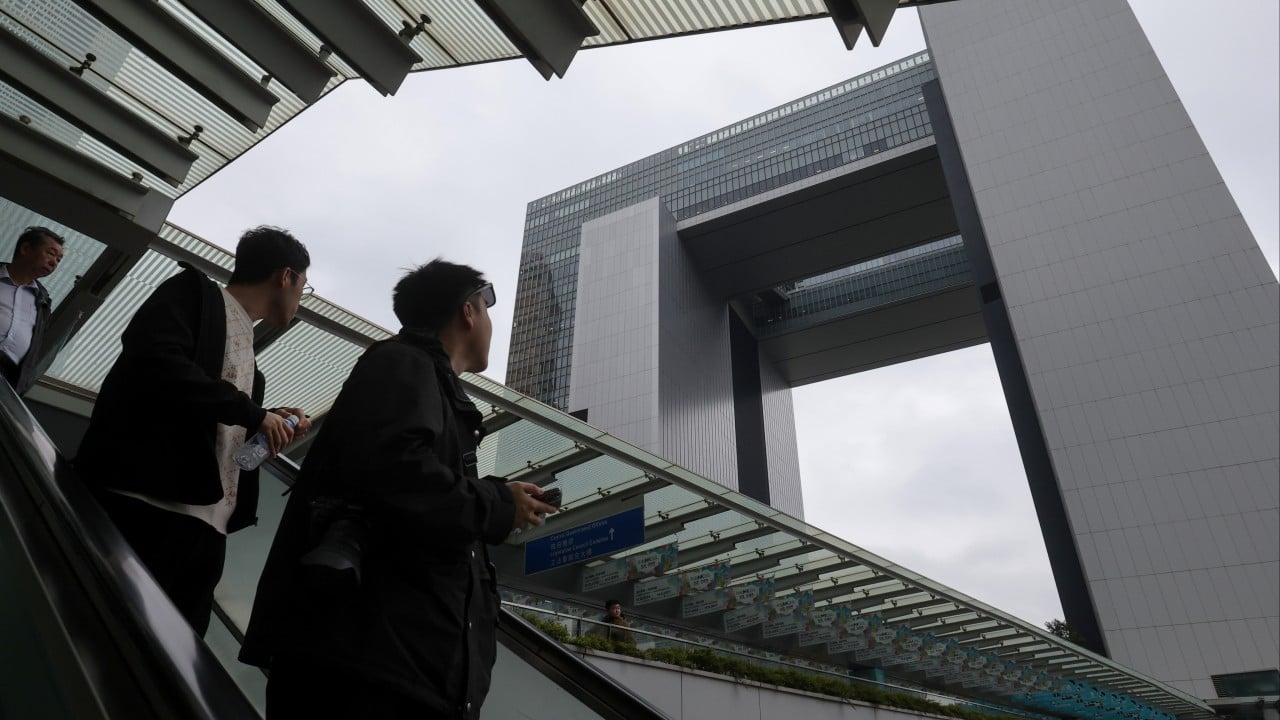
But as the sun sets over the Government Headquarters in Admiralty, the lights stay on late into the night. It isn't just work being done; it is the constant, restless monitoring of a system trying to perfect itself. The "Golden Rice Bowl" is still there, resting on the table, but everyone in the room now knows exactly how easily it can shatter.
The silence in the corridors isn't just about professional decorum anymore. It is the silence of a thousand people watching their step, aware that the floor beneath them is no longer made of solid stone, but of a glass that records every crack.