Developing nations are finally tired of being the only ones bleeding when a financial wound opens. For decades, the global debt architecture has functioned like a lopsided casino where the house—comprising the International Monetary Fund (IMF), the Paris Club, and private Wall Street bondholders—always wins, even when the borrower goes bust. The recent launch of a unified platform by sovereign borrowers marks a desperate, overdue attempt to break this cycle. By coordinating their bargaining power, these nations intend to force a rewrite of the restructuring rules that have historically favored creditor profits over human survival.
This isn't just about getting a better interest rate. It is a fundamental shift in the power dynamics of global macroeconomics. When a country like Zambia or Sri Lanka defaults, they aren't just negotiating with one bank. They are facing a fragmented, often predatory wall of private creditors and secretive state actors like China, all of whom have spent years playing a game of "wait and see" while the borrower’s economy collapses. This new platform seeks to end that isolation.
The Architect of Despair
The current system relies on a divide-and-conquer strategy. When a sovereign nation enters debt distress, it is forced to negotiate in a vacuum. The IMF dictates the terms of austerity, the Paris Club (the wealthy creditor nations) demands its pound of flesh, and the private bondholders hide behind "inter-creditor equity" clauses to ensure they don't lose a cent more than the government.
This fragmentation is a feature, not a bug. By keeping borrowers separate, creditors ensure that no single nation can set a precedent that might hurt the broader portfolio. If Ghana secures a significant "haircut"—a reduction in the actual principal owed—every other struggling nation will want one. To prevent this, creditors often drag out negotiations for years. While lawyers in London and New York bill $1,200 an hour to argue over comma placement in a bond indenture, children in the borrowing country lose access to basic medicine because the national budget is frozen.
The new platform changes the math. By sharing data, legal strategies, and negotiating tactics, sovereign borrowers are attempting to form a "debtors' union." If five or ten nations agree on a minimum standard for debt relief, the creditors lose their ability to play one against the other.
The China Factor and the Transparency Myth
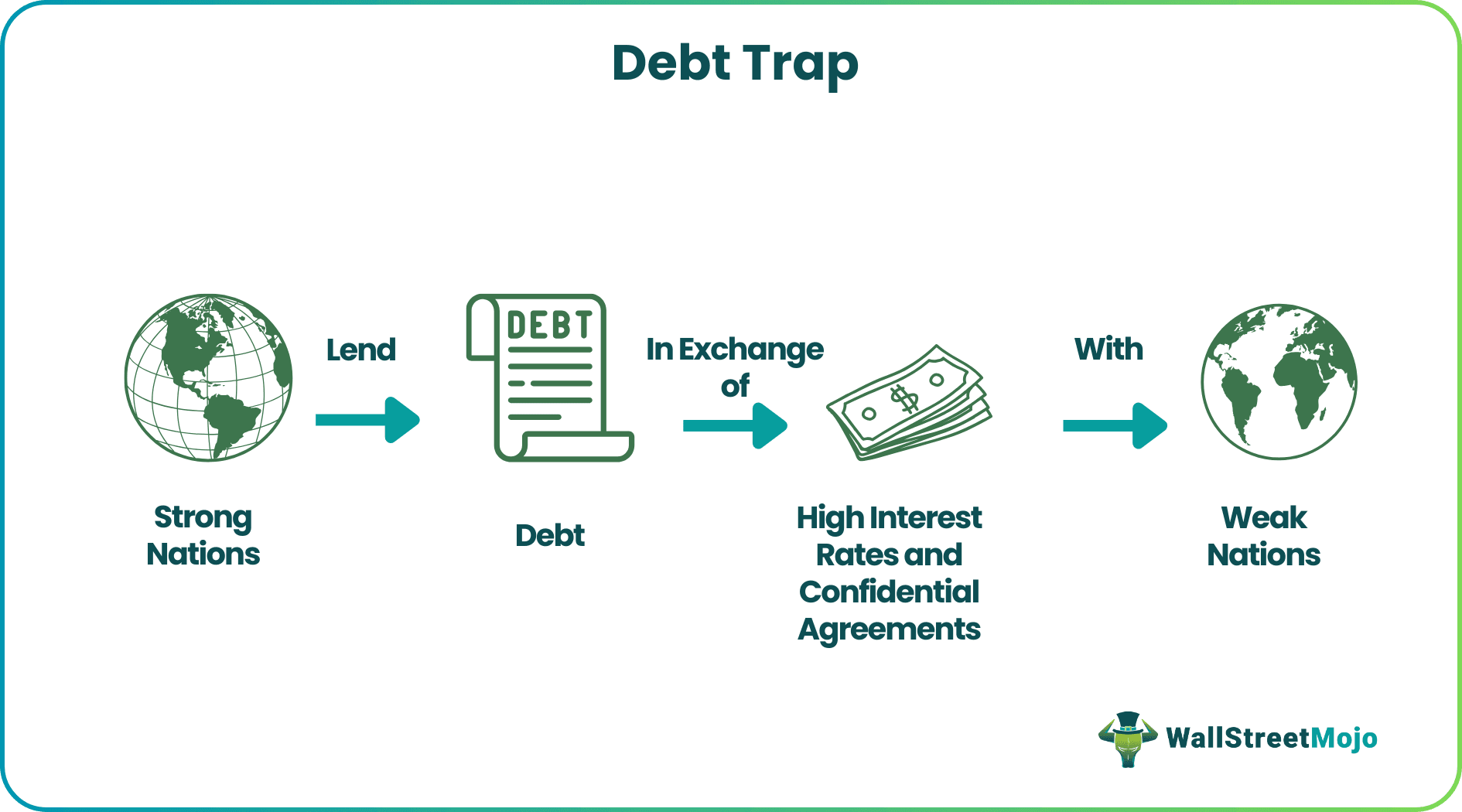
One cannot analyze modern debt without looking at Beijing. For years, the narrative pushed by Western institutions was that "debt-trap diplomacy" by China was the primary hurdle to restructuring. The reality is more nuanced and, in many ways, more frustrating.
China’s lending is often collateralized and shrouded in non-disclosure agreements. This drives Western private creditors crazy because they don't know where they sit in the hierarchy of payment. However, the private sector is hardly a saintly observer. Private bondholders often hold out the longest, hoping for a taxpayer-funded bailout that allows them to exit at par.
The sovereign platform aims to shine a light on both sides. By standardizing the disclosure of debt terms, the borrowers can effectively call everyone’s bluff. If the creditors know that the borrower is sharing the details of every loan with a collective of other nations, the advantage of secrecy evaporates. Transparency is usually marketed as a tool for creditors to judge risk, but here, the borrowers are using it as a weapon to expose the predatory nature of the contracts they were forced to sign.
Why the Common Framework Failed
The G20's Common Framework was supposed to be the solution. It was launched with great fanfare to bring China and private creditors into a single room. It has been an objective disaster.
The process is glacial. Ethiopia applied for debt relief under the framework years ago and watched its credit rating crater while the "framework" did effectively nothing. The problem is that the Common Framework has no enforcement mechanism. It relies on the "good faith" of creditors who have a fiduciary duty to their shareholders to extract as much money as possible from a dying economy.
Sovereign borrowers have realized that waiting for the G20 to fix the system is a suicide pact. The new platform is an admission that the existing global financial architecture is no longer fit for purpose. It is a DIY approach to international law. By creating their own set of rules and "best practices" for restructuring, these nations are attempting to bypass the sluggishness of the IMF-led process.
The Risk of the Pariah Label
There is a reason this hasn't happened sooner. The fear of the "pariah label" is a powerful deterrent. If a group of nations stands up and demands a 50% haircut on their debt, the immediate threat is that they will be locked out of capital markets for a generation.
But that threat is losing its teeth. Many of these countries are already locked out. When your inflation is at 50%, your currency has lost half its value, and you can't afford to keep the lights on, the threat of "no future credit" feels like a secondary concern. The math has changed. The cost of remaining in the current system has finally exceeded the perceived cost of rebelling against it.
The Legal Battlefield of New York and London
Most sovereign debt is governed by the laws of New York or England. This gives an incredible amount of power to a handful of judges and a specific set of legal precedents. Private creditors, particularly "vulture funds" that buy distressed debt for pennies on the dollar, use these courts to sue for full repayment, often successfully.
The sovereign platform is looking closely at legislative fixes in these jurisdictions. If the borrowers can lobby for changes in New York state law that limit the ability of holdout creditors to block a deal, the entire landscape changes. We are seeing a shift from pure financial negotiation to a sophisticated legal and political insurgency.
The Moral Hazard Argument is Dead
Critics will inevitably cry "moral hazard." They will argue that if you make it easier for countries to restructure debt, you encourage reckless spending. This argument is intellectually bankrupt in 2026.
The vast majority of the current debt crisis in the Global South was triggered by external shocks: a global pandemic, a spike in grain prices due to distant wars, and a rapid rise in US interest rates that sucked capital out of emerging markets. These nations didn't spend the money on gold-plated Ferraris; they spent it trying to keep their citizens from starving during a global shutdown.
When the "hazard" is caused by the systemic volatility of the global reserve currency, blaming the borrower is a convenient lie. The sovereign platform is the first real attempt to distribute that risk more equitably between those who lend the money and those who use it.
The Strategy of Collective Refusal
If the platform moves from "sharing information" to "collective bargaining," we enter uncharted waters. Imagine a scenario where three African nations and two Latin American nations refuse to sign any deal that doesn't include a climate-resiliency clause—a provision that pauses debt payments if a natural disaster hits.
Currently, such clauses are rare and hard to negotiate. If a block of borrowers demands them as a standard requirement for any new bond issuance, the market will have no choice but to price it in. This is the "unionization" of the Third World. It is a move to commoditize the one thing these countries have: their collective debt. As the old saying goes, if you owe the bank $100, that’s your problem; if you owe the bank $100 million, that’s the bank’s problem. If a dozen countries owe the world’s banks $1 trillion, it’s everyone’s problem.
Breaking the Austerity Loop
The endgame for this platform is the total rejection of the "Austerity for Debt" loop. For fifty years, the IMF playbook has been simple: cut social spending, remove fuel subsidies, and privatize state assets to ensure there is enough cash to pay back the bondholders.
This has led to a "lost decade" in multiple regions, where economic growth is sacrificed at the altar of debt service. The sovereign platform is a signal that the political tolerance for this trade-off has reached zero. Leaders in these countries realize that they are more likely to be overthrown by an angry, starving populace than by a group of disgruntled bankers in Manhattan.
The focus is shifting toward "sustainable" debt levels—not sustainable for the creditor’s balance sheet, but sustainable for the country’s growth. If the platform succeeds, we will see the rise of "contingent" debt instruments where repayments are tied to GDP growth or commodity prices. It turns the creditor into a partner in the country’s success rather than a parasite on its failure.
The Next Phase of Conflict
Expect the counter-offensive to be brutal. Ratings agencies will likely downgrade any country that joins this platform, labeling it as a "hostile" act. Major banks will warn of "systemic instability." There may even be attempts by wealthy nations to tie development aid to a country’s refusal to participate in the collective.
But the momentum is currently with the borrowers. The sheer volume of debt currently in distress means that the old ways of handling defaults—one by one, behind closed doors—are physically impossible to sustain. There aren't enough lawyers or IMF staffers to handle the coming wave of restructuring if it continues in the old format.
The sovereign platform is not just a new tool; it is a declaration of independence from a financial system that has viewed the Global South as a source of interest income rather than a collection of functioning societies. The success of this initiative will be measured not by the meetings they hold, but by the first time a major creditor is forced to accept a deal they didn't write themselves.
Stop looking for the system to fix itself from the top down. The creditors will never volunteer to lose money. The only way the global debt architecture changes is if the people holding the bills decide, together, that they are no longer willing to pay the price of their own destruction.