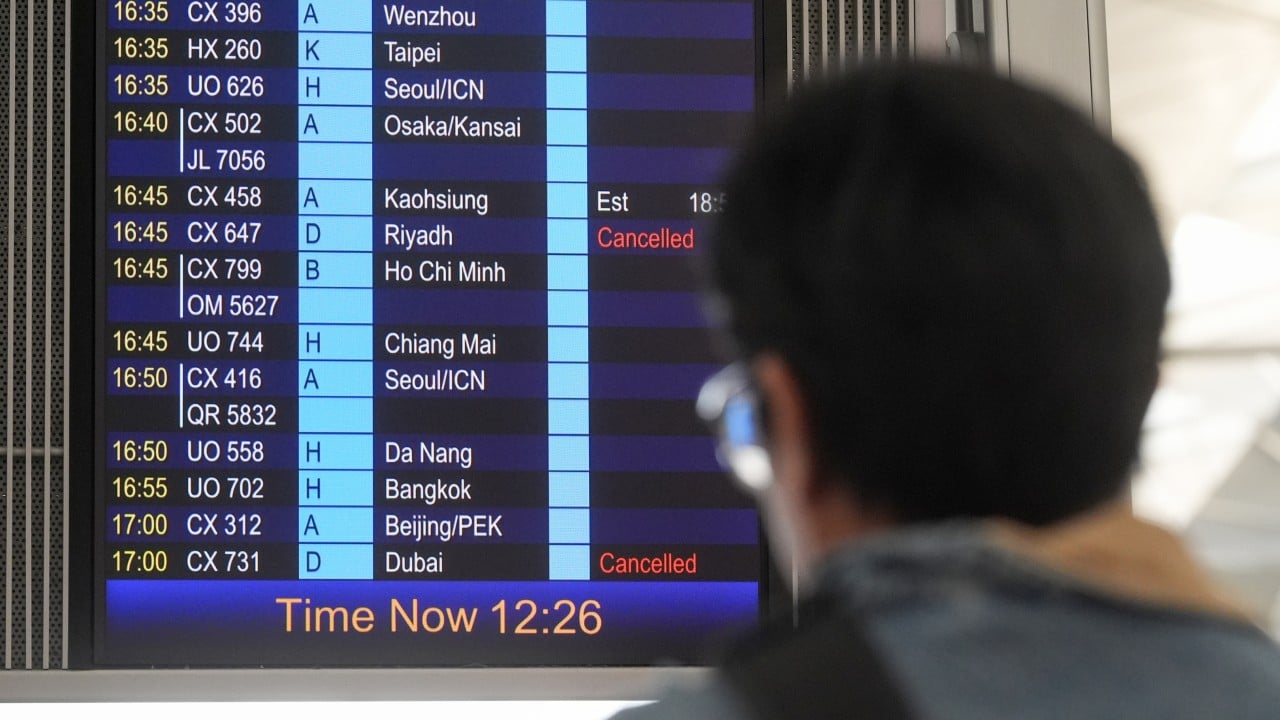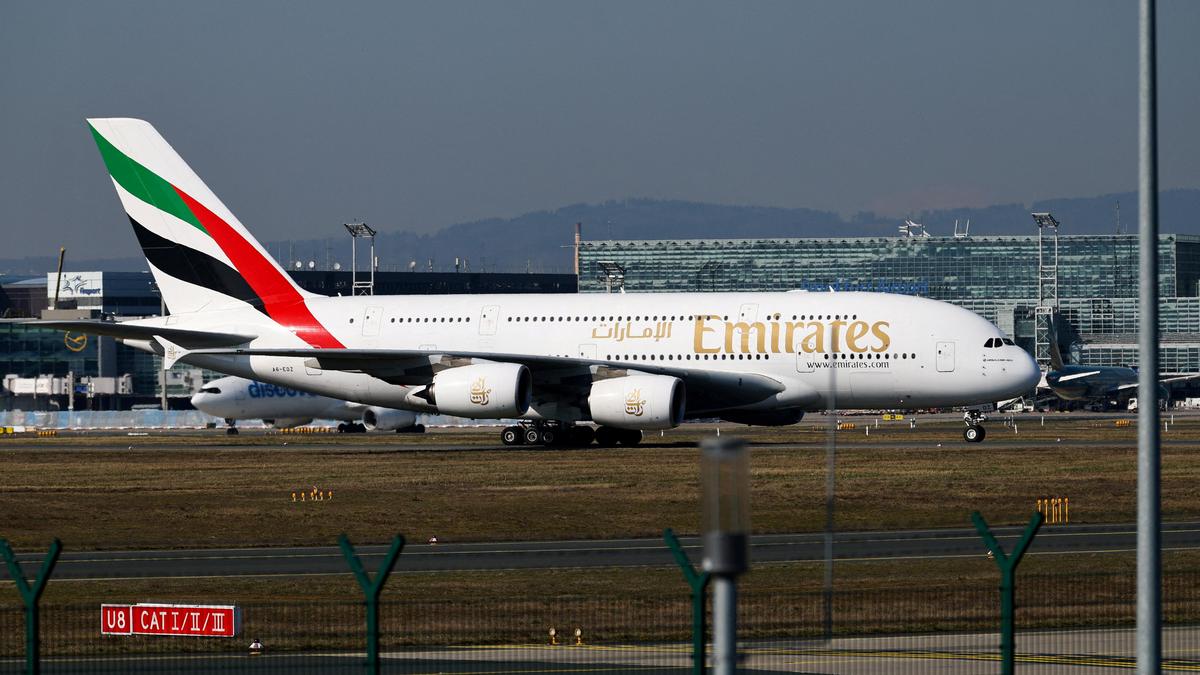
If you’ve been glued to flight trackers or stranded in a terminal over the last week, you know the chaos. The headlines are finally shifting: Emirates is bringing the planes back out. But don’t let the "resumption" news fool you into thinking the skies are back to normal. The airline is currently walking a tightrope between a massive passenger backlog and an unpredictable war zone.
On Saturday, March 7, 2026, Emirates confirmed it's restarting operations in earnest. This isn't just a couple of "special" flights anymore. The carrier plans to hit 60% of its network by the end of the day, including 22 daily flights to India and 11 to the UK. It sounds like a victory for the Dubai hub, but the reality on the ground is a lot more technical and a lot more tense.
The Dubai Hub is Back But With Strings Attached
Dubai International (DXB) isn't just another airport; it's the lung of global travel. When it stopped breathing on February 28, 2026, after the US-Israel strikes on Iran, the ripple effects hit everywhere from London to Sydney. Now that Emirates is restarting, they aren't just opening the gates for everyone. They’re being very picky about who gets on a plane.
If you have a confirmed booking for a flight departing this afternoon, you can head to the airport. If you're transiting, you’re only allowed through if your connecting flight is also green-lit. This is a massive "if." Earlier today, a missile scare briefly halted landings again, with FlightRadar24 showing planes holding over Dubai for hours. The airline is essentially playing a game of musical chairs with airspace corridors.
Why Resuming Flights Doesn't Mean the War is Over
You might think Emirates restarting means the "West Asia conflict" is cooling off. It isn't. In fact, the logistics are getting harder. Brent crude is screaming past $90 a barrel. Jet fuel prices in Singapore are hitting records.
Here’s what the carrier is actually doing:
- Corridor Hugging: Pilots are sticking to narrow, "safe" air corridors.
- Fuel Hedging: While some airlines are getting crushed by $225-a-barrel fuel, Emirates is leaning on its massive scale to absorb the blow—for now.
- Selective Routes: Notice that Qatar’s airspace remains shut. This means flights from Dubai are taking massive detours, burning more fuel, and making "four-hour" flights feel like a marathon.
If you're flying, don't expect the usual smooth experience. Many airlines, including IndiGo and Air India, are prioritizing repatriation over profit. They’re flying empty planes into the Gulf just to bring people home. Emirates is trying to balance both, which is why your "resumed" flight might still face a six-hour delay at the gate while they wait for a safe window over the Gulf.
The Cost of Staying Airborne
Let's talk about the money. Even if your flight is "on," your next one will be expensive. War-risk insurance premiums for narrow-body aircraft have jumped by nearly ₹40 lakh ($48,000) per return trip. For wide-body planes like the Emirates A380, that cost can spike by over $100,000 per journey.
Airlines aren't charities. They’re going to pass those costs to you. We’re already seeing one-way tickets from Europe to India hitting $4,000. While Emirates is offering refunds and free rebooking for travel through April 30, the price of new tickets is basically whatever the airline wants to charge to cover their insane insurance bills.
What You Need to Do Right Now
Don’t just show up at Terminal 3 because you saw a news alert. Here is the move:
- Check Your Specific Flight Number: "Partial resumption" means your flight might be the 40% that is still cancelled.
- Update Contact Info: Emirates is using SMS and email to push "Go/No-Go" alerts. If they don't have your current number, you’re flying blind.
- Verify Transit Status: If you're flying London-Dubai-Mumbai, and the Mumbai leg is cancelled, they won't even let you board in London.
- Prepare for Diversions: Carry extra meds and a change of clothes in your carry-on. If a missile threat closes the corridor while you're mid-air, you might end up in Muscat or Riyadh for 24 hours.
The "West Asia conflict" has turned the world’s busiest transit hub into a tactical operations center. Emirates is doing its best to get the gears turning, but as long as debris is falling in the region, your travel plans are only as good as the next hour’s safety report. Check the Emirates "Manage Your Booking" page before you even think about calling an Uber to the airport.