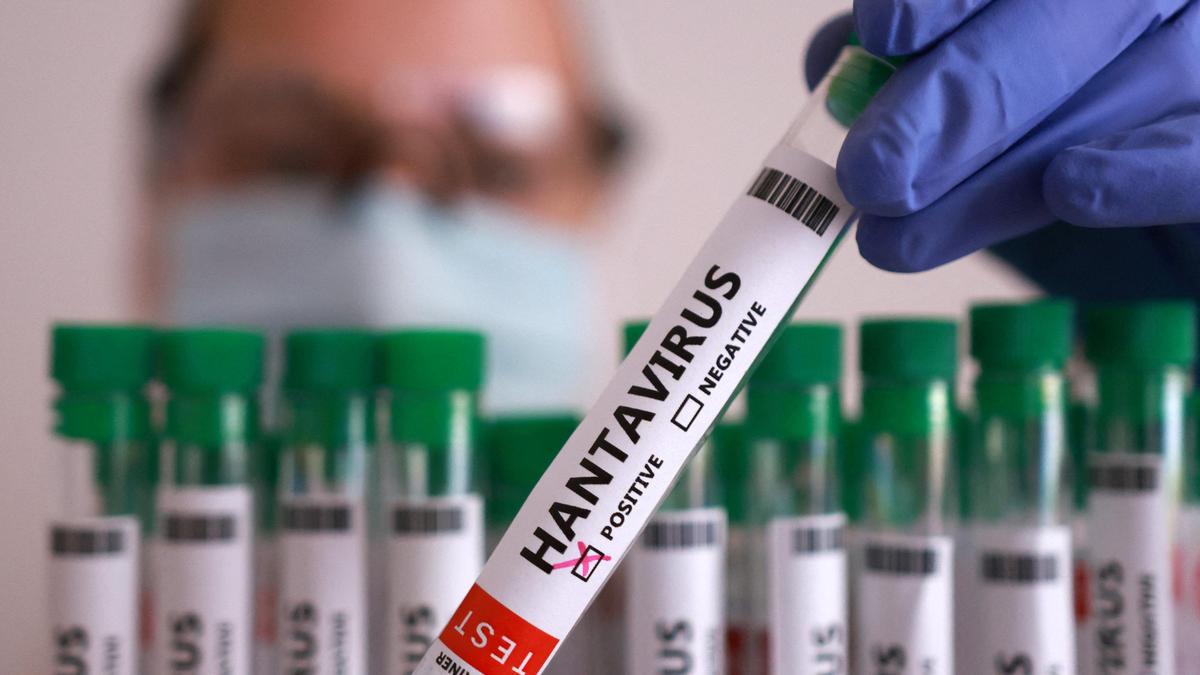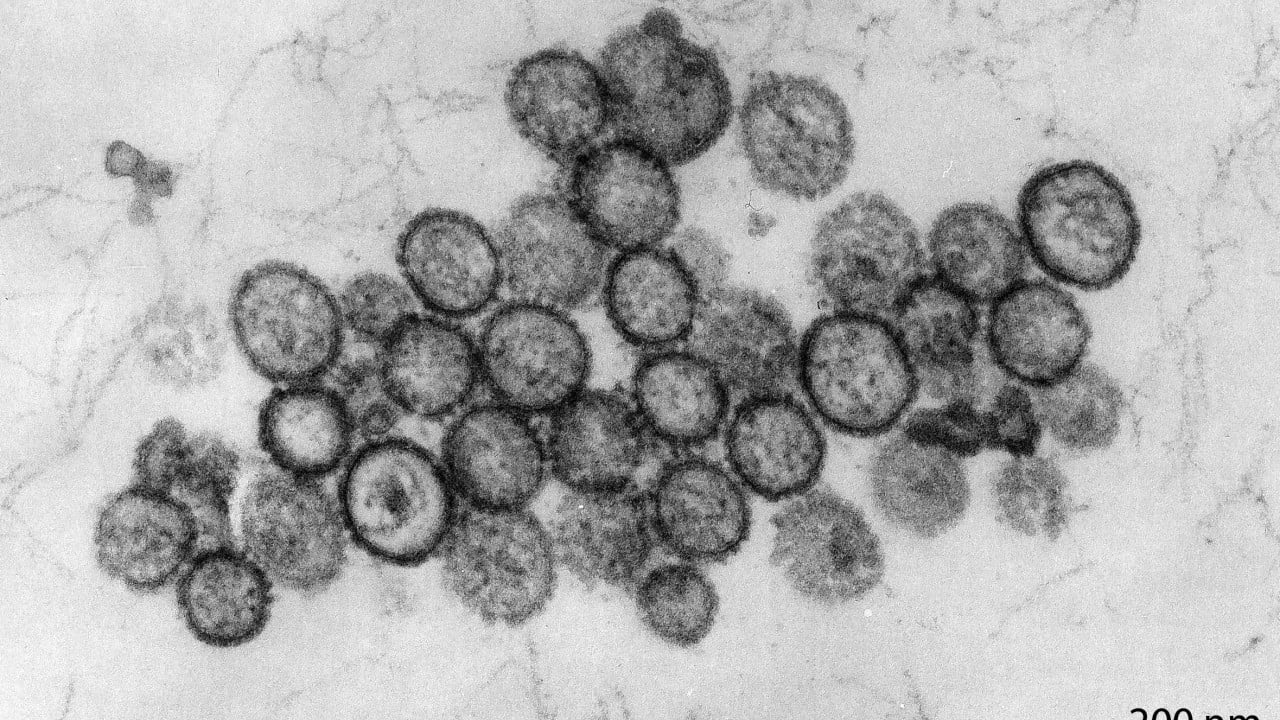
The detection of Hantavirus on a cruise ship—a closed-loop, high-density environment—represents a failure of multi-nodal biosecurity that threatens the stability of international maritime commerce. While traditional reporting focuses on the immediate anxiety of passengers or the bureaucratic back-and-forth between the Hong Kong Center for Health Protection (CHP) and the World Health Organization (WHO), a rigorous analysis reveals a more complex systemic vulnerability. The crisis is not merely a medical event; it is a breakdown in the Integrated Pest Management (IPM) and Bio-containment protocols that govern the global cruise industry.
Hong Kong’s demand for granular data from the WHO serves as a proxy for a larger requirement: the need for a standardized, transparent reporting mechanism for zoonotic pathogens in international waters. The incident exposes three distinct structural deficits in current maritime health frameworks:
- Vector Infiltration Dynamics: The failure of physical barriers between the port-side supply chain and shipboard environments.
- Information Asymmetry: The lag between clinical diagnosis at sea and notification of destination ports.
- Cross-Jurisdictional Regulatory Gaps: The friction between sovereign health requirements and the WHO’s International Health Regulations (IHR).
The Bio-Mechanical Chain of Hantavirus Transmission
To understand the risk, one must move beyond the "rat-to-human" simplification. Hantaviruses are primarily transmitted via the aerosolization of excreta from infected rodents (family Muridae). In the context of a cruise ship, the ship's Heating, Ventilation, and Air Conditioning (HVAC) system acts as a force multiplier for viral distribution.
http://googleusercontent.com/image_content/184
The transmission risk is a function of:
$$R = (V \times D \times E) / C$$
Where:
- $V$ (Vector Density): The number of rodents present in cargo or maintenance areas.
- $D$ (Dispersal Factor): The efficiency of the ship’s airflow in moving particles from sub-deck storage to passenger cabins.
- $E$ (Exposure Time): The duration of the voyage.
- $C$ (Containment Efficacy): The strength of the ship's medical isolation and sanitation protocols.
If $R$ exceeds a critical threshold, a localized incident becomes a public health emergency. The primary concern for Hong Kong authorities is whether the infection originated from the ship’s permanent rodent population—indicative of a long-term maintenance failure—or was introduced via recent provisioning at a specific port of call.
The Port of Call Supply Chain Vulnerability
Cruise ships are mobile cities that require constant caloric and material inputs. Each replenishment event is a high-risk interface where local rodent populations can bridge into the ship's ecosystem. The competitor narrative fails to address the Critical Control Points (CCPs) in maritime logistics.
The Loading Dock Bottleneck
Standard containers are often inspected for contraband or customs compliance, but biological screening for rodent nesting is rarely performed with the necessary rigor. A single pregnant female rodent or a contaminated pallet of dry goods can seed a population in the ship's interstitial spaces—the voids between bulkheads where wiring and plumbing reside. These areas are inaccessible to standard cleaning crews and provide an ideal thermal environment for rodent nesting.
The HVAC Distribution Network
Once viral particles are shed in these interstitial spaces, the ship’s forced-air system can draw contaminated dust into the main ventilation trunks. Unlike modern hospitals, which utilize HEPA filtration and Laminar Flow in high-risk zones, cruise ship ventilation is designed for comfort and energy efficiency, often recycling a percentage of internal air to reduce the load on cooling compressors. This recycling creates a feedback loop for aerosolized pathogens.
Quantifying the Information Lag
The friction between Hong Kong and the WHO stems from the Latency of Reporting. In a data-driven health strategy, time-to-notification is the most critical variable in preventing a terrestrial outbreak upon docking.
The current workflow suffers from several "Loss of Signal" events:
- Symptom Onset to Clinical Presentation: Hantavirus has an incubation period of 1 to 8 weeks. A passenger might be infected at the start of a voyage but not show symptoms until they have already disembarked in a dense urban center like Hong Kong.
- Onboard Diagnostics Limitation: Most cruise ship medical facilities are equipped for stabilization and basic pathology. Confirmatory testing for Hantavirus often requires Reverse Transcription Polymerase Chain Reaction (RT-PCR) or Immunofluorescence assays, which are typically performed at shore-based reference laboratories.
- The WHO Intermediary: Under IHR (2005), ships report to their flag state or the next port of call. However, the WHO acts as a clearinghouse that often prioritizes diplomatic verification over real-time data streaming.
This creates a "blind spot" where Hong Kong’s CHP is forced to make quarantine decisions based on incomplete epidemiological snapshots.
The Economic Cost of Bio-Security Failure
The demand for "more details" is a risk-mitigation strategy to avoid the massive economic displacement caused by unnecessary vessel impoundment. For a major maritime hub, the cost of a Hantavirus outbreak is not just medical; it is a Systemic Logistics Tax.
- Demurrage and Detention: Every hour a ship is held at anchor for health clearance, thousands of dollars in port fees and lost operational time accrue.
- Labor Force Contagion: If port workers (stevedores, pilots) are exposed, the entire terminal's throughput is compromised.
- Consumer Sentiment Erosion: The cruise industry relies on the perception of a controlled, premium environment. Recurring biological breaches lead to a "risk premium" being added to tickets, reducing overall market demand.
Structural Recommendations for Maritime Health Sovereignty
Hong Kong’s aggressive stance should be viewed as a blueprint for other port cities. Relying on the WHO’s centralized reporting is no longer sufficient in an era of rapid zoonotic spillover. A more resilient strategy involves three specific tactical shifts:
Implementation of Passive Bio-Sensing
Ships should be required to install continuous environmental DNA (eDNA) monitoring in cargo holds and HVAC trunks. These sensors can detect the presence of rodent DNA or specific viral markers in the air before a human infection occurs. This shifts the strategy from Reactive Treatment to Proactive Exclusion.
Mandatory Digitization of Pest Control Logs
Paper-based logs are easily falsified or incompletely maintained. Port authorities should demand access to a blockchain-verified digital ledger of a ship’s IPM activities, including thermal imaging scans of palletized goods and sensor data from automated traps.
Pre-Arrival Risk Profiling
Hong Kong should deploy an algorithmic risk-scoring system for incoming vessels. Ships arriving from regions with known Hantavirus endemicity (such as parts of South America or rural Asia) should be subjected to mandatory "Offshore Clearance" where medical teams board the vessel via helicopter or pilot boat several hours before it enters the harbor.
The Hantavirus incident on this cruise ship is a warning that the "Golden Hour" of outbreak prevention is being lost in bureaucratic silos. The solution is not more diplomatic correspondence, but the hard-coding of biological surveillance into the fabric of maritime operations. Port cities that fail to demand this level of data granularity will eventually pay the price in both public health and economic stability.
Ship operators must now treat biosecurity with the same engineering rigor as hull integrity. A virus is a leak in the system, and in the high-density environment of a cruise ship, the system has very little margin for error. The move by Hong Kong to pressure the WHO is the first step toward a new era of Aero-Epidemiological Accountability, where the right to dock is earned through transparent, real-time biological data sharing.