The Myth of Total Devastation
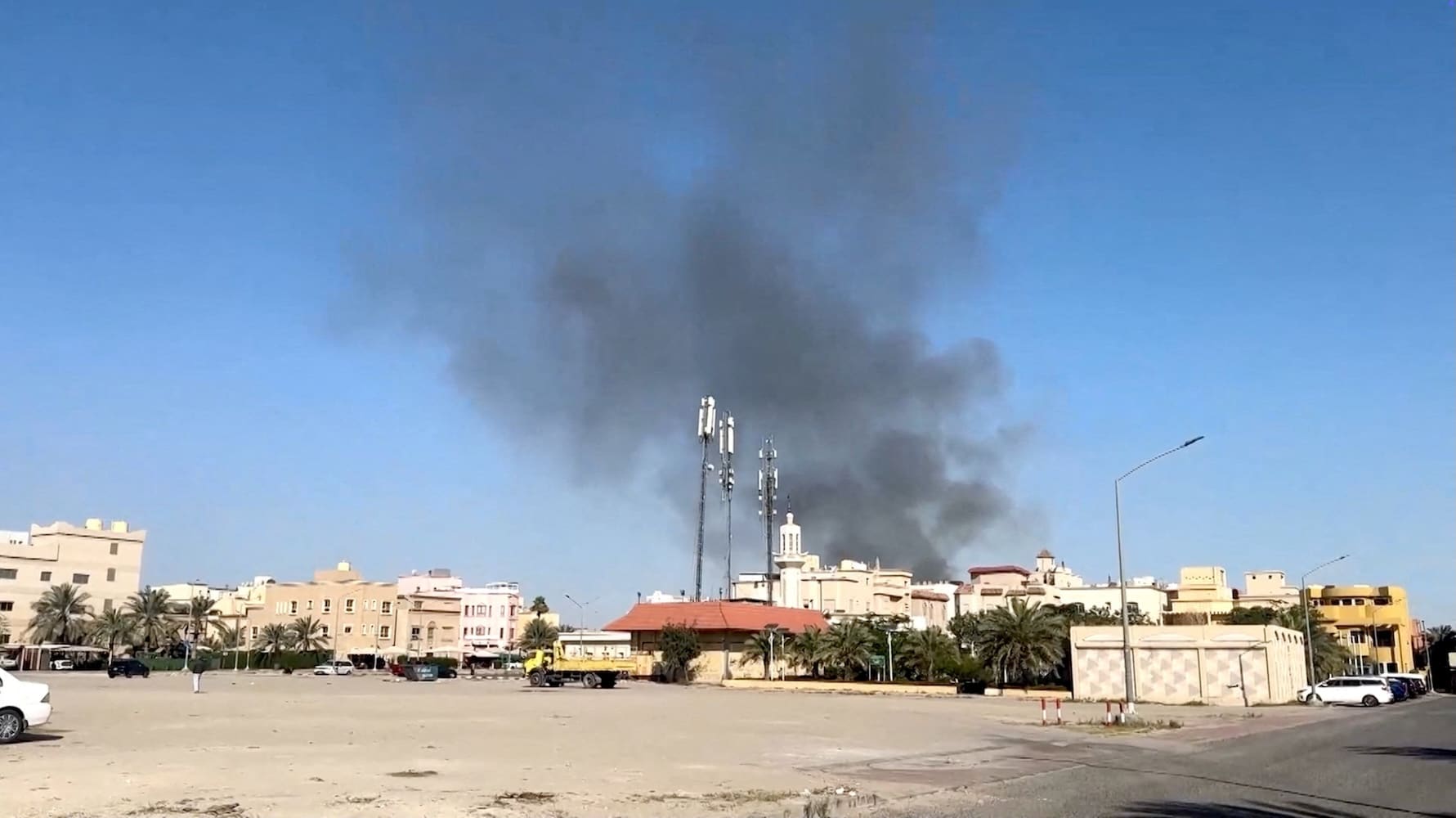
The headlines are screaming about "everything being knocked out" and a "3rd wave" of strikes that will supposedly reset the Middle East. It is a comforting narrative for those who want to believe that complex, decades-old ideological conflicts can be resolved with a few sorties of F-35s. But the "everything is gone" rhetoric is a classic case of military hyperbole meeting media desperation.
In reality, modern integrated air defense systems and hardened nuclear facilities are not "knocked out" in a weekend. They are suppressed. There is a massive, expensive difference between destroying an enemy's ability to fight and merely inconveniencing their Tuesday. When Donald Trump warns of a third wave, he isn't providing a tactical briefing; he is engaging in a high-stakes psychological operation that Tehran is more than happy to reciprocate. Both sides need the threat of total war to maintain their domestic leverage.
The Intelligence Trap
The "lazy consensus" among defense analysts is that satellite imagery showing charred hangars equals a neutralized threat. I have spent enough time looking at damage assessment reports to know that what looks like a total loss from 300 miles up is often a shell.
Iran has spent thirty years perfecting the art of the "honey pot"—building decoy S-300 batteries and dummy centrifuges designed specifically to be blown up by expensive Western munitions. When a "wave" of strikes hits, the attacker records a win for the evening news, and the defender records a "martyrdom" narrative for the local population. It is a symbiotic cycle of destruction that changes nothing on the ground.
Follow the Money Not the Missiles
If you want to know if a third wave is actually coming, stop looking at troop movements and start looking at the insurance premiums for oil tankers in the Persian Gulf.
The markets are the only honest actors in this theater. While politicians bluster about "knocking everything out," the smart money is betting on a controlled burn. Why? Because a truly "knocked out" Iran means a global oil spike that would cripple the very Western economies trying to enforce the peace.
- The Energy Paradox: The West cannot afford to win too quickly. Total Iranian collapse triggers a power vacuum that makes the 2003 Iraq aftermath look like a rehearsal.
- The Proxy Problem: Even if you vaporize every runway in Iran, you haven't touched the Hezbollah cells in Lebanon or the Houthis in Yemen. Kinetic strikes on the mainland are a vanity project if the periphery remains untouched.
Why the "3rd Wave" is a Domestic Product
Trump’s rhetoric serves a specific function: it projects a "maximum pressure" persona that appeals to a base tired of "forever wars" but addicted to "winning." Conversely, the Iranian regime uses the threat of a third wave to justify its internal crackdown on dissent.
"We are under attack" is the ultimate get-out-of-jail-free card for an unpopular government. If the strikes stop, the Iranian public starts asking why the currency is worthless. If the strikes continue, the regime can blame the "Great Satan" for every empty shelf in Tehran.
The Logistics of Deception
Consider the physics of a sustained air campaign. To actually "knock out" a nation of 88 million people with mountainous terrain requires more than "waves." It requires a permanent presence that the U.S. taxpayer has no appetite for.
- Refueling Cycles: Continuous strikes require a massive logistics tail that is easily tracked.
- Munition Depletion: We are currently seeing a global shortage of precision-guided munitions due to secondary conflicts. You don't "unleash" a third wave when your magazine is running low.
- Cyber Overreach: The real third wave won't be kinetic. It will be the systematic dismantling of power grids and financial switches. But that doesn't make for a good campaign slogan, so we stick to the imagery of falling bombs.
The Counter-Intuitive Truth
The safest time in the Middle East is often right after a "devastating" strike. Once the missiles have flown, the tension is released, the headlines are written, and both sides go back to the shadows to negotiate the next back-channel deal.
The danger isn't the third wave. The danger is the "lazy consensus" that believes military hardware can solve a diplomatic deficit. We are watching a choreographed dance where the dancers are using live ammunition, but the steps are pre-determined.
Stop asking when the next wave is coming. Start asking who benefits from the fear of it. The answer is rarely the person caught in the crossfire.
Buy the dip in oil. Ignore the "breaking news" banners. The theater must go on, but you don't have to believe the script.
Throw away the map and look at the ledger. That is where the war is actually being won and lost.