The skyline of the Dubai International Financial Centre (DIFC) usually hums with the high-stakes energy of global finance. But today, the hallways are eerily quiet. If you walked through the gates of the major western banks in the region this week, you’d find more security guards than traders. This isn't a scheduled holiday or a shift in remote work policy. It's a scramble for safety.
The trigger? A direct, chilling threat from Tehran. Iran’s military command just warned that any economic hub or bank linked to the United States or Israel is now a legitimate target. Within hours, the dominoes started falling.
The Great Banking Exodus
Citigroup didn't wait around to see if the threats were bluster. They sent out an internal memo—verified by several news outlets—telling staff in both the DIFC and the Oud Metha district to pack up and work from home. Standard Chartered followed suit almost immediately. These aren't just small regional outposts; Dubai has become the nervous system for Western capital in the Middle East. When the people running those systems leave the building, the markets notice.
It didn't stop in the UAE. HSBC took it a step further in Qatar, shutting down all its branches until further notice. Think about the logistics of that for a second. Entire physical branches closed, services moved entirely behind a screen, and customers left wondering if their local bank is effectively in a war zone.
Tehran’s rhetoric has shifted from vague political posturing to specific, tactical warnings. The Khatam al-Anbiya military command issued a "one-kilometer rule," telling civilians to stay at least 1,000 meters away from any bank with Western ties. They’re framing this as a direct retaliation for an overnight strike on Bank Sepah in Tehran. In their eyes, the financial sector is no longer "off-limits" civilian infrastructure. It’s the front line.
Why the Gulf is Feeling the Heat
You might wonder why banks in Dubai or Doha are paying the price for a fight between Washington and Tehran. It comes down to a brutal reality: Iran can’t easily strike the U.S. mainland, but it can absolutely paralyze the U.S.-aligned financial network in its own backyard.
For decades, the Gulf monarchies have sold themselves as "safe harbors." They built the DIFC and the Abu Dhabi Global Market (ADGM) to be neutral ground where East meets West. That illusion of neutrality is evaporating.
- Targeting the Wallet: Iran knows that hitting a bank hurts more than hitting a military outpost. It causes capital flight, spikes insurance premiums, and makes investors think twice about keeping money in the region.
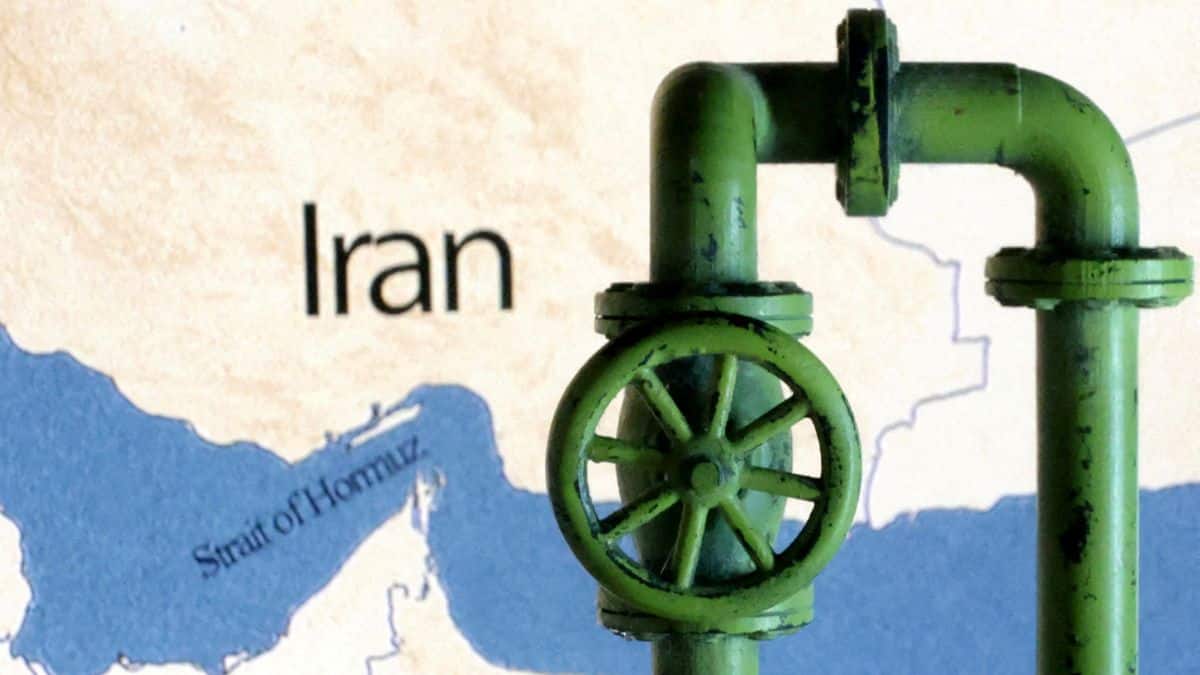
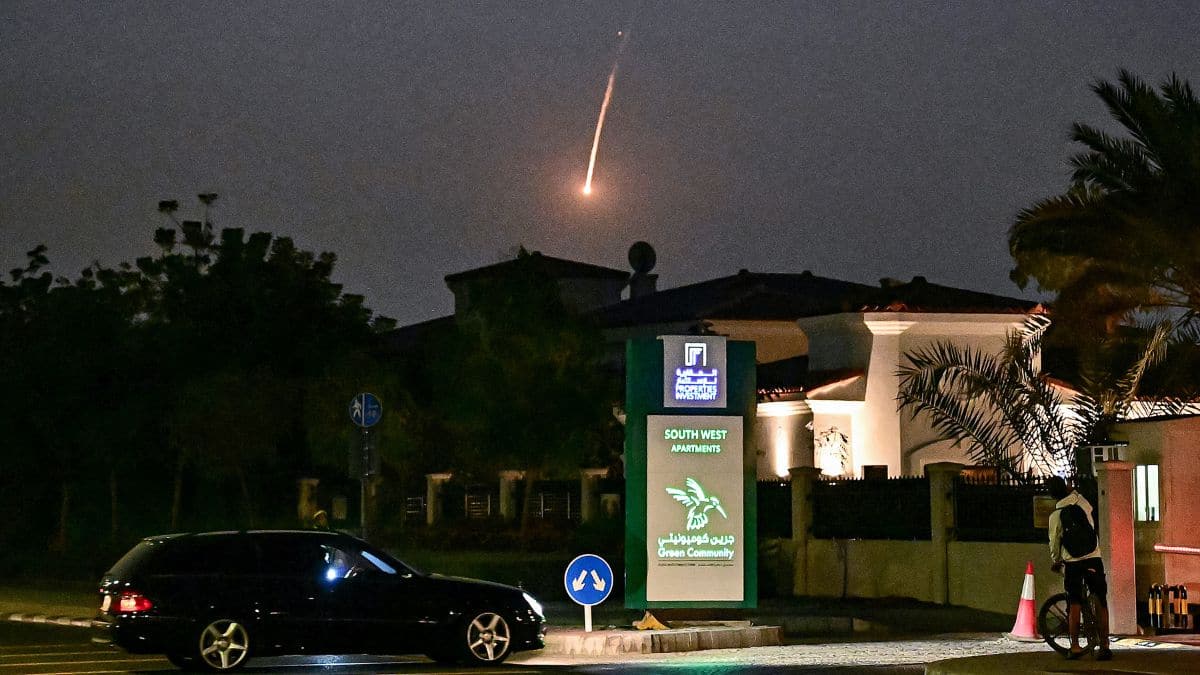
- Infrastructure at Risk: We aren't just talking about buildings. This escalation follows drone strikes near Dubai International Airport and disruptions in the Strait of Hormuz.
- The 2026 Reality: We're in a cycle where geopolitical shocks are the new normal. The "madman theory" of international relations is being played out in real-time, where escalating to the brink of total regional war is used as a survival strategy.
The Problem With Working From Home
Remote work is a great backup, but it’s a band-aid on a bullet wound. Global finance relies on high-speed, secure infrastructure that’s often hard-wired into these financial hubs. More importantly, it relies on confidence.
If you're an institutional investor, you're looking at these evacuations and asking a simple question: Is my capital safe in a region where the biggest banks have to flee their offices because of a Telegram post from a military commander? The answer right now is "maybe," and in banking, "maybe" is the same as "no."
Consulting giants like PwC and Deloitte have also reportedly cleared out their offices across Saudi Arabia, Kuwait, and the UAE for the rest of the week. This is a total pause of the "knowledge economy" in the Gulf. When the consultants and the bankers are both working from their living rooms in a panic, the region’s status as a global hub takes a massive hit.
What This Means for Your Money
If you have assets in the region or do business with these lenders, the immediate risk isn't necessarily your balance hitting zero. It’s the friction.
- Transactional Delays: Expect slower processing times for cross-border wires. Compliance teams are on high alert, and remote setups aren't always as efficient as the trading floor.
- Market Volatility: The UAE and Saudi markets are already jittery. Any actual physical damage to a financial landmark will send shockwaves through the local exchanges.
- Insurance Spikes: The cost of doing business in the Gulf just went up. "Political risk" insurance is about to get a lot more expensive for every company with an office in the DIFC.
The Gulf states are trying to play a delicate game. They don't want to be part of this war. They didn't start it, and they certainly don't want their shiny glass towers to be the target of a missile or a drone. But as long as they host the financial machinery of the West, they are stuck in the crosshairs.
Move your operations to a high-security footing if you're in the region. Don't assume the "working from home" orders will be lifted by Monday. This is a fundamental shift in the security landscape of the Middle East, and the empty offices in Dubai are just the beginning.
If you're managing a portfolio with GCC exposure, now is the time to stress-test your liquidity. Ensure you have redundant banking channels outside the immediate line of fire. The banks have already evacuated their people; you should make sure your capital has a back-exit, too.