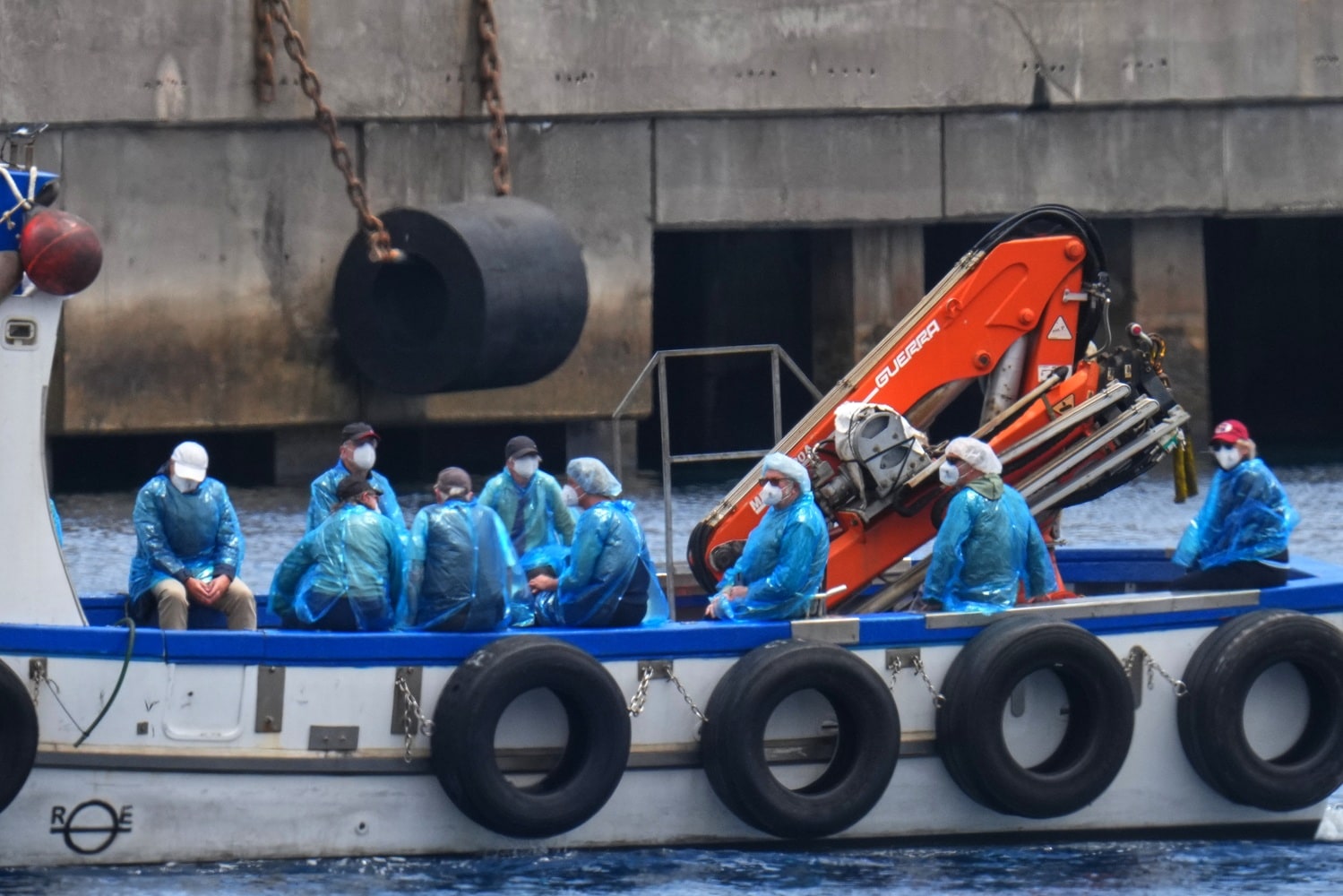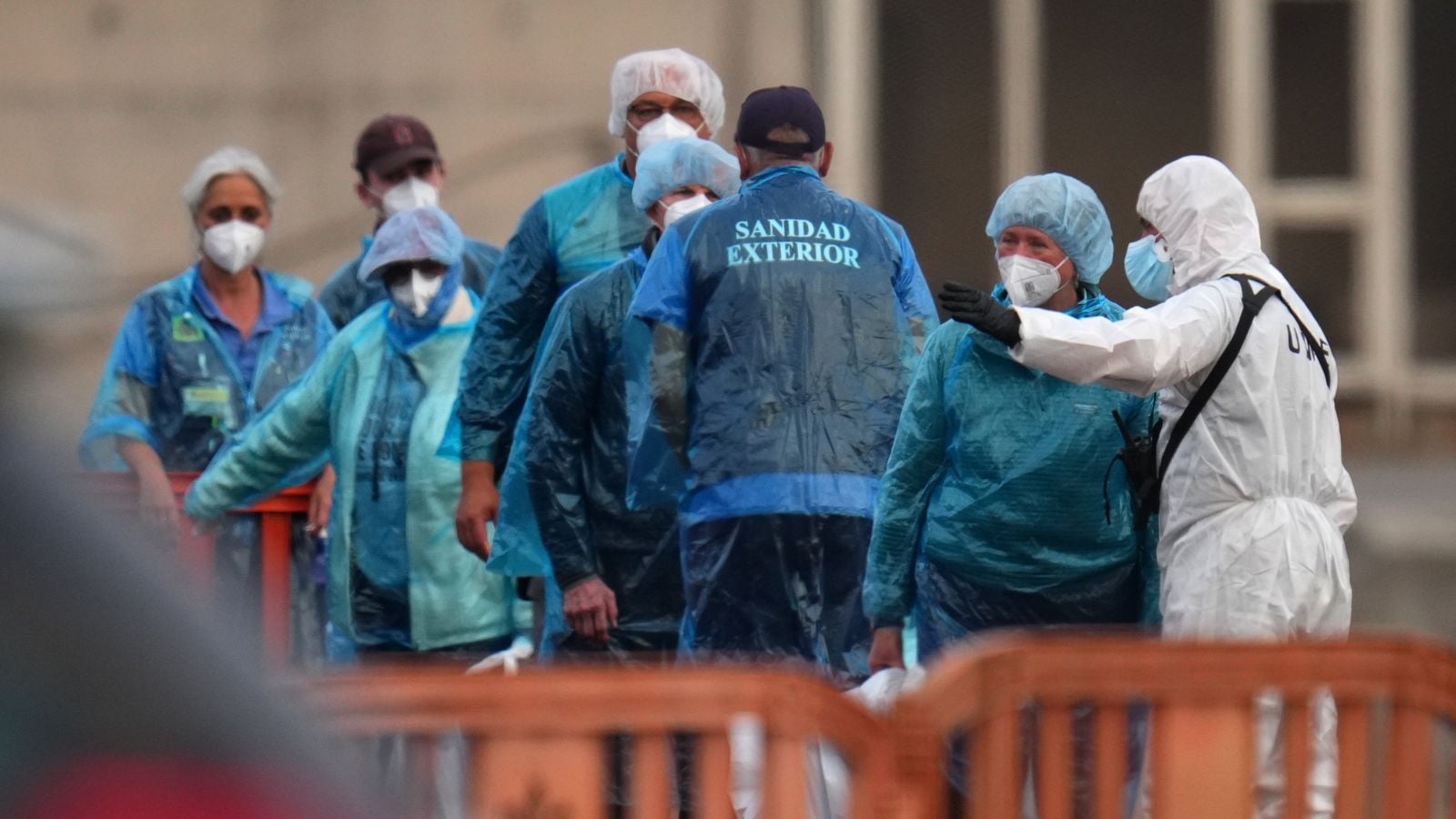
Panic spreads faster than any pathogen. Right now, headlines about a Hantavirus outbreak and international passengers being flown home under monitoring are triggering flashbacks to 2020. You've likely seen the alerts. Governments are tightening quarantine protocols and tracking travelers across borders. It sounds like the plot of a disaster movie, but if you strip away the sensationalism, the actual science tells a much more specific story. Hantavirus isn't a new mystery, and it's certainly not the "next" global pandemic in the way people fear.
The current situation involving international travel and intensified monitoring isn't about a virus that's suddenly changed its nature. It's about a failure in localized rodent control and the speed of modern aviation. When someone gets sick in a high-risk area and hops on a plane to London, New York, or Tokyo, public health agencies have to move fast. That’s exactly what we’re seeing. Learn more on a connected subject: this related article.
Why Hantavirus Isn't Covid 2.0
Stop comparing this to respiratory viruses like the flu or SARS-CoV-2. It’s a completely different beast. Hantaviruses are primarily "zoonotic." That means they jump from animals to humans. Specifically, they come from rodents—deer mice, cotton rats, and rice rats.
You don't catch Hantavirus because someone coughed on you in an elevator. You catch it by breathing in "aerosolized" droppings, urine, or saliva of infected rodents. Imagine you're cleaning out a dusty old cabin or a shed that’s been sitting empty for months. You sweep up the floor, dust flies into the air, and you inhale the virus. That’s the classic transmission path. More journalism by CDC explores comparable views on the subject.
Because human-to-human transmission is extremely rare—documented almost exclusively in specific strains like the Andes virus in South America—the threat doesn't scale exponentially like a respiratory pandemic. The "outbreak" isn't a wave passing through people; it's usually a cluster of people exposed to the same infested environment. When passengers are flown home for monitoring, authorities are usually tracking people who shared a physical space with the primary source, not people who sat three rows back on a plane.
The Brutal Reality of HPS and HFRS
There are two main ways this virus hits the human body, and neither is pretty. In the Americas, we deal with Hantavirus Pulmonary Syndrome (HPS). This is the version that makes the news because it has a terrifying mortality rate of around 35% to 40%.
It starts with "prodromal" symptoms that feel like a bad case of the flu. Fever, muscle aches in the large muscle groups, and fatigue. But after a few days, the lungs suddenly fill with fluid. It’s called non-cardiogenic pulmonary edema. You basically drown from the inside out because your capillaries start leaking.
In Europe and Asia, the virus more commonly manifests as Hemorrhagic Fever with Renal Syndrome (HFRS). This version attacks the kidneys. While the mortality rate is lower—usually between 1% and 15% depending on the specific strain—it’s an agonizing experience involving intense back pain, blurred vision, and internal bleeding.
Identifying the Real Risks
- Environmental Exposure: This is the big one. If you haven't been near rodent nests or droppings, your risk is effectively zero.
- Occupational Hazards: Farmers, construction workers, and hikers are on the front lines.
- Seasonal Surges: Outbreaks often follow "mast years" where an explosion in seed production leads to a boom in the rodent population.
Behind the Scenes of Global Monitoring
Why all the drama with flying passengers home? It’s about the incubation period. Hantavirus takes anywhere from one to eight weeks to show up after exposure. If a group of tourists visited a site later found to be infested with infected mice, they could be scattered across the globe by the time the first person hits the ICU.
Public health officials at the CDC and the World Health Organization (WHO) use the "Passenger Locator Form" system to trace these individuals. Monitoring isn't just about watching for a cough. It’s about daily temperature checks and immediate hospitalization the moment a fever spikes. Because there’s no specific cure or "magic pill" for Hantavirus, early supportive care—oxygen therapy and hydration—is the only thing that keeps people alive.
The intensity of the current response reflects a "better safe than sorry" posture. We’ve learned that being slow to react to any viral cluster is a recipe for disaster. Even if the risk of a person-to-person jump is low, the high death rate of HPS means every single case is treated as a high-stakes emergency.
Misconceptions That Fuel the Fire
People love a good scare. I’ve seen claims online that Hantavirus is now "airborne between humans" or that it’s being spread through international food shipments. Let's get real.
First, the virus is fragile. It doesn't survive long outside a host or a moist environment. UV light from the sun kills it pretty quickly. You aren't going to get Hantavirus from a cardboard box shipped from overseas. Second, the "airborne" label is misleading. It’s airborne in the sense that dust particles containing the virus can be inhaled, but it doesn't hang in the air for hours like a fine mist in a crowded room.
Also, don't blame the pets. Your cat or dog won't give you Hantavirus. They might bring an infected mouse into the house, which increases your risk indirectly, but the virus doesn't make them sick and they don't shed it in a way that infects humans.
How to Actually Protect Yourself
If you're worried about an outbreak reaching your neighborhood, stop looking at the airport and start looking at your garage. Prevention is boring, but it works.
If you find rodent droppings, do not sweep or vacuum them. That’s the most common mistake people make. It kicks the virus right into your lungs. Instead, you need to wet the area down. Use a mixture of bleach and water (1 part bleach to 10 parts water). Let it soak for five minutes. This deactivates the virus. Then, use paper towels to pick up the mess while wearing gloves and a mask.
Seal up the holes. A mouse can squeeze through a hole the size of a dime. Use steel wool or caulk to close off entry points. If you’re a hiker or camper, stay away from "social shelters" or cabins that show signs of rodent activity. Pitch your tent in clear areas and keep your food in airtight containers.
The Policy Shift in International Travel
We’re seeing a more aggressive stance from organizations like the International Air Transport Association (IATA). They’re coordinating with health ministries to ensure that if a cluster is identified, travel is restricted for those potentially exposed until the incubation period clears. This isn't a "lockdown." It’s a targeted quarantine.
The goal is to keep the burden on local healthcare systems manageable. If twenty people in one city suddenly need ECMO (Extracorporeal Membrane Oxygenation) because their lungs are failing, it can overwhelm a regional hospital. By monitoring passengers and ensuring they are near high-level care facilities, authorities are trying to prevent "hot spots" from turning into tragedies.
Check your local health department's website for "Rodent-Borne Disease" advisories if you're planning on doing any heavy spring cleaning or visiting rural areas known for Hantavirus activity, such as the Southwestern United States or parts of China and South America. If you develop a sudden fever and muscle aches after being in a space where rodents might live, tell your doctor immediately about the exposure. Don't wait for the respiratory distress to kick in. Early intervention is the only thing that changes the math on that 40% mortality rate. Clean smart, stay out of dusty sheds, and stop panicking about the person sitting next to you on the plane.