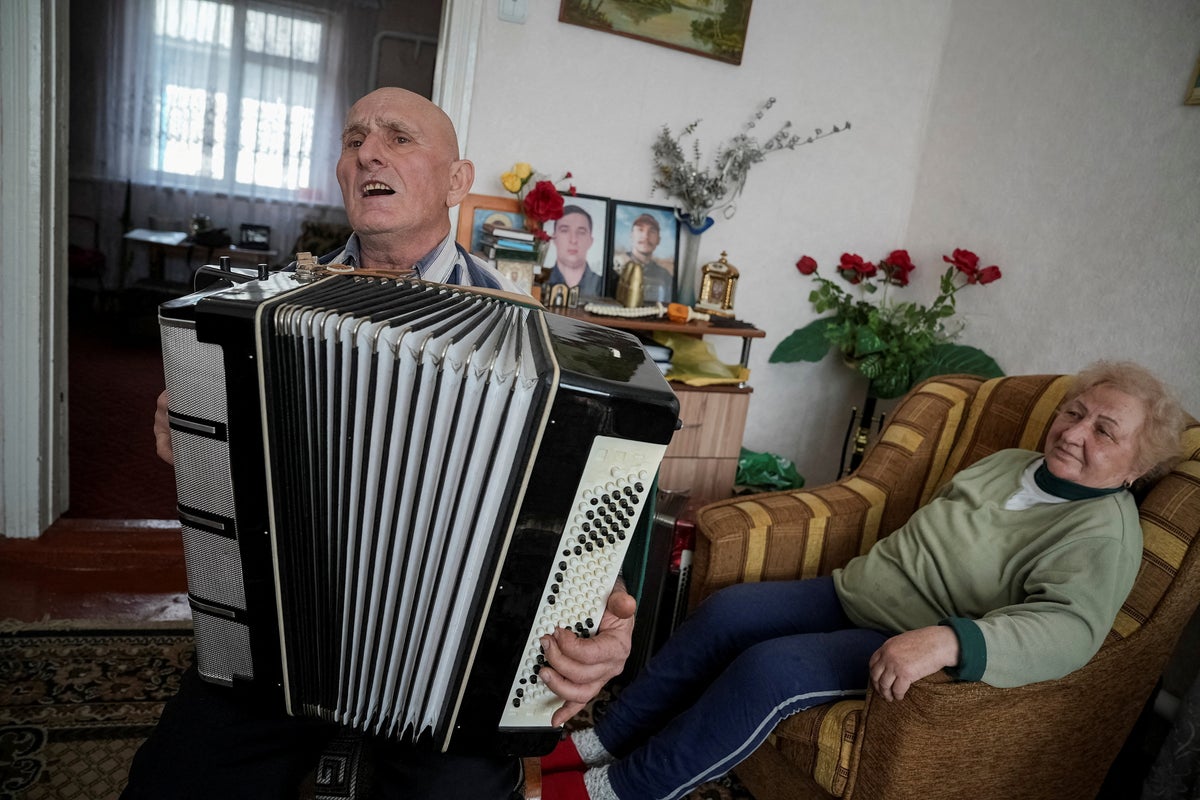
Thirty-eight years after the sirens wailed at the Vladimir Ilyich Lenin Nuclear Power Plant, we still don't grasp the true cost of the Chernobyl disaster. We look at the grainy footage of liquidators shoveling graphite or the haunting, empty swings in Pripyat. But the wreckage isn't just in the soil or the rusted ferris wheel. It's in the marrow of the survivors. People often ask if it's safe to visit the Exclusion Zone now. That’s the wrong question. You should be asking what happened to the people who never had the luxury of leaving the consequences behind.
The survivors aren't just statistics. They're a dwindling group of individuals who share a terrifying commonality. None of them are healthy. I'm not talking about a nagging cough or a bit of back pain. We're talking about a systematic breakdown of the human body that began on April 26, 1986, and hasn't stopped since. The "Chernobyl Heart" is a real thing. The "Chernobyl Neck" from thyroid surgeries is a real thing.
Why the Official Death Toll is a Lie
If you look at the official United Nations or World Health Organization reports from years ago, they might cite a death toll in the dozens or low hundreds. It's a joke. Honestly, it's insulting to those who lived through it. These figures usually only count the immediate firemen and plant workers who died of Acute Radiation Syndrome (ARS) within weeks of the blast. They ignore the slow-motion massacre that followed.
The fallout didn't just vanish. It settled into the thyroids of children who drank contaminated milk. It lodged in the lungs of the 600,000 liquidators who were sent in to "clean up" the mess with little more than lead aprons and bravado. Scientists like Dr. Yuri Bandazhevsky, who spent years studying the effects of cesium-137 in Belarus, found that even low doses of radiation accumulated in vital organs. He was even jailed for his findings. That tells you everything you need to know about how badly the authorities wanted to bury the truth alongside the radioactive topsoil.
The Body as a Battlefield
Radiation doesn't just cause cancer. That’s the big one everyone fears, sure, but the reality is much more mundane and miserable. It wrecks the immune system. Survivors often describe a state of "perpetual exhaustion." Their bodies are under constant siege.
The Cardiovascular Crisis
One of the most documented but least discussed effects is the impact on the heart. Cesium-137 mimics potassium. Your heart needs potassium to function. When the body mistakes radioactive cesium for potassium, it pulls it into the heart muscle. The result? Early-onset cardiovascular disease, arrhythmias, and heart failure in people who should be in their prime. Survivors in their 30s and 40s were showing up with the hearts of 80-year-olds. It’s a cardiovascular time bomb.
The Genetic Shadow
Then there's the fear of what comes next. For decades, survivors lived with the agonizing weight of "what will my children look like?" While the massive wave of physical mutations feared in the 90s didn't manifest exactly like a horror movie, the genetic instability is real. Genomic studies have shown an increase in "germline mutations"—changes in the sperm or eggs—though the extent to which these are passed down is still fiercely debated in the scientific community. But for a survivor, that debate isn't academic. It's a shadow over every pregnancy.
Living in the Shadow of the Sarcophagus
The psychological toll is just as heavy as the physical one. Imagine being told your home is a death trap. Imagine being moved to a concrete high-rise in Kyiv or Slavutych and being told you're a "Chernobylite." It became a stigma. You weren't just a refugee; you were a contaminated person.
Many survivors felt like lab rats. They were poked, prodded, and measured by international teams of scientists who then flew back to Geneva or Washington. The survivors stayed. They stayed with their failing kidneys and their clouded eyes. Cataracts are incredibly common among liquidators because the lens of the eye is highly sensitive to ionizing radiation. They literally saw the world go dark as they aged prematurely.
The Myth of the Reclaiming Nature
We’ve all seen the beautiful documentaries about wolves and horses thriving in the Exclusion Zone. It makes for great TV. It suggests that nature is "healing." Don't buy it. While wildlife has returned because humans left, researchers like Timothy Mousseau have found significant abnormalities in the animals there. Birds with smaller brains. Insects with different wing patterns. Lower biodiversity in the most "hot" spots.
If nature is struggling, why do we think the humans who were exposed got off easy? The "returnees"—the elderly Samosely who moved back to their villages—are often cited as proof that life goes on. But these people are outliers, and they are living on a diet of home-grown vegetables pulled from soil that still holds strontium-90. They chose a familiar death over a lonely life in a city. That’s not a success story. It’s a tragedy of choice.
What We Must Acknowledge Now
We can't change the past, but we can stop sanitizing it. The survivors don't need our pity. They need the world to recognize that their health issues aren't a coincidence. They are the direct result of a system that prioritized secrecy over safety.
If you want to understand the legacy of Chernobyl, don't look at the New Safe Confinement structure. Look at the pharmacy bills of a former liquidator. Look at the medical records of a woman who grew up in the path of the plume in 1986.
The disaster didn't end when the fire went out. It didn't end when the Soviet Union collapsed. It lives on in every doctor's appointment and every unexplained pain felt by those who were there. We owe it to them to keep the story accurate. No more downplaying. No more "official" numbers that ignore the reality of a generation in decay.
Stop viewing Chernobyl as a historical event. It is a current medical crisis. If you’re looking to support or learn more, look into organizations that provide direct medical aid to survivors and their families. The Red Cross and various "Children of Chernobyl" charities still operate because the need hasn't gone away. The isotopes are still there, and so are the people. They’re still waiting for a clean bill of health they’ll never get.
Check the labels on your assumptions. History is often written by the people who weren't in the trenches. The people who were in the trenches at Chernobyl are still fighting, just to stay alive. Listen to them instead. Their bodies don't lie, even if the reports do.
Find a way to support the survivors through reputable NGOs. Read the first-hand accounts like Svetlana Alexievich’s Voices from Chernobyl. Don't let the sanitized version of this disaster be the one that sticks. We've spent enough time looking at the ruins of buildings. It's time to look at the ruins of people.