Hong Kong’s current economic pivot toward high-value niche exhibitions—specifically targeting robotics, private aviation, and luxury yachting—represents a deliberate shift from volume-based tourism to a high-margin extraction model. By moving beyond traditional retail-driven tourism, the city is attempting to re-engineer its status as a premier capital gateway. This transition is not merely about attracting visitors; it is an exercise in liquidity matching, where the presence of high-net-worth individuals (HNWIs) serves as a catalyst for capital flow, deal-making, and specialized service sector growth.
The Trilateral Framework of High-Margin Exhibitions
The efficacy of Hong Kong’s new exhibition strategy rests on three distinct economic drivers. Each sector selected—robots, jets, and yachts—serves a specific structural purpose within the broader financial ecosystem.
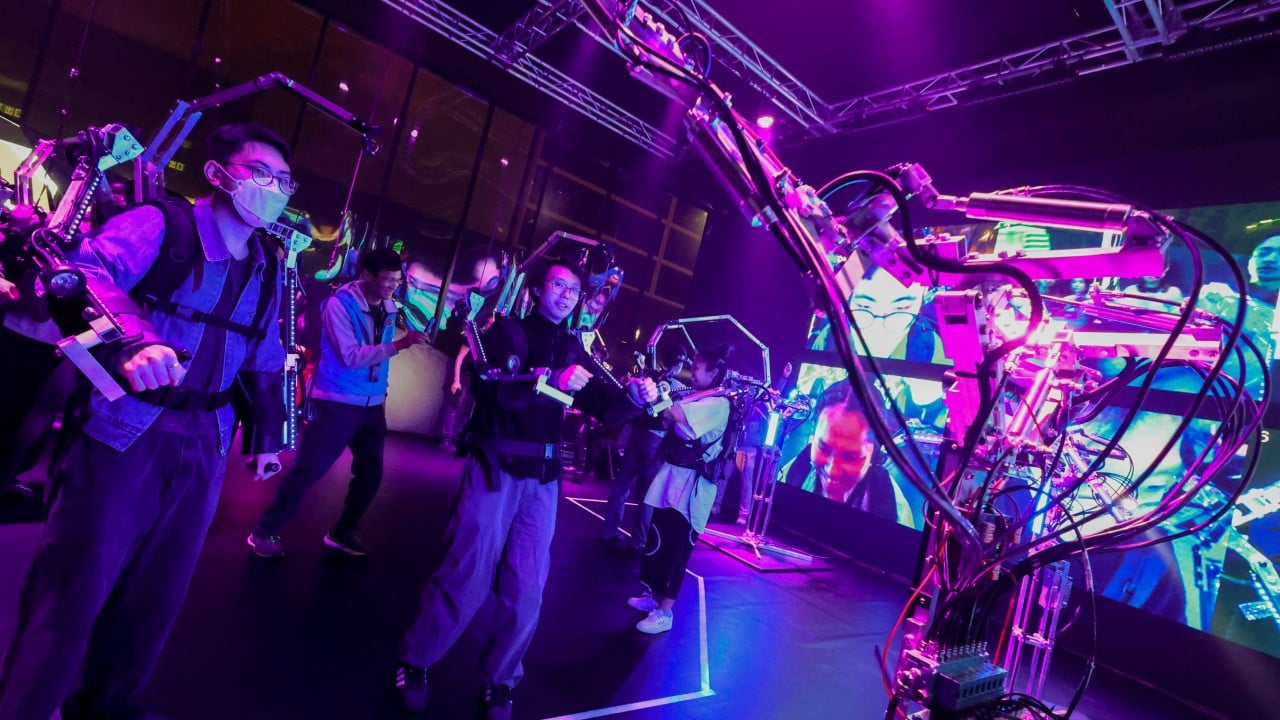
- Industrial Integration (Robotics): Unlike consumer electronics, robotics exhibitions attract institutional buyers and venture capital. The goal here is to position Hong Kong as the middleman between the manufacturing prowess of the Greater Bay Area and global tech investors.
- Asset Mobility (Aviation and Yachting): These sectors represent the pinnacle of mobile wealth. Hosting these fairs creates a captive environment for luxury asset management, financing, and legal services, which are high-yield sectors for the Hong Kong economy.
- The Connectivity Multiplier: High-value events function as a signal to the global market that the city remains a frictionless environment for high-stakes transactions.
The Cost Function of Elite Event Acquisition
Attracting "big spenders" through mega-events involves a complex cost-benefit analysis that extends far beyond ticket sales or hotel occupancy. The government’s subsidization of these fairs must be viewed through the lens of Customer Acquisition Cost (CAC) versus Lifetime Value (LTV) of the attendee.
- Infrastructure Stress: Large-scale yacht shows require specific maritime zoning and deep-water access, creating a logistics bottleneck in a city with high harbor traffic.
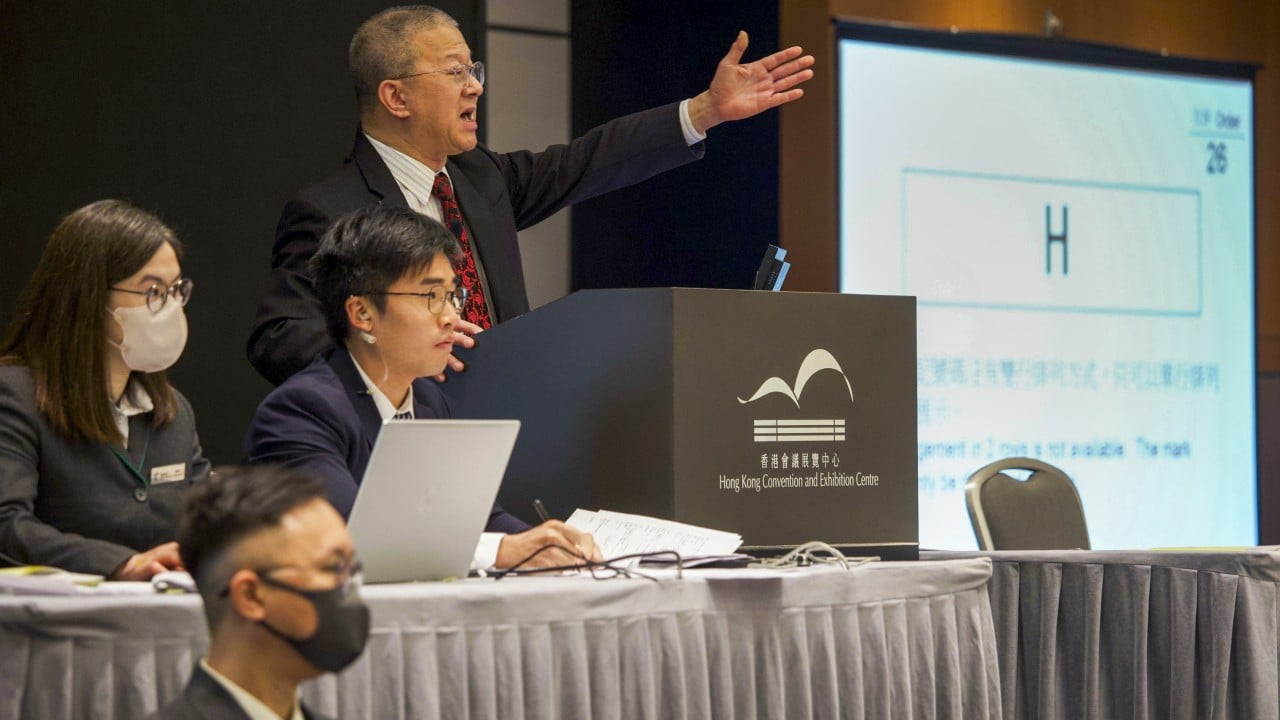
- The Opportunity Cost of Space: Every square meter of the Hong Kong Convention and Exhibition Centre (HKCEC) dedicated to a niche robotics firm is space not used for a mass-market trade fair. The city is betting that the lower-volume, higher-value transactions from the former will outpace the aggregate spending of the latter.
- Fiscal Incentives: To remain competitive against regional rivals like Singapore, Hong Kong often provides direct grants or tax breaks to organizers. The return on investment (ROI) is not immediate; it is deferred into the local service economy through legal fees, docking charges, and wealth management commissions.
Strategic Bottlenecks: Why Wealth Isn't Guaranteed
The assumption that "if you host them, they will spend" ignores several structural realities of the ultra-high-net-worth (UHNW) demographic. A successful exhibition requires more than just inventory; it requires a specific set of environmental conditions that are currently under pressure.
The Geographic Displacement Factor
Wealthy individuals are increasingly mobile. A yacht show in Hong Kong competes directly with established circuits in Monaco or Fort Lauderdale. For Hong Kong to succeed, it must provide a "unique regional utility"—specifically, the ability to facilitate entry into the mainland Chinese market. If regulatory hurdles or capital controls make this entry difficult, the utility of the Hong Kong fair diminishes, regardless of how many yachts are on display.
Regulatory Asymmetry
The private jet and yacht sectors are highly sensitive to tax regimes and registration laws. While Hong Kong remains a free port, the complexity of operating these assets within the Greater Bay Area remains a friction point. If a buyer cannot easily move their asset between Hong Kong and the mainland, the incentive to purchase at a Hong Kong show is neutralized.
The Mechanics of Wealth Extraction: From "Visitor" to "Investor"
The true metric of success for these new fairs is the conversion rate of a visitor into a long-term economic stakeholder. This process follows a rigorous four-stage logic:
- Visibility: Attracting the target demographic through exclusive, high-tech displays (e.g., humanoid robots or next-generation eVTOL aircraft).
- Frictionless Interaction: Utilizing Hong Kong’s professional services to close deals on-site. This requires a dense concentration of bankers, insurers, and lawyers physically present at the event.
- Asset Seeding: Ensuring the purchased assets—whether a robotic fleet for a factory or a private jet—are managed or headquartered within Hong Kong.
- Capital Retention: Transitioning the buyer from a one-time purchaser to a user of the city’s broader financial services, such as family offices.
Quantifying the Impact of Robotics on Local Industry
While yachts and jets are high-visibility, robotics represents the most significant long-term growth lever. The integration of robotics exhibitions into the city's calendar creates a Technical Knowledge Spillover.
- R&D Hubbing: By showcasing global robotics leaders, Hong Kong encourages these firms to establish local research outposts.
- Labor Force Transition: The presence of these technologies forces the local service and manufacturing sectors to upskill, increasing the city's overall productivity per worker.
- VC Magnetism: Robotics is a capital-intensive industry. Frequent exhibitions provide a recurring rhythm for funding rounds, positioning Hong Kong as the primary exit and IPO venue for Asian tech firms.
The Competitive Landscape: The Hong Kong vs. Singapore Arbitrage
The rivalry with Singapore is a defining constraint on Hong Kong’s strategy. Singapore has spent a decade perfecting the "event-driven economy" through the F1 Grand Prix and various tech summits. Hong Kong’s counter-move must rely on its proximity to the Pearl River Delta’s supply chains.
Singapore excels at being a regional hub for Southeast Asia; Hong Kong must excel at being the Global-to-China Interface. If the new fairs (robots, jets, yachts) are generic, they will lose to Singapore’s established infrastructure. If they are specifically tailored to leverage the Greater Bay Area's manufacturing and consumer base, they create a value proposition that Singapore cannot replicate.
Risk Mitigation and Strategy Limitations
No strategy is without vulnerabilities. The primary risk to Hong Kong’s pivot is Geopolitical Volatility. High-value assets like private jets and advanced robotics are often subject to export controls and scrutiny.
- Supply Chain Resilience: If robotics components are restricted due to trade tensions, the exhibitions become obsolete.
- Capital Flight: UHNWIs prioritize stability. If the legal framework of Hong Kong is perceived as shifting, the "big spenders" will choose alternative venues, regardless of the quality of the exhibition.
- Crowding Out: By prioritizing the elite, the city risks alienating the mid-market trade fairs that have historically provided a stable, if lower-margin, revenue floor.
Direct Action: The Optimization of the Exhibition Ecosystem
To maximize the economic yield of these high-value fairs, the following operational adjustments are necessary:
- Implement Integrated Visa Facilitation: Create a "Business Traveler Fast-Track" specifically for attendees of accredited high-value fairs to reduce the friction of entry.
- Direct Linkage to the Family Office Initiative: Ensure that every major yacht and aviation fair has a dedicated presence from InvestHK’s Family Office team to provide immediate consultation on wealth migration and asset protection.
- Greater Bay Area "Joint-Port" Status: Negotiate temporary maritime and airspace corridors during exhibition periods to allow for demonstration flights and cruises between Hong Kong and neighboring cities like Shenzhen and Macau.
- Data-Driven Attendee Tracking: Move beyond raw footfall numbers. Implement systems to track the long-term capital inflow associated with event attendees, measuring the "Deal-to-Floor" ratio.
The transition to high-value fairs is a calculated move to trade quantity for quality. The success of this strategy will not be found in the number of people walking through the HKCEC doors, but in the volume of asset registrations and capital allocations that occur in the six months following each event. The city's role is shifting from a shopping mall to a high-tech clearinghouse.
Analyze the upcoming robotics and aviation fair schedules against regional competitors. If the overlap is greater than 30%, Hong Kong must pivot the programming toward "China-Entry" specific workshops to maintain a distinct competitive advantage.