Energy markets don't like uncertainty, but they absolutely hate a chokehold. Right now, the Strait of Hormuz is that chokehold. If you think the current price swings are just a temporary blip, you're missing the bigger picture that Saudi Aramco CEO Amin Nasser recently laid out. He isn't just being cautious. He's telling us that the global oil supply chain is brittle, and it’ll take until 2027 to find any real sense of "normal" if the chaos in the Middle East continues.
Let’s be real about what’s happening. We aren't just talking about a few delayed tankers. We're talking about the primary artery of the global energy trade. When Nasser speaks, the world listens because Aramco sits on the largest spare capacity on the planet. His timeline of 2027 is a wake-up call for anyone betting on a quick fix.
The Hormuz Problem Is Worse Than You Think
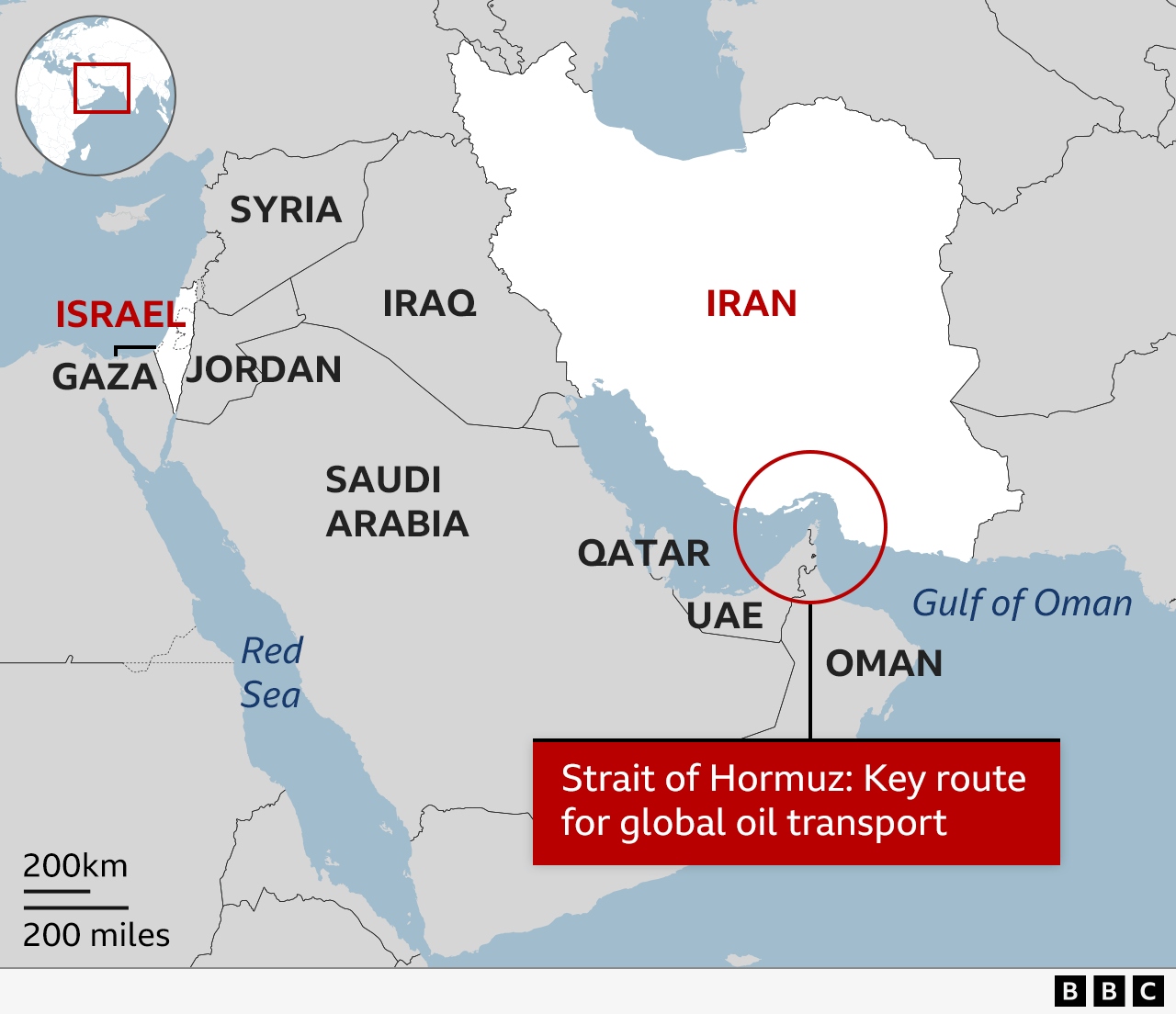
The Strait of Hormuz is a narrow stretch of water between Oman and Iran. It’s the only way to get oil from the Persian Gulf to the rest of the world. About 20% of the world’s total oil consumption passes through this tiny gap every single day. If that gets blocked or even just slowed down by constant security threats, the ripple effects are massive.
Insurance costs for tankers skyrocket. Shipping routes get diverted around the Cape of Good Hope, adding weeks to transit times and burning more fuel. You can’t just "fix" that with a press release. Nasser’s point is that the infrastructure of global trade isn't built for a permanent state of high-alert bypass. It takes years to adjust logistics, build new pipelines, or find alternative sources that can actually move the needle.
Why 2027 Is the Magic Number
You might wonder why we need three years to get back to baseline. It’s about investment cycles and the physical reality of moving millions of barrels of crude. Most people think you can just turn a tap and more oil appears. It doesn't work like that.
Developing new oil fields or expanding existing ones takes a massive amount of capital and time. Aramco itself has been working on boosting its Maximum Sustainable Capacity (MSC). However, even the biggest company in the world has to deal with the physics of engineering. If the Strait of Hormuz remains a danger zone, the world has to rely on more expensive, less efficient ways to move energy.
We’re also seeing a shift in where oil goes. China and India are hungry for every drop they can get. If the Middle East supply is throttled, those nations start outbidding Europe and the US for barrels from West Africa or the Americas. That creates a global bidding war. Nasser is essentially saying that the rebalancing of these trade flows—finding new homes for oil and new ways to get it there—won't happen overnight.
The Myth of the Energy Transition Quick Fix
There's a lot of talk about how renewables will save us from Middle Eastern instability. I've seen the charts, and I've read the manifestos. But the reality on the ground is different. The world still runs on oil. Even with the massive growth in EVs and solar, global oil demand is hitting record highs.
Amin Nasser has been very vocal about this. He argues that the transition is happening, but it’s not happening fast enough to replace the need for stable oil supplies in the next few years. If we stop investing in oil because we’re dreaming of a 100% green 2030, we’re going to end up with energy shortages and price spikes that make 2022 look like a walk in the park.
The 2027 timeline assumes that we keep investing in traditional energy while we build the new stuff. If that investment drops off because of political pressure or fear of stranded assets, "normal" might not even happen by 2027. It might take much longer.
What This Means for Your Wallet
High oil prices aren't just about what you pay at the pump. They're about the cost of everything.
- Shipping and Logistics: Almost every product you own was on a truck or a ship. When fuel costs rise, shipping companies pass those costs to retailers.
- Plastics and Chemicals: Oil is a raw material for thousands of products, from medical supplies to smartphone cases.
- Food Prices: Modern farming is incredibly energy-intensive. Fertilizers are often made using natural gas, and tractors don't run on hopes and dreams.
If Nasser is right and we’re stuck in this volatile state for another three years, inflation isn't going away. Central banks might try to fight it with interest rates, but you can’t "interest rate" your way out of a physical shortage of oil.
The Geopolitical Chessboard
We have to look at the players involved. Iran has a lot of leverage over the Strait. They know that even the threat of a closure can send markets into a frenzy. On the other side, you have the US and its allies trying to keep the lanes open. It’s a high-stakes game of chicken that has been going on for decades, but the current tension feels different. It’s more sustained.
The Red Sea disruptions have already shown us how quickly things can go sideways. Ships are already avoiding the Suez Canal because of drone and missile attacks. This forces them around Africa. If you add a Hormuz disruption on top of that, you’ve basically cut off the two most important shortcuts in the world.
Why the Market is Mispricing Risk
Right now, oil prices are hovering in a range that suggests the market thinks everything is "fine-ish." Traders are focused on high interest rates and a slowing Chinese economy. They’re looking at the demand side of the equation.
But Nasser is looking at the supply side. He sees the lack of spare capacity outside of Saudi Arabia and the UAE. He sees the aging infrastructure and the political instability. He’s telling us that the market is one major event away from a massive supply crunch. If the Strait of Hormuz actually closes, even for a week, $100 oil will be in the rearview mirror.
I think people are too comfortable. We’ve had a few decades of relatively easy energy, and we’ve forgotten how hard it is to maintain that stability. The 2027 projection is a warning to diversify, to invest, and to stop taking energy security for granted.
How to Navigate This Uncertainty
You can't control the geopolitical situation in the Middle East, but you can change how you react to it. If you’re a business owner, you need to look at your supply chain. How much of your cost structure is tied to energy? If fuel prices jump 30% tomorrow, does your business survive?
Investors need to look at the energy sector not just as a "dirty" industry to be avoided, but as a critical piece of global infrastructure. Companies that have the tech and the assets to produce oil efficiently in a high-risk world are going to be incredibly valuable.
Don't wait for the headlines to tell you the crisis has arrived. The CEO of the world’s most important oil company just gave you a three-year warning. The road to 2027 is going to be bumpy, expensive, and full of surprises.
The smartest thing you can do right now is build a buffer. Hedge your energy costs where you can. Look for efficiency gains that you’ve been putting off. Most importantly, stop expecting the "old normal" to come back anytime soon. It’s gone. We’re in a new era of energy volatility, and 2027 is the earliest exit ramp we’ve got.
Start auditing your energy exposure today. Check your contracts, look at your logistics providers, and ensure you aren't one shipping delay away from a total shutdown. The 2027 horizon is a long way off when you're paying today's prices.