The outrage machine is predictable. Whenever a headline drops about lifting restrictions in national parks or wilderness areas, the reaction follows a weary script. Activists paint a picture of blood-soaked meadows and a landscape stripped of its soul. They talk about "protection" as if it means putting nature in a vacuum-sealed bag and storing it in a dark closet.
They are wrong.
Nature isn't a museum exhibit. It is a messy, violent, high-stakes biological engine. When we talk about "lifting restrictions" on hunting in federal lands, we aren't talking about the destruction of the wild. We are talking about the only proven mechanism we have for actually funding its survival. The "lazy consensus" suggests that humans are an external virus that must be quarantined away from the woods. The reality? We are the apex predator the system requires to stay in balance.
The Myth of the Hands-Off Paradise
The biggest lie in modern environmentalism is that "untouched" means "healthy." Stop looking at national parks as static postcards. Ecosystems are dynamic. Without active management—which includes the regulated harvest of surplus animals—you don't get a lush paradise. You get overgrazing. You get disease. You get a collapse of biodiversity that makes a controlled hunting season look like a Sunday brunch.
Imagine a scenario where an elk population in a protected valley grows without check. They strip the willow and aspen. The songbirds lose their nesting sites. The beavers lose their dam-building materials. The river becomes a silt-choked mess because there are no dams to slow the flow. By "protecting" the elk from hunters, you’ve effectively nuked the entire riparian ecosystem. This isn't theory; it’s what happens when we let sentimentality drive policy instead of biology.
The Pittman-Robertson Reality Check
Let’s talk about the money that the "No Hunting" crowd conveniently ignores. Since 1937, the Pittman-Robertson Act has funneled billions of dollars into conservation. Where does that money come from? An excise tax on firearms, ammunition, and archery equipment.
Hunters pay for the hikers' trails. Hunters pay for the birdwatchers' binoculars. Hunters pay for the land acquisitions that keep developers from turning that "wilderness" into a strip mall. To demand fewer hunting opportunities while simultaneously demanding more "protected" land is a fiscal hallucination. You cannot have the habitat without the harvest.
I’ve seen state agencies nearly go bankrupt trying to manage invasive species and habitat restoration because their primary funding source—hunting licenses—dipped. When the "restrictions" are lifted, the revenue flows. If you want to save the grizzly, you’d better make sure someone is paying for the wardens who protect its territory.
The "Wilderness" Deception
The term "wilderness" is often used as a legal cudgel to keep people out. But the North American Model of Wildlife Conservation is built on the idea that wildlife belongs to the public. If the public is barred from engaging with that wildlife in a traditional, regulated manner, the public loses interest.
When you lose the interest of the rural population—the people who actually live next to these lands—you lose the political will to keep the land federal. By opening these areas, we aren't "exploiting" them. We are re-establishing the bond between the citizen and the soil. A hunter who spends ten days tracking a mule deer in the backcountry cares more about that land’s health than a thousand "armchair activists" clicking "like" on a photo of a sunset.
Addressing the "Fair Chase" Fallacy
Critics argue that modern gear makes hunting "unfair" or "unsporting." This is a distraction. Management isn't about "sport" in the Victorian sense; it’s about population targets. Biologists at the state level determine the "carrying capacity" of a landscape. If the population exceeds that number, animals suffer. They starve. They succumb to Chronic Wasting Disease (CWD).
Lifting restrictions allows hunters to act as a precision tool for biologists. It’s not a free-for-all. It is a highly regulated, data-driven extraction designed to ensure the long-term viability of the herd.
The Brutal Truth About "Non-Consumptive" Users
Hikers, mountain bikers, and photographers love to call themselves "non-consumptive." It’s a smug lie. Every time a trail is blazed, habitat is fragmented. Every time a drone buzzes a nesting raptor for a "cool shot," stress levels spike. Every time a backpacker leaves human waste near a water source, the ecosystem feels it.
Hunters are the only group that pays an entrance fee specifically designed to offset their impact. If you want to ban hunting on national lands, then you must be prepared to pay a $200 "hiking permit" every time you lace up your boots. Until the "outdoor lifestyle" crowd is willing to foot the bill, their moral high ground is built on sand.
The Nuance of the "Trump Policy"
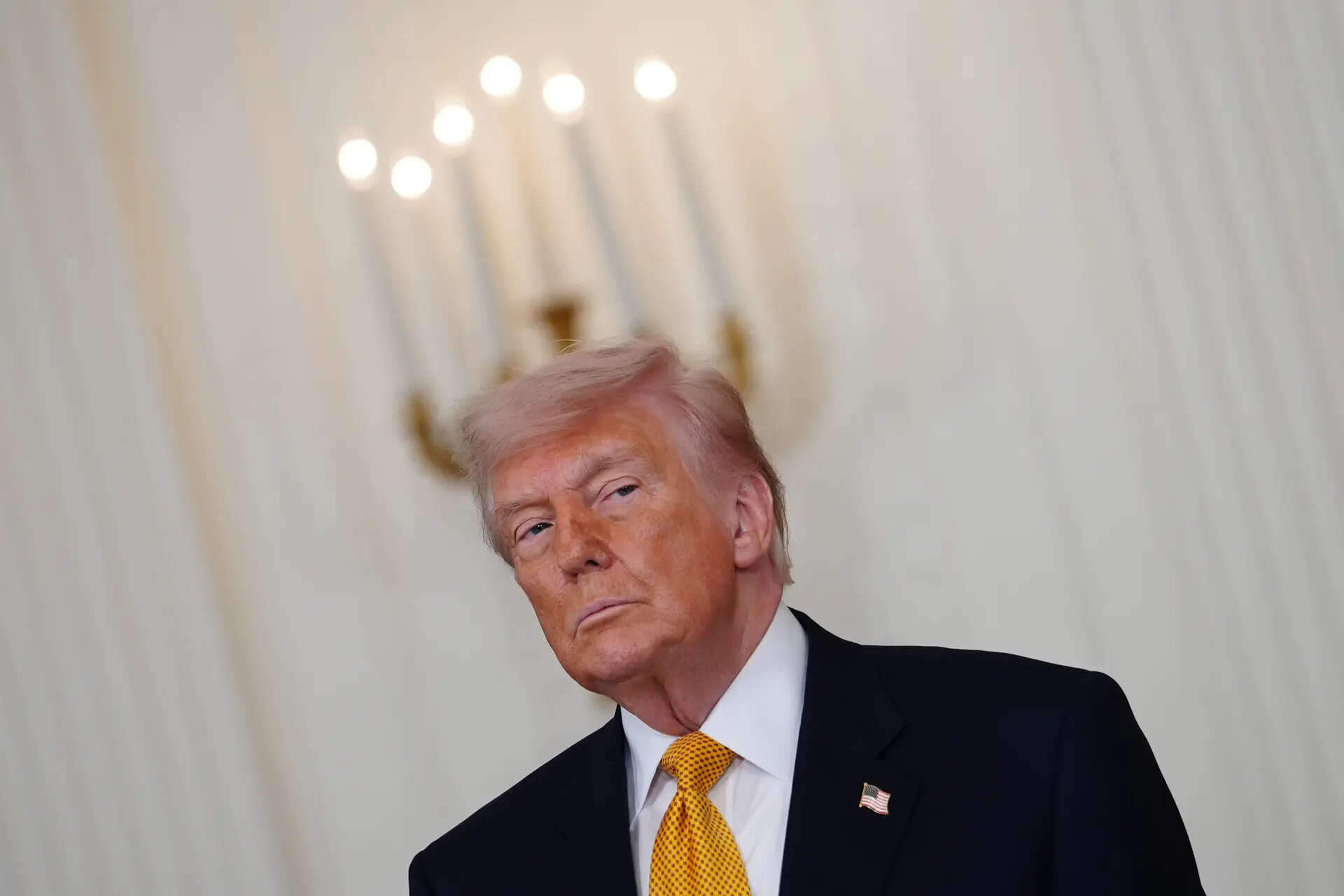
While the headlines focus on the name at the top, the policy shifts are often about returning power to state-level biologists. Federal "restrictions" are often blanket rules that don't account for local nuances. A deer population problem in the East is not the same as an elk problem in the West.
By removing the federal red tape, we allow the people who are actually on the ground—the boots-on-the-dirt biologists—to make calls based on what that specific acre of land needs today. Centralized control is the enemy of ecology. Ecology is local.
The High Cost of Sentimentality
We are reaching a tipping point where "feeling good" about nature is killing nature. We prioritize the individual animal's life over the species' survival. We see a wolf or a bear and think of a Disney character, forgetting that nature’s primary state is one of competition and consumption.
Lifting hunting restrictions isn't an "attack" on nature. It is an admission that we are part of it. It is a rejection of the failed "fortress conservation" model that seeks to separate humans from the wild.
If you truly value the national parks, stop treating them like cathedrals where you can only whisper and look. Treat them like the working landscapes they are. Support the harvest. Fund the habitat. Recognize that the man in the orange vest is doing more for the forest than the influencer in the yoga pants ever will.
The wild doesn't need your protection; it needs your participation.
Get out of the way and let the biologists do their jobs.