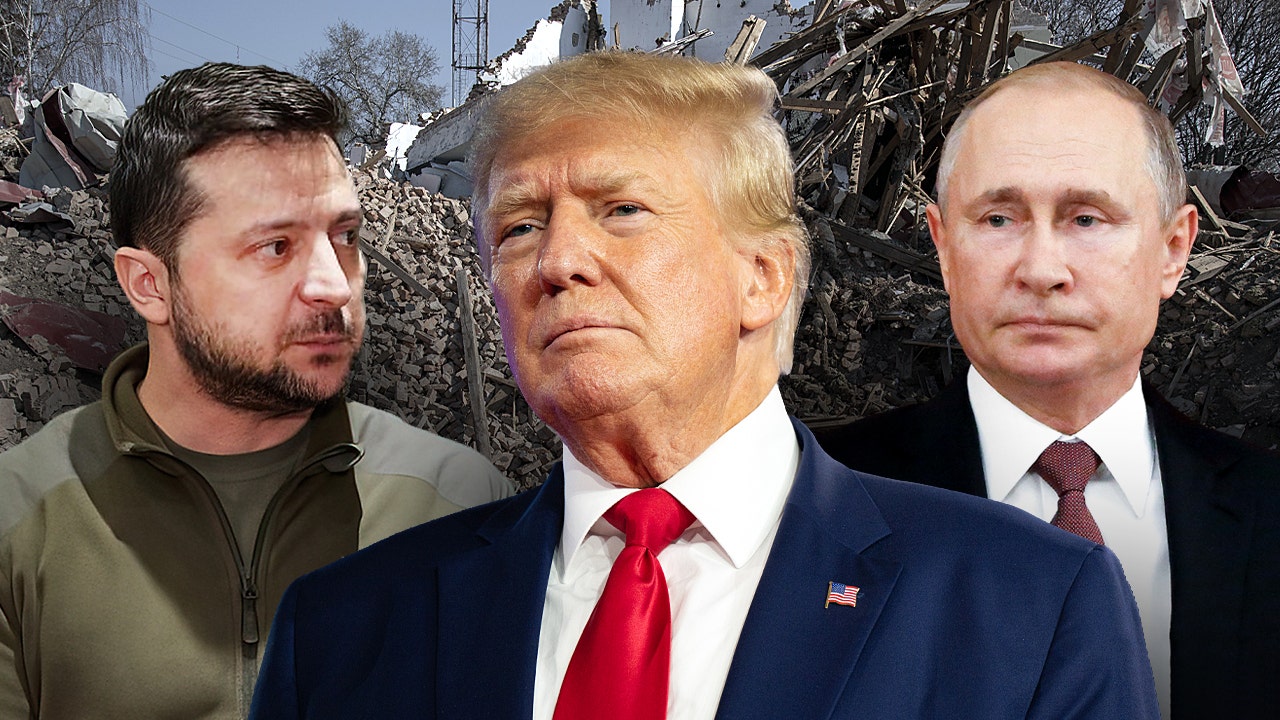
The diplomatic signals flashing between Washington and Tehran look like a breakthrough, but they are an illusion. On Day 78 of the Iran War, United States President Donald Trump and Iranian Foreign Minister Abbas Araghchi have both publicly aired their willingness to enter new negotiations. At the same time, a fragile ceasefire between Israel and Lebanon has been extended for another 45 days. Do not mistake this flurry of diplomatic paper for a path toward peace. The reality on the ground is a deadlocked conflict where the fundamental drivers of violence remain completely untouched, and the primary maritime choke point of the global economy remains under siege.
The central flaw in current reporting is the belief that talking equals stopping. It does not. While Araghchi revealed at a BRICS meeting that Tehran received backdoor communications from the Trump administration indicating openness to a broader agreement, he immediately highlighted a familiar, unyielding obstacle. The two sides are in a total deadlock over Iran’s enriched nuclear material. Trump has floated a proposal for Iran to freeze its civilian nuclear program for two decades in exchange for sanctions relief. Tehran views this as a demand for unconditional surrender wrapped in the language of diplomacy.
The Asymmetric Truce in Lebanon
The 45-day extension of the Lebanon ceasefire, mediated by the U.S. State Department, is being praised in Washington and Beirut as a foundation for lasting stability. That narrative collapsed within hours. Shortly after State Department spokesperson Tommy Pigott announced the extension, the Israeli military issued immediate evacuation orders for nine towns and villages in southern Lebanon. A subsequent strike on a civil defense center in the south killed at least six people, including three paramedics.
This is not a failure of the ceasefire; it is exactly how the ceasefire was designed. Israel and the United States have consistently maintained that operations against Hezbollah infrastructure are separate from the formal diplomatic track with the Lebanese state. Israel is treating the truce as a license to systematically dismantle the Radwan Force and its missile silos without facing the threat of a synchronized, full-scale state conflict with Lebanese conventional forces.
For the Lebanese government, accepting this lopsided arrangement is an act of sheer survival. The country’s health ministry reports that since the ground invasion and intense air campaigns renewed on March 2, nearly 3,000 people have been killed. By agreeing to Washington's security track, Beirut is attempting to preserve whatever municipal infrastructure remains intact, even as Israeli jets continue to strike targets across the south. It is a truce in name only, serving as a tactical pause for repositioning rather than a step toward demilitarization.
The Strategic Bottleneck at Hormuz
While the fighting in the Levant commands the headlines, the real center of gravity in this war is the Strait of Hormuz. The economic blockade of this waterway, which normally handles 20% of the world’s petroleum, has entered a bizarre new phase of legalistic piracy.
Iran has partially eased restrictions, allowing an increasing number of merchant vessels to pass through. However, this is not a concession to Western pressure. Iranian state television explicitly noted that passage is only granted because foreign capitals are actively complying with new, unilateral legal protocols established by the Islamic Revolutionary Guard Corps (IRGC) Navy.
Hormuz Transit Protocol (Day 78)
┌─────────────────────────────────┐
│  East Asian Fleets              │ ► Full compliance with IRGC protocols.
│  (China, Japan, Pakistan)       │   Unhindered passage.
├─────────────────────────────────┤
│  European Commercial Shipping   │ ► Active backchannel talks with IRGC.
│                                 │   Conditional transit pending terms.
├─────────────────────────────────┤
│  United States & Israel         │ ► Total blockade. High risk of kinetic
│                                 │   engagement and mining operations.
└─────────────────────────────────┘
The compliance list reveals a fracturing of the international maritime coalition. Commercial fleets from China, Japan, and Pakistan are moving through the strait unhindered because their governments have chosen to validate Tehran's wartime transit rules. More telling is the revelation that European nations have broken ranks with Washington and entered direct negotiations with the IRGC navy to secure their own transit exemptions.
Trump's recent return from Beijing highlights the limits of American leverage in this arena. While the U.S. president claimed that Chinese President Xi Jinping agreed that Tehran must reopen the strait, Beijing has given zero indication that it intends to apply actual pressure on its primary energy supplier. Trump’s public musings about lifting sanctions on Chinese oil firms in exchange for help at Hormuz show that Washington is running out of economic tools to break the blockade.
The Capital Under Siege
The diplomatic posturing from Tehran is happening against a backdrop of severe domestic devastation. The municipal government of Tehran recently released the first comprehensive assessment of the war’s toll on the Iranian capital. The data paints a grim picture of the operational reach of U.S. and Israeli precision air campaigns.
- Impact Incidents: Over 650 distinct missile and drone impacts recorded within the capital's limits.
- Human Casualties: More than 1,260 residents killed and 2,800 wounded in municipal areas alone.
- Housing Damage: Roughly 51,000 homes structurally compromised or totally destroyed.
- Civilian Transport: More than 11,000 vehicles destroyed, severely crippling the city's logistical and transport network.
These numbers explain why Araghchi is willing to look to China for diplomatic mediation, but they do not mean the Iranian state is on the verge of collapse. Trump’s assertions on Truth Social that Iran's leadership is in total turmoil and begging for the strait to be reopened misreads the nature of the regime's resilience. The state apparatus has tightened its grip, banning all exports of vital industrial goods like steel to conserve resources for a prolonged defense.
The Failed Logic of Escalation to De-escalate
The current diplomatic stalemate is the direct result of a flawed strategic premise: that overwhelming kinetic force would shock Iran into rapid, unconditional concessions. Washington’s air campaign has hit an estimated 75% of its initial target list, yet the core command architecture of the Iranian state remains operational. The Treasury Department’s strategy of forcing a total collapse of Iranian domestic fuel refining has triggered hyperinflation inside Iran, but it has failed to alter the geopolitical calculations of the Supreme National Security Council.
The war has reached an equilibrium of violence. Israel cannot permanently occupy southern Lebanon without sustaining unsustainable infantry losses, yet it cannot stop striking without allowing Hezbollah to reconstitute. The United States cannot force the Strait of Hormuz open without launching a massive, high-risk amphibious and naval campaign to clear thousands of sophisticated Iranian naval mines—an operation that Western naval analysts estimate could take up to six months and cost dozens of hulls.
Diplomats will continue to meet in New Delhi, Islamabad, and European capitals. They will issue communiqués detailing frameworks, phases, and conditions for peace. But as long as Washington demands the total dismantling of Iran's nuclear infrastructure as a prerequisite for peace, and as long as Tehran uses its stranglehold on global energy transit as its primary survival mechanism, these talk signals are white noise. The 45-day truce extension in Lebanon is a management strategy for an ongoing war, not a peace treaty. The conflict is not ending; it is just settling into a permanent, highly destructive routine.