The official line from Tehran is a study in calculated optimism. On April 12, 2026, Deputy Oil Minister Mohammad Sadeq Azimifar stood before state-affiliated media to declare that Iran would restore 80% of its refining and distribution capacity within a mere 60 days. It is a bold claim, coming just weeks after a series of devastating air strikes systematically dismantled the country's energy infrastructure. But in the gritty reality of mid-stream oil operations, steel and hardware do not respect political timelines.
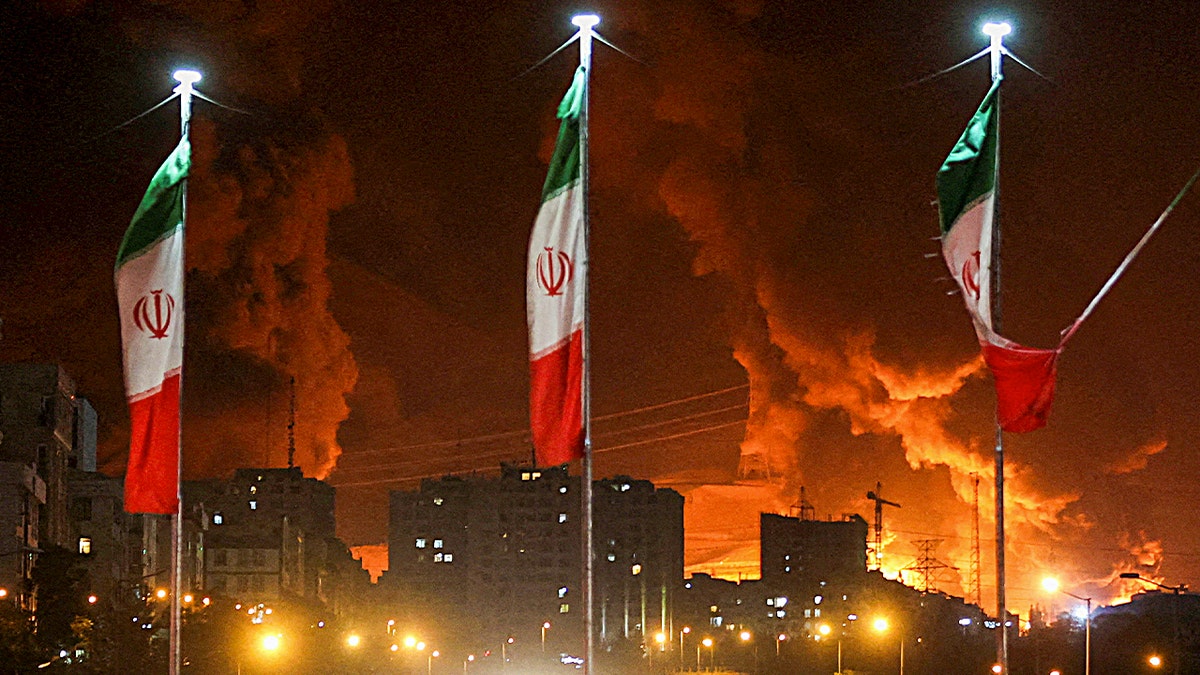
Iran is currently gasping for fuel. The strikes, which began in late February, targeted the very marrow of the Islamic Republic’s economic survival: the refineries at Lavan, the distribution hubs, and the critical export terminals at Kharg Island. While Azimifar promises that "relevant contractors" are already clearing debris, the math of reconstruction tells a much bleaker story than the Oil Ministry is willing to admit.
The Mirage of the Two Month Recovery
Restoring a refinery is not like repairing a bombed-out bridge. You cannot simply pour concrete and move on. Refineries are delicate, high-pressure ecosystems of interconnected thermal units, catalytic crackers, and bespoke instrumentation. When a precision missile hits a distillation column, it doesn’t just cause a fire; it creates a metallurgical nightmare.
The 60-day window suggested by the Ministry is likely a reference to patchwork stabilization—bypassing damaged secondary units to get raw, low-grade fuel flowing—rather than a return to actual operational capacity. To truly restore 80% of pre-war output, Iran needs specialized components that it cannot manufacture domestically. Thanks to decades of isolation, much of the sophisticated valving and control systems in plants like Lavan or Bandar Abbas are of Western or aging Chinese origin.
- Lead times for custom turbines and compressors typically range from six to eighteen months.
- Specialized alloys required for high-heat refining processes are strictly monitored under international dual-use export controls.
- Technical expertise is spread thin, as the IRGC-linked contractors prioritized for these jobs often lack the deep engineering bench of the global majors.
A Nation Running on Fumes
Before the strikes, Iran was already losing a quiet war against its own domestic consumption. In late 2025, daily gasoline demand surged to 126 million liters, while production struggled to hit 107 million. The deficit was being bridged by burning low-quality "petro-gasoline" and draining strategic reserves. Now, with the refining heart of the country under repair, that gap has become a canyon.
The consequences are visible at every street corner in Tehran and Isfahan. Long queues at the pumps are no longer just an occasional nuisance; they are a permanent feature of life in 2026. This creates a dangerous feedback loop for the regime. To keep the populace from rioting over fuel prices, the government must divert what little refined product it has away from industry and toward the consumer. This starves the manufacturing sector, further devaluing the rial and driving inflation toward triple digits.
The Russian Substitution Trap
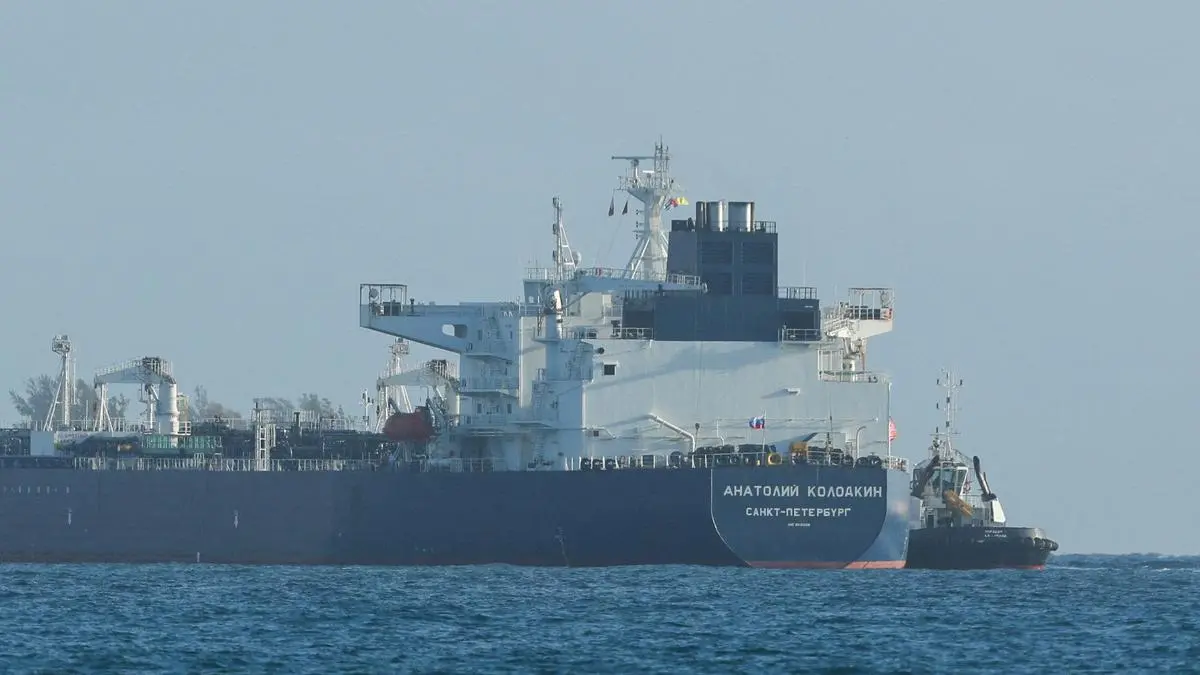
There is a irony in the current chaos that has not escaped the notice of global analysts. As Iranian production cratered, the world looked to Russia to fill the void. Between October 2025 and early 2026, Russian Urals crude saw its discounts widen to $30 per barrel due to secondary sanctions pressure. But the moment the missiles hit Iranian soil, the market shifted.
Suddenly, Russian oil became the "safe" alternative for Asian buyers who could no longer rely on the Persian Gulf. This has left Tehran in a precarious diplomatic position. Its primary geopolitical ally, Moscow, is the direct financial beneficiary of Iran’s infrastructure collapse. While the two nations share a "no-limits" rhetoric, the balance of power in the energy market has tilted decisively in Russia’s favor.
The Technology Gap Nobody Mentions
The most significant hurdle to Azimifar’s 60-day plan is the Digital Infrastructure. Modern refineries are managed by Distributed Control Systems (DCS). When a facility is struck, the physical damage is obvious, but the electronic "brain" of the plant is often fried by fires or power surges.
Iran has spent years trying to develop indigenous software for its energy sector, but the reality is a patchwork of pirated Western systems and older Chinese hardware. Replacing these systems requires more than just money; it requires access to the global supply chain for semiconductors and proprietary code. Without the ability to precisely control the cracking process, the risk of a catastrophic industrial accident during the "rapid" restart is exceptionally high.
Hard Truths for the Energy Market
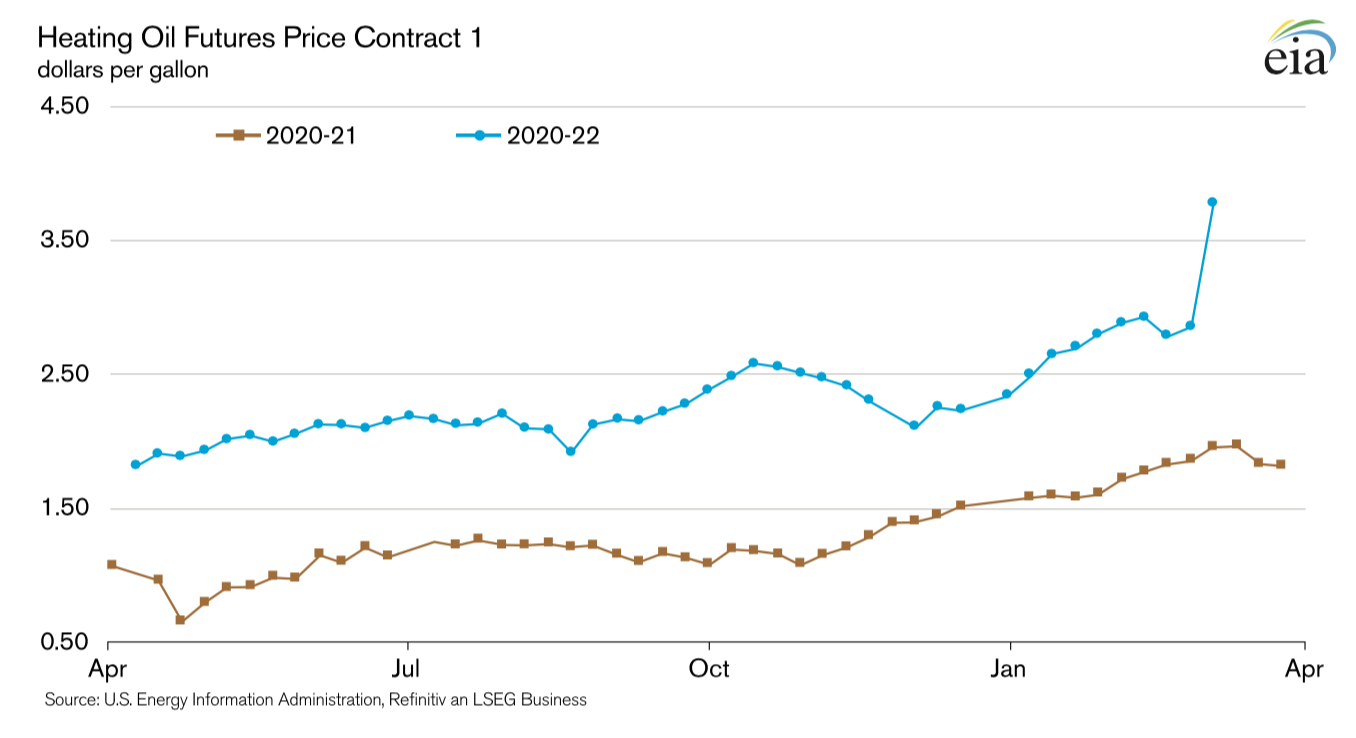
The global market is currently betting on a faster de-escalation, which has kept Brent prices from skyrocketing past the $100 mark. This is a mistake. The market is pricing in the words of the Iranian Oil Ministry rather than the physicality of the damage.
Even if the Lavan refinery resumes partial operations within ten days, as Azimifar claims, it will be producing a fraction of its nameplate capacity. The distribution network remains shattered. Pumping stations that move fuel from the coastal refineries to the northern population centers are down. Replacing a 5,000-horsepower electric motor or a high-capacity pump is not a 60-day task. It is a logistical marathon.
The regime is currently playing a game of theater, attempting to project strength to deter further strikes and calm its domestic base. But the smoke rising from the refineries tells a different story. Iran is facing a structural energy deficit that will persist long after the last piece of debris is cleared from the Lavan docks. The era of Iranian energy self-sufficiency has been set back by a decade, and no amount of optimistic press releases will change the molecular reality of a broken distillation tower.
The real test will come in the heat of the 2026 summer. If the refineries aren't fully operational by the time air conditioning demand spikes the national grid, the regime won't just be facing a fuel crisis—it will be facing a total systemic failure of the social contract. Reconstruction isn't about politics; it’s about parts, and right now, Tehran doesn't have them.