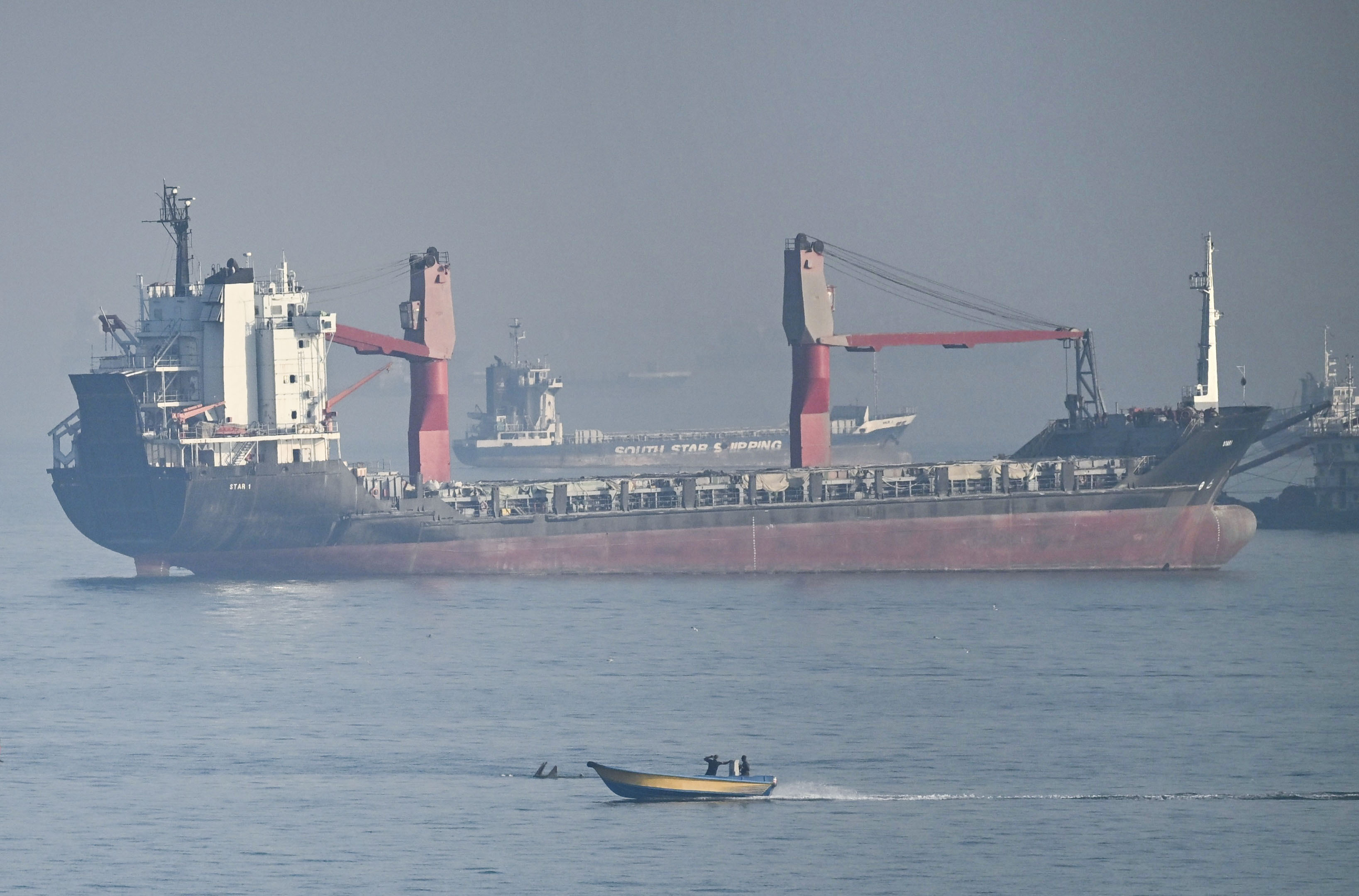
Donald Trump doesn’t do subtle. On Wednesday, the president laid out a binary choice for Tehran: sign the 14-point memorandum or watch the bombs start falling again. It’s a high-stakes moment in a war that’s already reshaped the Middle East since it broke out on February 28. While Iranian officials say they’re reviewing the U.S. proposal, the air in the region is thick with the scent of jet fuel and desperation.
The core of the issue isn't just about ending the shooting. It’s about the Strait of Hormuz. For weeks, Iran has kept a chokehold on this waterway, through which 20% of the world’s oil and gas flows. Trump’s new proposal, delivered through Pakistani mediators, hinges on one non-negotiable demand: the immediate reopening of the Strait to international shipping.
The 14 Point Ultimatum
This isn't a massive treaty yet. It’s a one-page memorandum of understanding designed to trigger a 30-day "cooling off" period. If Iran signs, both sides get a month to hash out the messy details like nuclear capacity and permanent maritime rights.
I’ve seen plenty of these "frameworks" fail, but this one has a different energy. It’s backed by a U.S. naval blockade that’s already strangling Iranian ports. Just hours before the proposal was publicized, a U.S. fighter jet shot the rudder out of an Iranian-flagged oil tanker in the Gulf of Oman. That’s not a diplomatic nudge; it’s a sledgehammer.
What is actually in the proposal?
- A 10-year ban on uranium enrichment: This is a major climb-down from the 20-year demand Trump made earlier this year.
- Full reopening of the Strait of Hormuz: No more harassment of tankers or "inspection" stops by the IRGC.
- 30-day negotiation window: A formal ceasefire to replace the fragile, unofficial one that’s held since early April.
- Economic normalization: The carrot at the end of the stick. If a final deal is reached, Iran gets back into the global economy.
Trump’s Shifting Narrative
You’ve got to keep up with the messaging, which changes by the hour. On one hand, Trump told reporters in the Oval Office that talks are "very good" and a deal is "very possible." Then, he hopped on social media to remind everyone that if Iran doesn't play ball, the bombing restarts.
It’s classic "Maximum Pressure" 2.0. By keeping the threat of kinetic action on the table, the administration hopes to capitalize on Iran’s internal struggles. The country is facing daily rolling blackouts and a crippled economy. Plus, there are reports that Supreme Leader Ayatollah Mojtaba Khamenei is still recovering from injuries sustained in the initial February strikes. Tehran is negotiating from a position of extreme vulnerability.
The Pakistan Connection
Pakistan has emerged as the indispensable middleman here. Foreign Ministry spokesperson Tahir Andrabi hinted on Thursday that an agreement is "sooner rather than later." Islamabad is exhausted from hosting these delegations, but they’re the only ones both sides seem to trust—or at least tolerate.
Prime Minister Shehbaz Sharif says his team is working "day and night" to bridge the gap. They have to. Any escalation between the U.S. and Iran spills over into Pakistan almost immediately, whether through refugees or regional instability.
Why This Time Might Be Different
Critics argue we’ve been here before. Every time a deal looks close, someone fires a missile or announces a new batch of sanctions. But 2026 feels different because the military reality has changed. Israel is striking Beirut’s southern suburbs, and the U.S. has proven it’s willing to sink ships to maintain its blockade.
Tehran’s foreign ministry spokesman, Esmaeil Baqaei, admitted they’re studying the "unacceptable" provisions, but the fact they’re still at the table says everything. They don't have many cards left to play. The "hell gates" threatened by Revolutionary Guard General Salami haven't opened yet, likely because they know the response would be total.
Real-world impact for you
If this deal goes through, expect oil prices to plummet almost instantly. The market is currently pricing in the "Hormuz Risk," and removing that bottleneck would be a massive relief for global energy costs. On the flip side, if the 30-day window isn't triggered, we’re looking at a return to full-scale aerial campaigns.
Keep an eye on the Pakistani mediators over the next 48 hours. If a signature doesn't happen by the weekend, the "indefinite" ceasefire currently in place won't mean much when the fuel runs out for those idling tankers. Watch the Strait. That’s where the real war is won or lost.


