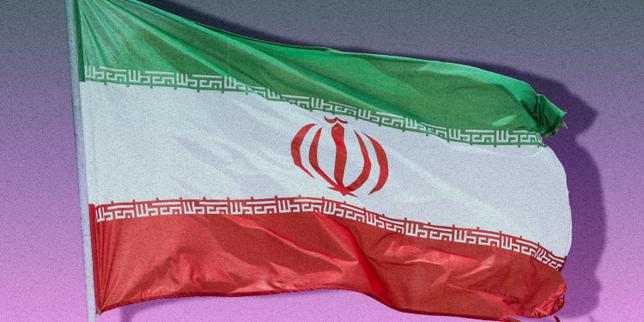
Iran isn't just a country on a map. It’s a living museum that’s being systematically dismantled. While the world watches geopolitical chess matches and nuclear talks, a much more permanent tragedy is unfolding inside the borders. Sepideh Farsi, the director behind the hauntingly beautiful The Siren, isn't just making movies. She’s sounding an alarm. She argues that what we're seeing today isn't just neglect. It’s a deliberate erasing of the Iranian soul. Heritage, culture, and the very environment that sustains them are under siege.
If you think this is just about old buildings or dusty artifacts, you’re wrong. It’s about identity. When a government lets its wetlands dry up or its ancient sites crumble, it’s cutting the roots of the people. Farsi’s perspective is sharp because she sees the connection between the political chokehold and the physical decay of the land.
Why the Destruction of Iranian Heritage Should Scare You
Heritage is the anchor of a nation. In Iran, that anchor is being hacked away. We often hear about the "Woman, Life, Freedom" movement. That’s the visible fire. But the background of that fire is a scorched earth. Farsi points out that the destruction isn't an accident. It’s a byproduct of a system that views pre-Islamic history and independent cultural expression as threats.
Take a look at the state of Persepolis or the historic bridges of Isfahan. These aren't just tourist spots. They’re the DNA of the Persian people. When maintenance budgets vanish or "development" projects prioritize short-term gain over preservation, a piece of history dies forever. You can’t rebuild a 2,500-year-old soul once it’s turned to dust.
The environmental side is just as grim. Lake Urmia, once one of the largest saltwater lakes in the world, is now a salt desert. This isn't just "climate change." It’s the result of decades of aggressive damming and mismanagement. When the water goes, the culture of the people living around it goes too. Farsi bridges this gap perfectly. She shows that you can't protect the people if you're killing the world they inhabit.
The Cinema of Resistance in an Era of Silence
Farsi’s work, especially her foray into animation with The Siren, is a clever way to bypass the censors and the physical limitations of filming in a restricted state. Animation allows her to recreate a lost world—Abadan in 1980, at the start of the Iran-Iraq war.
Abadan was a cosmopolitan hub. It was the heart of the oil industry. It was a place where different cultures collided. By recreating it, Farsi isn't just being nostalgic. She’s performing an act of reclamation. She’s showing the Iranian youth what was lost and what could be again.
Why Animation Matters Now
- It captures emotions that live-action sometimes misses.
- It bypasses the physical destruction of locations.
- It acts as a digital archive for a culture being erased.
Filmmaking in exile is a strange, painful thing. You’re telling stories about a home you can’t touch. Farsi lives this reality every day. She uses her lens to fight back against the "official" narrative pushed by the state. The Iranian government wants a monochrome culture. Farsi insists on Technicolor.
Environmental Collapse as a Tool of Control
Let’s talk about the dust. If you live in Ahvaz, you’re breathing in the death of your land. Sandstorms are now a daily reality. The mismanagement of water resources has turned fertile plains into bowls of dust. This isn't just a "green" issue. It’s a human rights issue.
When people are struggling to breathe or find clean water, they have less energy to fight for political change. Or so the theory goes. But in Iran, the environmental crisis has actually become a catalyst for protest. Farmers in Isfahan have marched for their water. People in Khuzestan have risked everything to demand the right to a livable environment.
Farsi highlights this intersection. She sees that the fight for the environment is the same as the fight for the heritage site. Both are about the right to exist in a space that remembers its past and promises a future. The authorities often treat environmental activists as spies. Why? Because these activists see the truth of the mismanagement. They see the scars on the land that the government tries to hide.
The Stolen Memory of a Generation
The youth in Iran are living in a weird Limbo. They have the internet, they see the world, but their own history is being curated and sanitized. Schoolbooks change. Museums are neglected. Music is silenced.
I’ve seen how this works. You start by changing the names of streets. Then you stop funding the restoration of certain monuments. Finally, you wait for the generation that remembers the "old way" to pass away. It’s a slow-motion cultural genocide.
Farsi’s voice is essential because she refuses to let that memory fade. Her films serve as a bridge. They connect the Gen Z protesters in the streets of Tehran with the rich, diverse history that predates the current regime by millennia.
Digital Preservation and the Global Responsibility
What can we actually do from the outside? It’s easy to feel helpless. But the first step is recognizing that the Iranian crisis isn't just a political one. It’s a loss for humanity.
We need to support the artists and archivists who are documenting what’s left. Digital twins of heritage sites, underground music archives, and independent cinema are the new front lines.
Ways to Support Iranian Cultural Integrity
- Support Exiled Artists: Their work is the only unfiltered look we get at the Iranian psyche.
- Amplify Environmental Activists: Groups like the Persian Wildlife Heritage Foundation need global recognition to stay safe.
- Question the Narrative: Don't just look at Iran through the lens of nuclear deals. Look at it through the lens of its people and their vanishing history.
We’re at a tipping point. Once a species goes extinct or a language dies, it's gone. The same applies to the unique cultural ecosystem of Iran. Farsi’s warning is clear: the destruction is happening right now, in real-time. We can't afford to look away.
If you care about history, you have to care about Iran. If you care about the planet, you have to care about the Zagros mountains and the dying lakes of the Iranian plateau. The culture and the land are one. Save one, and you might just save the other. Stop treating these as separate issues and start seeing the big picture. The Iranian people are fighting for their lives, but they're also fighting for their right to have a history. Don't let them fight alone. Pay attention to the stories being told by those who refuse to be silenced. Watch the films. Read the banned books. Keep the memory alive. That’s how the destruction is stopped.



