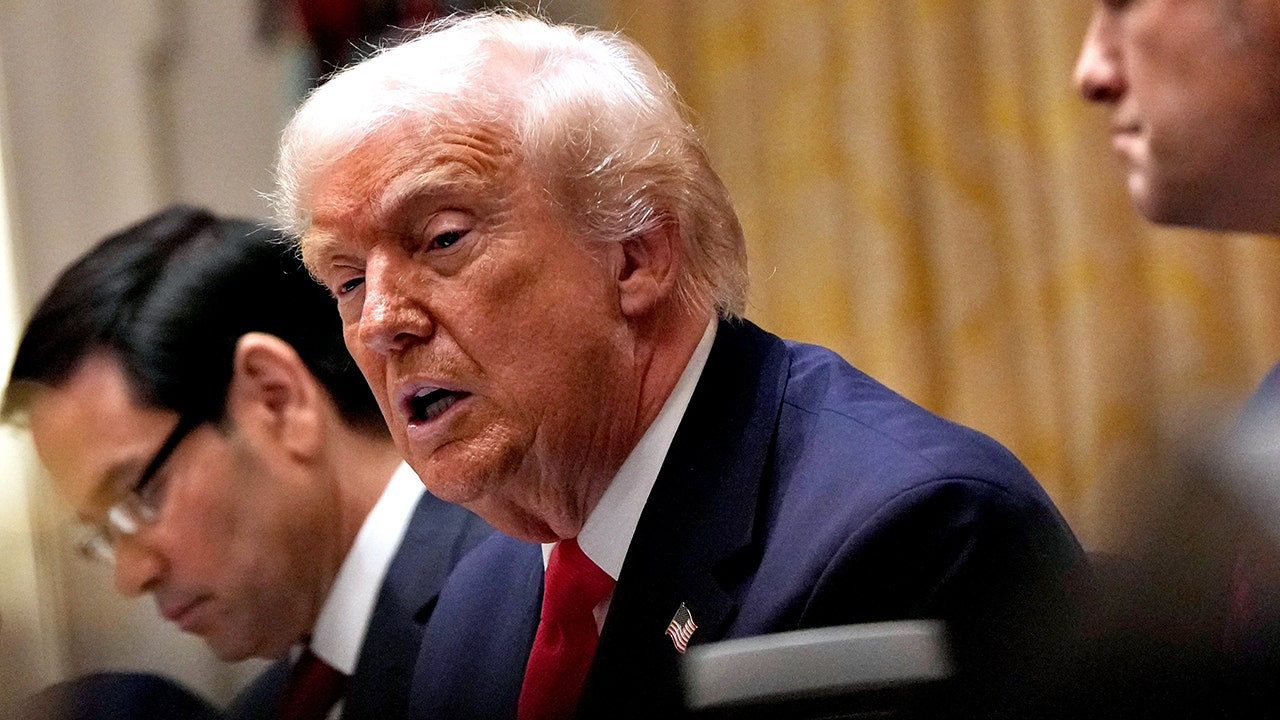
Tehran just called its latest counter-proposal to the United States "reasonable and generous," but Donald Trump isn't buying it. Not even a little bit. On Sunday, the President took to Truth Social to blast the Iranian response as "totally unacceptable," effectively slamming the door on what many hoped would be a diplomatic exit from a month of regional chaos.
The stakes couldn't be higher. We’re looking at a world where the Strait of Hormuz—the jugular vein of global energy—is essentially under lock and key. Brent crude is dancing around $105 a barrel, and the "maximum pressure" campaign is back with a vengeance. If you’re wondering why a deal that Iran describes as a gift to regional stability is being treated like a non-starter in Washington, you’ve got to look at the fine print and the history of "delay, delay, delay" that has defined this standoff.
The Core of the Iranian Counter-Proposal
Iran’s Foreign Ministry spokesperson, Esmail Baghaei, spent Monday morning defending Tehran’s stance. From their perspective, they’re being the adults in the room. They’ve framed their response not as a list of demands, but as a roadmap to peace.
The "generous" terms they put on the table include:
- A permanent end to the war on all regional fronts.
- Lifting the U.S. naval blockade that has crippled Iranian trade.
- Returning frozen Iranian assets held in foreign banks.
- Ending the ban on Iranian oil sales to the global market.
- A 30-day window for intensive negotiations toward a long-term agreement.
On paper, it sounds like a standard peace deal. But the devil is in what Iran didn't offer. Baghaei was blunt: Iran isn't ready to talk about its nuclear program yet. They want the blockade lifted and the war ended before they even consider discussing their stockpile of highly enriched uranium (HEU). They're basically asking for all their rewards upfront while keeping their best cards—the centrifuges and the uranium—firmly in their pocket.
Why the White House Rejection Was So Swift
Trump’s reaction wasn't just about the terms; it was about the timing. He’s accused Iran of playing the same game for 47 years. In his view, every day spent "negotiating" is another day Iran spends enriching uranium and tightening its grip on the Strait of Hormuz.
The U.S. side, backed heavily by Israel, has a very different set of "red lines" that Iran’s proposal completely ignored. Washington wants:
- The immediate removal of Iran's 400kg stockpile of highly enriched uranium.
- A 20-year moratorium on all nuclear enrichment activities.
- The full dismantling of key nuclear facilities.
- Guaranteed open access to the Strait of Hormuz for all international shipping.
Iran’s response offered to "dilute" some uranium and move the rest to a third country, but they refused to dismantle any facilities. They also demanded sovereignty over the Strait of Hormuz after the war ends—a move that would give Tehran a permanent "off switch" for 20% of the world's oil trade. To Trump, that’s not a peace deal; it's a surrender.
The Reality of the Strait of Hormuz Blockade
It’s easy to get lost in the diplomatic back-and-forth, but the real-world impact is at the gas pump. Since the war flared up on February 28, the Strait of Hormuz has been a no-go zone for any vessel without Tehran’s explicit permission.
This isn't just a local spat. We’re seeing daily rolling blackouts across Iran because of their own electricity shortages, while the rest of the world deals with the inflationary shock of $100+ oil. The U.S. has already disabled Iranian tankers in the region, and drone strikes are becoming a daily occurrence. The ceasefire that everyone hoped would hold is looking more like a brief pause to reload.
Expert Take on the Negotiating Table
If you’ve watched these cycles before, you know that "reasonable" is a relative term. To a diplomat in Tehran, asking for the end of a blockade before giving up national defense assets feels like common sense. To a hawk in D.C., it looks like a stalling tactic designed to let Iran reach the nuclear finish line.
Benjamin Netanyahu hasn't minced words either. He told "60 Minutes" that if negotiations don't get the nuclear material out of Iran, the U.S. and Israel are ready to "reengage militarily." We aren't just talking about sanctions anymore. We’re talking about the very real possibility of a larger conflict if this diplomatic gap doesn't close—and fast.
What Happens Next
Don't expect a sudden breakthrough. The rhetoric is hardening. Iran is leaning into its "Axis of Resistance" and threatening to "open hell gates" if invaded, while the U.S. Treasury continues to slap sanctions on any entity—including Chinese firms—that helps Iran move oil.
If you're tracking this for your business or investments, keep an eye on:
- Oil Volatility: Expect Brent crude to stay high as long as the Strait is contested.
- Secondary Sanctions: The U.S. is going after anyone buying Iranian petrochemicals.
- The 30-Day Clock: Iran wanted a month of talks; Trump wants results yesterday.
The "generous" offer from Tehran has been weighed and found wanting in Washington. Now, the question is whether anyone is willing to blink before the "totally unacceptable" turns into "totally unavoidable" military escalation.
Trump rejects Iran's peace proposal
This video provides a direct look at the escalating tensions and President Trump's social media response to the Iranian proposal.