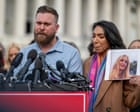
The British Monarchy thrives on its image as a moral compass for the nation. But when it comes to the victims of Jeffrey Epstein, that compass seems stuck. Virginia Giuffre’s brother, David Roberts, recently voiced a frustration that’s been simmering for years. He isn’t just asking for an apology. He’s asking for a meeting. He wants King Charles III to sit down with the people whose lives were shattered by a network his own brother, Prince Andrew, was famously entangled with. It’s a bold demand, yet it highlights a massive gap in the Palace's strategy of silence.
Ignoring survivors doesn't make the scandal go away. It makes the institution look cold.
The Royal Refusal to Acknowledge the Human Cost
David Roberts isn't holding back. He’s pointed out the glaring hypocrisy of a King who champions global causes but won't look a survivor in the eye. While Charles has spent decades advocating for the environment and social cohesion, the Epstein saga remains a "no-go" zone. For Roberts and Giuffre, this isn't about legalities anymore. It's about basic human decency. They see a monarch who has the power to validate their pain with a single gesture but chooses to look the other way.
The Palace line has always been that Prince Andrew is a private citizen now. That's a convenient shield. But Andrew didn't meet Epstein as a private citizen. He met him as a representative of the Crown. That connection is why the public cares. It’s why the victims feel slighted. When the King refuses to engage, he’s effectively saying that the survival of the institution’s reputation matters more than the healing of individuals harmed by its members.
Why a Meeting Matters More Than a Statement
Think about the power of a royal audience. Throughout history, the British Monarchy has used its platform to shine a light on forgotten groups. We’ve seen Charles meet with survivors of various atrocities and disasters. So, why are the Epstein survivors different?
The answer is obvious but ugly. It’s too close to home.
By meeting with someone like Virginia Giuffre, King Charles would be implicitly acknowledging that the accusations against his brother carry weight. It’s a PR nightmare for the Firm. But Roberts argues that the current "head in the sand" approach is actually worse. It paints the King as someone who only cares about social justice when it’s comfortable. Real leadership means addressing the scandals within your own house.
Honestly, the silence is deafening. It sends a message to every survivor of sexual abuse that if your abuser has a title, you don't exist. That’s a dangerous precedent for a modern monarch to set.
The Prince Andrew Problem That Won't Die
We can't talk about the King’s silence without talking about the Duke of York. Prince Andrew’s 2022 settlement with Virginia Giuffre was supposed to be the end of the story. It wasn't. Because the settlement involved no admission of guilt, it left a permanent asterisk over the Royal Family.
- The public never got closure.
- The survivors never got an apology.
- The Monarchy never truly distanced itself from the rot.
Charles has stripped Andrew of his HRH title and his official duties. He’s moved him out of Buckingham Palace. On paper, he’s done the "correct" things. But these are administrative punishments. They don't address the moral vacuum left behind. David Roberts is right to call this out. You can’t just delete a family member from the website and pretend the victims they left in their wake don't have voices.
The Precedent for Royal Accountability
Other monarchies have handled internal scandals with far more grace. Look at how some European houses have addressed historical wrongs or personal failings of their members. They don't always get it right, but there’s often a more direct line of communication. The British Royal Family, however, treats transparency like a threat.
They rely on the "never complain, never explain" mantra. That worked in 1950. It doesn't work in 2026. In an era where accountability is the primary currency of public trust, silence looks like complicity. If Charles wants to be a "King of the people," he has to include the people his family hurt.
Breaking the Cycle of Avoidance
So, what should happen? If the King actually listened to Roberts, the first step would be a private meeting. No cameras. No press releases. Just a conversation.
Critics say this would open the floodgates for more demands. Maybe. But the alternative is a slow, painful erosion of the Monarchy’s moral authority. People don't expect the King to be perfect, but they do expect him to be empathetic. Right now, the refusal to meet with Epstein survivors looks like a lack of empathy. It looks like a King who is more afraid of a headline than he is concerned with justice.
The survivors aren't going away. Virginia Giuffre has spent years fighting for a voice, and her brother is clearly ready to keep that fire burning. The Palace can keep pretending the issue is settled, but as long as the victims feel ignored, the shadow of Jeffrey Epstein will hang over every Royal event, every tour, and every speech about "service."
True service starts with facing the truth. The King needs to decide if he wants his legacy to be defined by his environmentalism or by his willingness to protect his own at the expense of the vulnerable.
For those following this case, the best path is to keep the pressure on. Support organizations that advocate for survivors of human trafficking. Stay informed through independent journalism that isn't afraid to ask the Palace tough questions. The power of the Crown only exists because the public allows it. When that public demands accountability, even a King has to listen eventually.