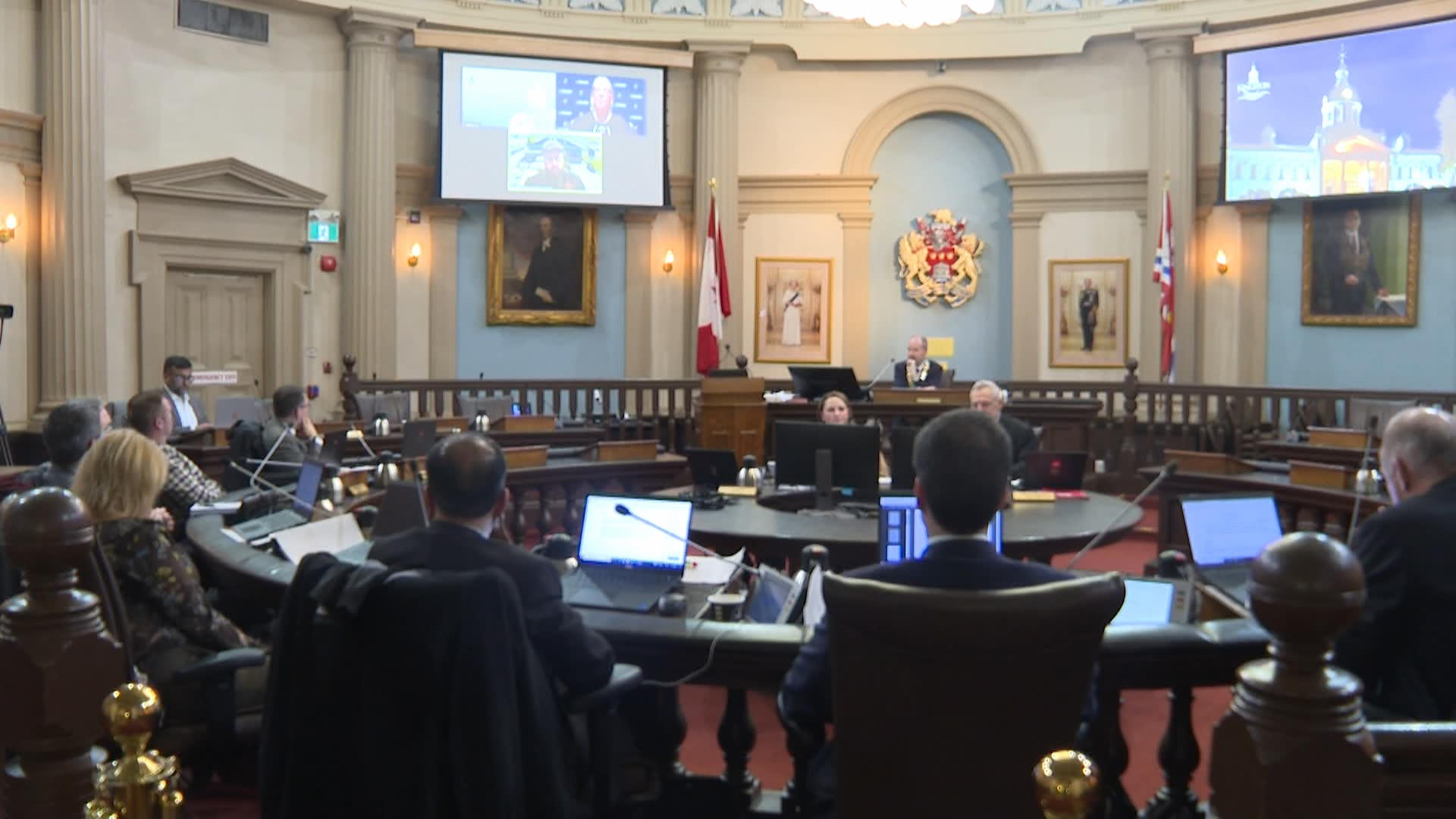
Kingston City Council has finally acknowledged what taxpayers have felt for years. The city’s recent vote to overhaul its long-term financial strategy is not a proactive choice but a forced hand, driven by a crumbling infrastructure deficit and a reliance on dwindling provincial transfers. For the average resident, this means the era of artificially low property tax increases is over. Council is now tasked with reconciling a decades-old "pay-as-you-go" mentality with the expensive reality of a growing urban center that needs billions in upgrades.
The math is brutal.
For years, Kingston has operated on a knife’s edge, balancing the books by deferring essential maintenance on roads, sewers, and public buildings. This practice, often politically convenient during election cycles, has created a massive backlog. When you stop fixing the roof to save money on the monthly budget, the eventual bill doesn't just stay the same; it grows exponentially as water damage rots the rafters. Kingston’s "rafters" are now showing significant signs of decay, and the council’s recent vote is an admission that the emergency fund is dry.
The Infrastructure Deficit Trap
Local governments across the country are facing a similar reckoning, but Kingston’s situation is sharpened by its unique geography and aging historic core. The city’s asset management plan suggests that to simply maintain the status quo—not even to improve it—requires a level of capital investment that currently exceeds projected revenues.
When a city council "votes to address budget strains," they are usually using code for two things: service cuts or tax hikes. In Kingston’s case, the debate has shifted toward a "sustainability levy," a dedicated tax increase specifically earmarked for capital reserves. While this sounds responsible on paper, it places an immediate burden on a population already squeezed by a housing crisis and inflation.
Why the Old Model Failed
The previous strategy relied heavily on the hope that federal and provincial grants would bridge the gap. That hope has soured. As senior levels of government tighten their own belts, municipalities are being told to find "efficiencies." However, you cannot find enough efficiencies in library hours or snow plowing schedules to fund a $50 million bridge repair or a new wastewater treatment facility.
Infrastructure aging cycles are predictable, yet councils frequently treat them as surprises. A road built thirty years ago has a known expiration date. By failing to set aside the replacement cost incrementally over those three decades, the city now faces a "lump sum" crisis. This is the definition of fiscal negligence masquerading as "holding the line on taxes."
The Housing Paradox and Revenue Gaps
Kingston is aggressively pursuing population growth to expand its tax base. The logic is simple: more people mean more taxpayers, which means more revenue. But this growth comes with a hidden price tag. New developments require new roads, extended utility lines, and increased police and fire services.
Often, the development charges collected from builders do not cover the full lifecycle cost of the new infrastructure. This creates a growth deficit. The city spends more to service the new residents than it collects in new taxes for the first several years. If the city does not fix its underlying budget structure now, every new subdivision built on the outskirts of the city actually makes the long-term financial problem worse, not better.
The Transit and Climate Change Factor
Council’s commitment to "Green" initiatives adds another layer of financial complexity. Transitioning a municipal fleet to electric vehicles or retrofitting older public buildings for energy efficiency requires massive upfront capital. While these moves theoretically save money on fuel and maintenance over twenty years, the city is struggling to find the cash for year one.
The political friction here is palpable. Some council members argue that climate goals are a luxury the city cannot afford while its basic social housing stock is in disrepair. Others argue that ignoring the climate transition will lead to even higher costs later due to carbon taxes and extreme weather damage to city property.
The False Promise of Efficiencies
During the recent sessions, there was much talk about "optimizing departmental workflows." This is the kind of bureaucratic language that sounds good in a press release but rarely yields significant savings. In a municipal budget, the largest expenses are labor and policing.
Unless the council is willing to reduce headcount or renegotiate union contracts—both of which are politically radioactive and legally difficult—the "efficiencies" found in office supplies or travel budgets are mere rounding errors. To truly balance the scales, Kingston must look at service level adjustments. This means asking the public a hard question: Are you willing to have your street plowed less often or your local park mowed less frequently in exchange for a stable tax rate?
The Debt Ceiling Reality
Kingston has historically prided itself on low debt levels. While being debt-free is a noble personal goal, for a city, it can be a sign of stagnation. Using debt to fund long-term assets—like a bridge that will last fifty years—is a standard practice that spreads the cost across the generations that will actually use the asset.
However, interest rates are no longer at the historic lows seen in the 2010s. Borrowing $100 million today is significantly more expensive than it was four years ago. The council is caught in a pincer movement: they need to borrow to fix the infrastructure, but the cost of borrowing is eating into the very budget they are trying to save.
Provincial Finger-Pointing
A significant portion of the "strain" discussed by council originates at the provincial level. Over the last two decades, provinces have "downloaded" responsibilities to municipalities without providing the corresponding funding. Social housing, public health, and certain emergency services are now largely funded by property taxes—a revenue tool never designed to support social safety nets.
Property taxes are a "blunt instrument." They do not track with income or profit; they only track with property value. This means a senior on a fixed income pays the same increase as a high-earning professional if their houses are valued similarly. By using property taxes to fund provincial-scale social problems, Kingston is essentially asking its homeowners to act as a mini-welfare state.
The Strategy for Survival
The vote to address these strains involves a multi-year plan that will likely see property tax increases pegged above the rate of inflation for the foreseeable future. It also involves a more aggressive stance on "user-pay" models. Expect to see higher fees for recreation programs, parking, and permit applications.
This shift moves the burden from the general taxpayer to the specific user of the service. While economically logical, it risks making the city less accessible to lower-income residents. The "Definitive Plan" being touted is less of a solution and more of a survival map. It acknowledges that the city has been living beyond its means by neglecting its assets, and the time has come to pay the bill.
The hard truth is that there is no hidden pot of gold. No amount of "innovation" or "digital transformation" will replace the need for cold, hard cash to repave a road or support a homeless shelter. The council's recent decision is an attempt to stop the bleeding, but the patient remains in critical condition. Residents should prepare for a decade of austerity disguised as "fiscal responsibility," where the primary goal isn't to build a shining city on a hill, but simply to keep the pipes from bursting and the lights from flickering out.
Every dollar not spent on maintenance today is three dollars spent on emergency repairs tomorrow. Kingston has finally stopped pretending otherwise. Now comes the painful part of actually writing the checks.