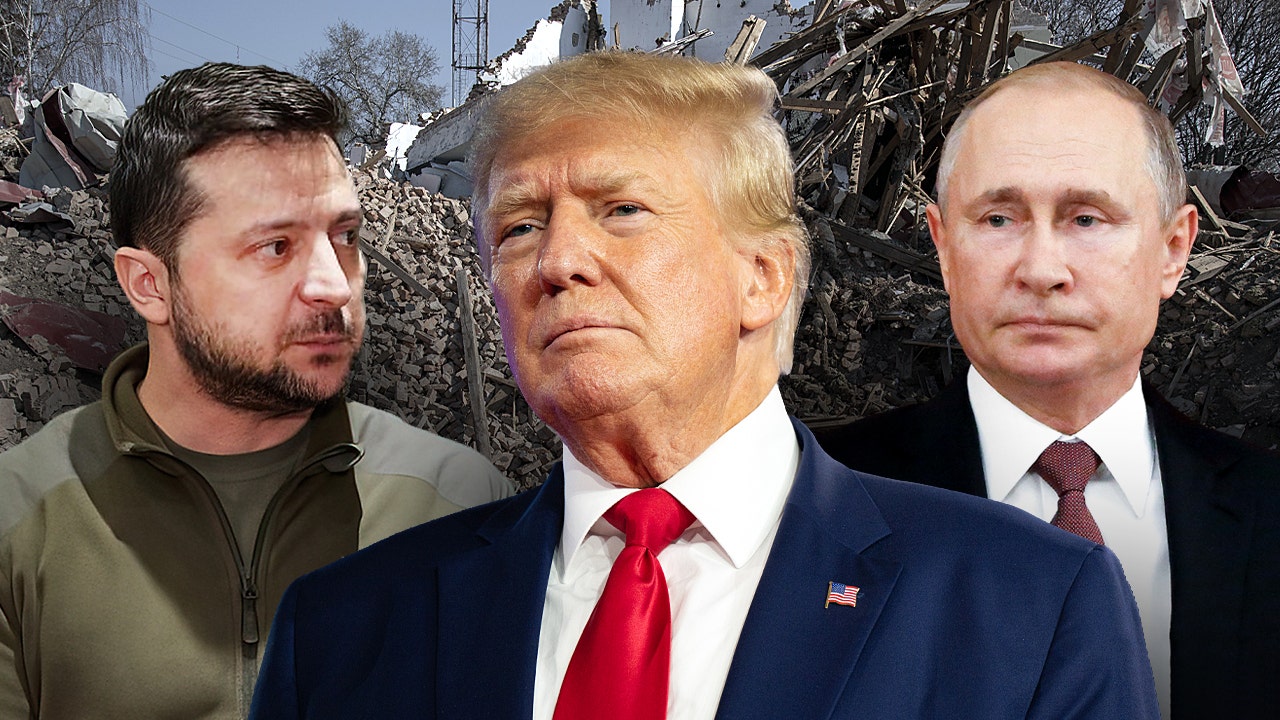
The illusion of an imminent peace deal vanished into the rubble of a Kyiv apartment block on Thursday morning. For months, political commentators and Western leaders talked about a rapidly closing window for a negotiated settlement. Then came Russia's heaviest aerial bombardment since the 2022 invasion.
A single Kh-101 cruise missile slammed directly into a nine-story residential building in Kyiv's Darnytskyi district. It didn't just clip the roof; it literally leveled an entire section of the structure. When the emergency teams finally finished digging through 3,000 cubic meters of concrete and shattered brick after a grueling 28-hour search, the grim reality set in. Twenty-four people were dead. Three of them were teenagers.
If anyone thought the Kremlin was ready to pack up and talk terms, this week blew that theory to pieces.
The Myth of the Three Day Ceasefire
The timing of this attack tells you everything you need to know about Moscow's actual strategy. The strikes began just hours after a fragile, three-day ceasefire expired. US President Donald Trump had brokered the brief pause, which ran from May 9 to May 11, hoping it would serve as a stepping stone toward broader diplomatic talks.
It didn't.
While the fighting slowed down slightly over those 72 hours, Russia used the time to prep its launch pads. The subsequent onslaught involved over 1,560 drones and dozens of advanced missiles fired over three consecutive days. Ukrainian air defenses stayed busy, knocking down 652 drones and 41 missiles in the main Kyiv barrage alone, but the sheer volume guaranteed that some weapons would slip through the net.
Aboard Air Force One, Trump admitted to reporters that the Ukrainians "took a big hit" and noted the strikes could severely set back peace efforts. That's putting it mildly. It's tough to talk compromise when the state you're negotiating with is systematically targeting residential neighborhoods on the left bank of the Dnipro River.
Breaking Down the Retailiation
Ukrainian President Volodymyr Zelenskyy didn't mince words after visiting the Darnytskyi site, where he laid red roses near a makeshift memorial piled high with children's toys. He made it clear that Kyiv's patience has run out.
"Ukraine will not allow any of the aggressor's strikes that take the lives of our people to go unpunished," Zelenskyy stated following an emergency meeting with top military and intelligence chiefs.
Kyiv isn't waiting around for the international community to draft strongly worded letters, either. Hours after the apartment block collapsed, Ukraine launched a massive, long-range drone counter-offensive deep inside Russian territory. The primary target? The massive Ryazan oil refinery, located in a central Russian city roughly 200 kilometers southeast of Moscow.
Witnesses in Ryazan reported multiple impacts that triggered a massive blaze at the refinery, which is one of Russia's largest fuel production hubs. Russian officials claimed the drone strikes also damaged local high-rise apartments and killed four people, quickly opening a "terrorism" investigation. From Kyiv's perspective, hitting Russia's energy infrastructure is entirely justified. If Russia uses oil money to build missiles, then Russia's oil refineries are fair game.
The Sanctions Loophole is Killing Civilians
Here is the most frustrating detail about the weapon that struck the Kyiv housing block. Initial forensic analysis of the Kh-101 missile wreckage revealed something alarming: it was manufactured in the second quarter of this year.
Think about that. We are in May 2026. Global sanctions have been in place against Russia's defense sector for over four years. Yet, the Kremlin is still successfully importing Western-made microchips, precision tools, and specialized components required to build modern cruise missiles.
They are bypassing trade restrictions through complex supply chains running through third-party nations. Zelenskyy emphasized that stopping these sanctions evasion schemes must become a real priority for Western partners, not just a talking point. As long as the components flow, the factories in Russia keep running, and the missiles keep falling.
Where the Conflict Goes From Here
The geopolitical ripples of the Darnytskyi strike are already shifting positions across Europe. At a summit of 46 European foreign ministers in Moldova, the Council of Europe announced it is actively moving toward establishing a dedicated war crimes court to prosecute Russia’s leadership.
Simultaneously, Kyiv intelligence warns of intercepted Russian plans targeting Ukraine's "decision-making centers," meaning key government and military offices in the heart of the capital could face decapitation strikes next. There are also mounting concerns over Moscow's efforts to drag Belarus directly into a new offensive operation, threatening either northern Ukraine or a neighboring NATO border.
The immediate next steps aren't found in a Geneva conference room. Kyiv has initiated a two-pronged strategy to manage the fallout:
- Accelerated Air Defense Procurement: Ukrainian diplomats are bypassing standard diplomatic channels to secure immediate transfers of Patriot and SAMP/T systems to cover major population centers.
- Targeting the Supply Chain: Ukraine's intelligence services are sharing raw missile component data directly with Western corporate compliance officers to cut off the specific distributors leaking tech to Russia.
Amidst the escalation, a massive swap of 205 prisoners of war went through on Friday, brokered by the United Arab Emirates. It is supposed to be the first phase of a larger 1,000-to-1,000 exchange. But don't mistake that logistical trade for diplomatic progress. The trust required for actual peace talks isn't just broken; it was buried under nine stories of rubble.