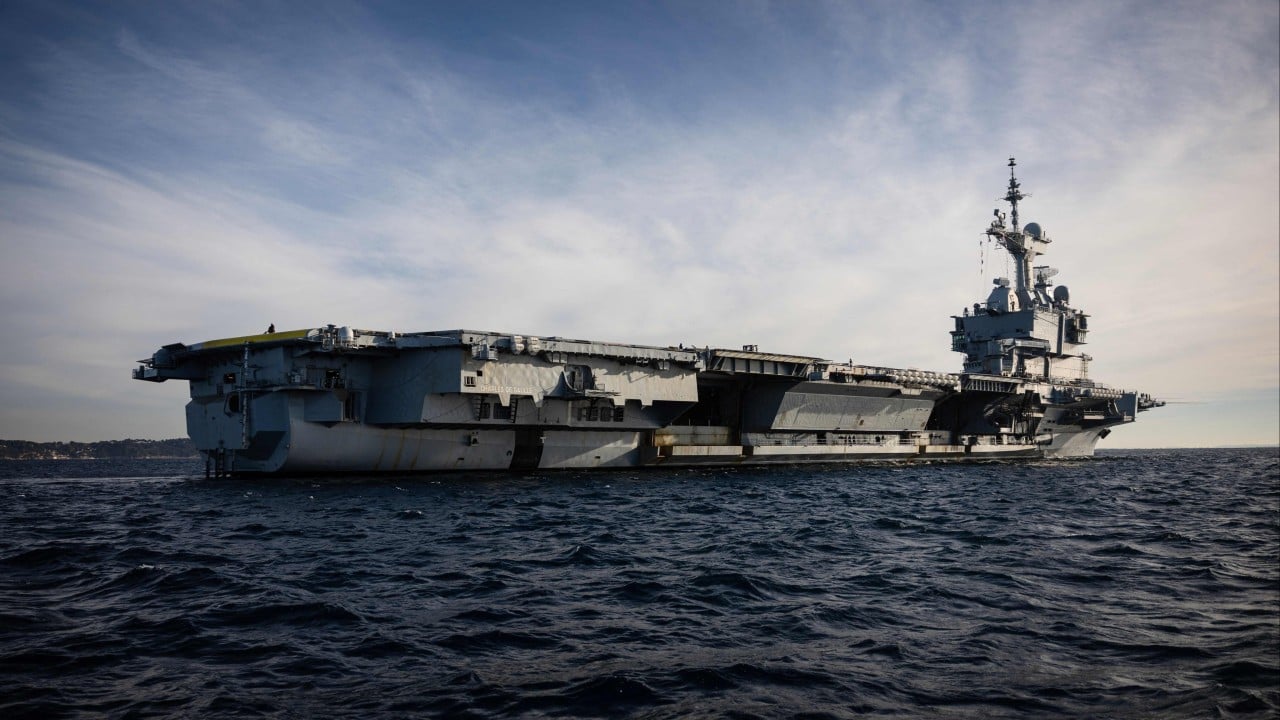
The ink on a diplomat’s pen doesn't just represent a policy shift. It represents a heartbeat. Somewhere in a quiet suburb of Tehran, a father counts his remaining rials and wonders if the price of bread will stabilize. Somewhere in a Washington briefing room, a young analyst stares at a satellite map of the Persian Gulf, tracking the slow, rhythmic movement of steel hulls through dark water. These are the ghosts in the room when leaders talk of deals, "big wins," and the terrifying finality of being "too late."
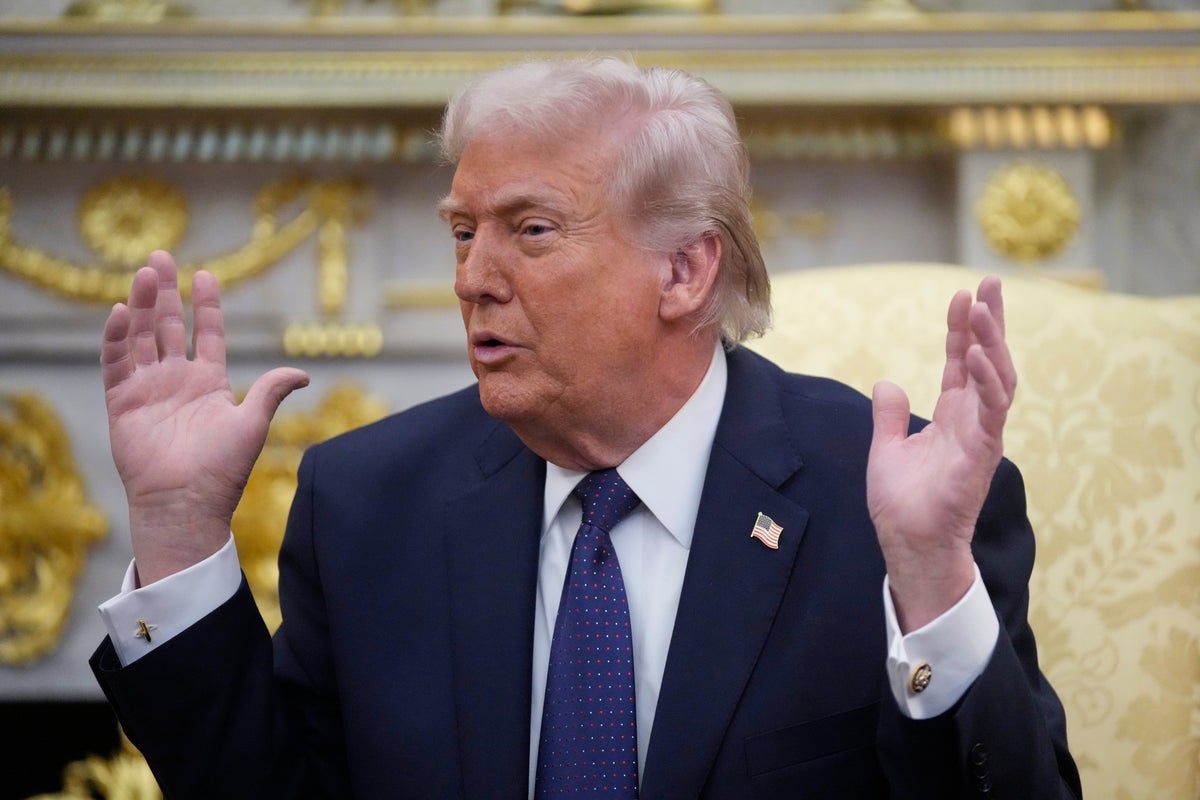
The recent declaration from the American presidency—that the window for an Iranian nuclear bargain has slammed shut—is not just a headline. It is a tectonic shift. It is the sound of a heavy iron bolt sliding into place. For years, the relationship between these two nations has resembled a high-stakes poker game played in a room filling with smoke. But now, one player has stood up, pushed his chair back, and told the world that the game is over because he’s already won.
To understand the weight of this moment, you have to look past the podiums. You have to look at the leverage.
The Mirage of the Negotiating Table
Imagine two neighbors who haven't spoken in forty years. They share a fence that is electrified and topped with concertina wire. Every few years, one neighbor leans over and suggests a truce. But trust isn't a light switch; it’s a forest that takes decades to grow and only minutes to burn down.
When the Iranian leadership recently signaled a willingness to return to the table, they weren't doing it out of a sudden change of heart. They were doing it because the walls were closing in. Sanctions are often described in dry, economic terms, but their reality is visceral. They are the empty pharmacy shelves. They are the aging airplanes held together by prayers and smuggled spare parts. They are the silent factories.
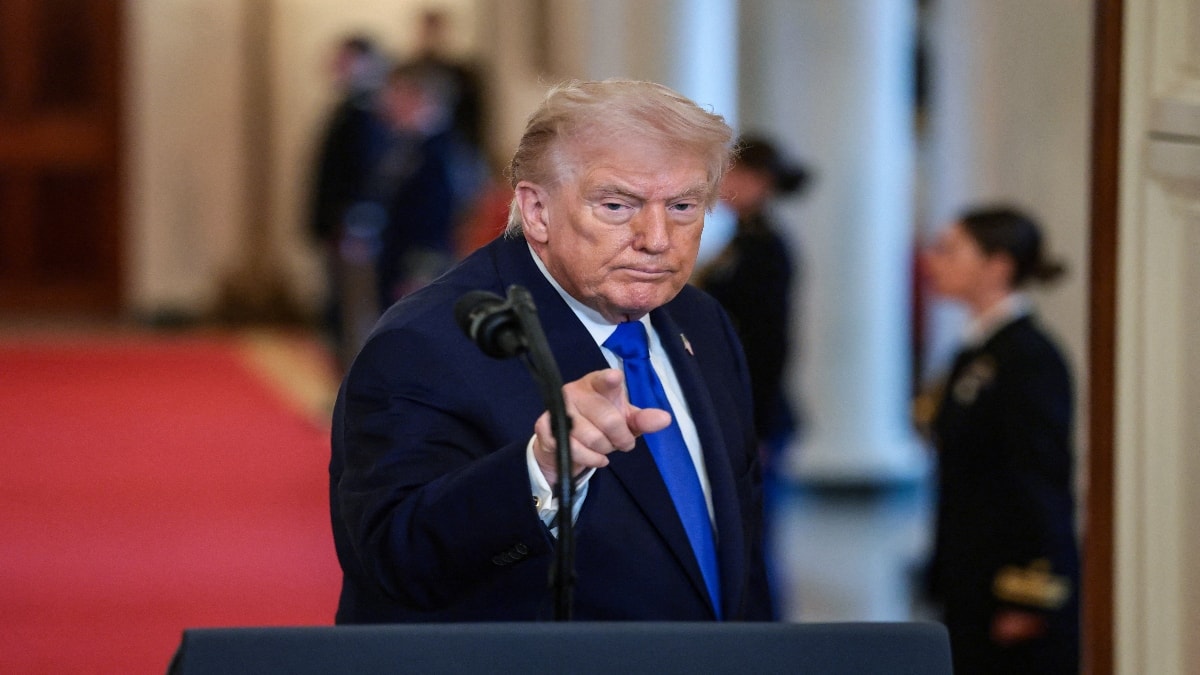
The American response was swift and surgical: "Too late."
There is a specific kind of power in refusing to talk. It’s a psychological tactic that flips the script of traditional diplomacy. Usually, the "big win" is the treaty. It’s the photo op with the pens and the flags. But the current American stance suggests that the win has already been achieved through sheer attrition. Why sit down to negotiate for a piece of the pie when you believe you already own the bakery?
The Inventory of Strength
The rhetoric coming out of the White House isn't just about a missed opportunity; it’s a boast about a full pantry. The claim that the United States is "stocked" to win big isn't just a reference to grain silos or oil reserves. It’s a reference to a complex web of military readiness, energy independence, and a global financial system that still runs on the dollar.
Consider the shift in the energy landscape. Twenty years ago, a sneeze in the Strait of Hormuz would send shockwaves through every gas station in midwestern America. Today, the United States is a net exporter. The leash is longer. The stakes, while still high, have changed their shape. When a leader says the country is stocked, they are telling the adversary that their primary weapon—the threat of global economic sabotage—has lost its edge.
But this isn't just a story of cold steel and oil barrels. It’s about the human cost of a missed connection.
Every time a "deal" is rejected, a different kind of clock starts ticking. In the absence of a handshake, there is only the buildup. More centrifuges spinning in the dark. More carrier strike groups moving into position. More shadow boxing in the form of cyberattacks and proxy skirmishes. We are no longer in the era of "preventative diplomacy." We have entered the era of "strategic silence."
The Ghost of 2015
To understand why the door is being slammed now, we have to look back at the scars of previous attempts. The 2015 nuclear deal was a fragile glass sculpture. Some saw it as a masterpiece of compromise; others saw it as a dangerous illusion. When the United States walked away years ago, it wasn't just leaving a contract. It was signaling a fundamental belief that the other side could never be a partner, only a problem to be managed.
The current refusal to re-engage is the final evolution of that belief. It’s an admission that the scars are too deep and the trust is too thin.
Think about the people living within this vacuum. There is a generation of youth in Iran who have known nothing but "Maximum Pressure." They are tech-savvy, globally connected via VPNs, and hungry for a future that doesn't involve being a pariah state. When the American president says "too late," he isn't just talking to the Ayatollahs. He is, inadvertently, talking to them. He is telling them that their government’s window to save the sinking ship has passed.
On the other side, there are American families who look at the Middle East and see a cycle of "forever wars" and trillions of dollars vanished into the desert sand. For them, "winning big" sounds like a promise of ending the cycle, of finally having the upper hand so definitively that the fight doesn't even have to happen.
The Sound of the Ticking Clock
Is it ever truly "too late" in politics? History suggests that everything is a negotiation until the first shot is fired. But there is a point where the momentum of conflict becomes harder to stop than the momentum of peace.
The rejection of the deal is a gamble. It’s a bet that the Iranian regime will crumble under its own weight before it reaches the "breakout" point of nuclear capability. It’s a bet that the U.S. can maintain its internal strength and external alliances without the safety net of a formal agreement.
It is a lonely position to be in.
The air in the Middle East is heavy right now. It’s the stillness that comes before a summer storm. When you tell a cornered opponent that there is no way out—no deal to be had, no hand to shake—you leave them with only two choices: total surrender or a desperate strike.
The American administration is banking on surrender. They see a country plagued by internal protests, a failing currency, and a leadership that is aging out of relevance. They see a "win" that doesn't require a single signature on a piece of parchment. They see a world where the United States dictates terms rather than debating them.
But winners and losers are rarely decided in the short term. The real test of being "stocked to win" isn't what happens at the press conference today. It’s what happens in three years when the centrifuges are still spinning and the "too late" door remains locked. It's what happens when the people caught in the middle decide they have nothing left to lose.
We often talk about geopolitics as if it’s a game of Risk, with plastic pieces moved across a board. It’s a comforting fiction. In reality, the pieces are made of flesh and blood. Every "no" from a superpower ripples outward, affecting the price of a gallon of gas in Ohio and the availability of life-saving medicine in Isfahan.
The door has been slammed. The bolt has been turned. The room is quiet now, save for the sound of both sides checking their watches, waiting to see whose time runs out first.
The tragedy of the "too late" declaration is that it assumes time is a resource we can control. But time is a river. You can build a dam and tell the water to stop, but eventually, the water finds a way. Whether that way is a slow, controlled flow through the turbines of diplomacy or a catastrophic burst through the walls of conflict is the only question that remains.
For now, the American president is standing on top of the dam, looking down at the rising tide, and telling the world that he has never felt more prepared for the flood. It is a bold stance. It is a confident stance. It is a stance that leaves no room for error. Because when you tell the world it’s too late for a deal, you are also telling them that you are ready for whatever comes after the silence.
The sun sets over the Potomac and the Alborz mountains alike, indifferent to the proclamations of men. In the darkness, the stockpiles remain, the tensions simmer, and the world waits to see if "winning big" looks anything like the peace we were promised.
Would you like me to analyze the historical parallels between this "too late" rhetoric and previous diplomatic standoffs in the Cold War?