The neon sign of a 24-hour convenience store hums with a specific kind of loneliness at two in the morning. It is a low, vibrating drone that fills the silence between the refrigerator compressors kicking on and the squeak of running shoes on waxed linoleum. For years, that hum was the exclusive soundtrack of statutory holidays in Ontario. Victoria Day meant shuttered main streets, quiet suburban avenues, and the collective, forced exhale of a province legally obligated to take a breath.
Not anymore. You might also find this connected story insightful: The Currents That Move Oceans Before They Turn On the Lights.
A quiet bureaucratic shift has altered the DNA of the May long weekend. The provincial government calls it "flexibility." They pitch it as a win for consumer choice, a modernization of archaic labor laws, and a boost for local economies. More doors will open. More cash registers will chime. But behind the clinical language of economic liberalization lies a deeper, more complicated reality about how we value time, who gets to rest, and what we lose when the market never sleeps.
To understand the weight of a Tuesday schedule on a Monday holiday, you have to look past the press releases and stand behind a retail counter. As reported in latest reports by The Guardian, the effects are widespread.
The Anatomy of a Holiday Shift
Consider a hypothetical worker named Sarah. For five years, she has managed a mid-sized specialty grocery store in southwestern Ontario. Under the old rules, Victoria Day was an oasis. It was a guaranteed day off, anchored by provincial legislation that kept the heavy wooden doors of her shop locked tight. She knew, with absolute certainty, that she could plan a backyard barbecue or drive up the highway to see her parents without checking her scheduling app.
This year, the spreadsheet changed.
The province’s move to grant municipalities and specific business zones the autonomy to bypass traditional holiday closing laws means Sarah’s store is open for business. The justification from Queen's Park is straightforward: Ontario needs to compete. If tourists are flooding into a region for the first long weekend of the summer, forcing businesses to close is equivalent to leaving money on the sidewalk.
On paper, the logic is flawless. If a consumer realizes they forgot a specific brand of artisanal mustard or a flat of petunias at eleven o'clock on a holiday Monday, they should be able to buy it. The market adapts to demand.
But the market rarely accounts for the human friction required to keep the lights on. For Sarah, the open door means a frantic week of scheduling negotiations. It means asking part-time students to skip family dinners. It means dealing with the quiet, simmering resentment of staff members who feel the boundary between their lives and their livelihoods eroding.
The government’s rhetoric frames this as an opportunity for workers to earn holiday premium pay. Time-and-a-half is a powerful incentive when rent is soaring and grocery bills feel like a monthly extortion note. Yet, this assumes choice is a luxury everyone enjoys equally. When a store opens, someone has to staff it. The choice between a day of rest and a day of survival isn't really a choice at all.
The Evolution of the Forced Pause
We have grown accustomed to constant accessibility. The internet does not close for the birth of a monarch, and the digital storefronts we carry in our pockets never lock their doors. It was inevitable that this frictionless reality would bleed back into the physical world.
Historically, statutory holidays were not just about celebrating historical figures or religious milestones; they were civil engineering projects designed to protect the collective sanity of the working class. They were a recognition that human beings are not machines designed for maximum uptime. The Retail Business Holidays Act was an acknowledgment that without a legal mandate, the competitive pressure of commerce would inevitably grind away at community time.
If Store A closes, Store B wins the day's revenue. Therefore, both must stay open. It is a classic prisoner's dilemma played out in strip malls and big-box centers across the province.
When the government steps back and calls this deregulation "flexibility," it effectively abdicates its role as the referee of rest. It passes the buck to individual municipalities, who must then weigh the complaints of local business associations against the quiet fatigue of retail workers. The result is a patchwork map of compliance. Drive twenty minutes down the road, and the rules change. A town catering to cottage-bound traffic opens wide, while a neighboring manufacturing hub stays quiet.
This fragmentation changes the psychological weight of the weekend. A holiday ceases to be a shared cultural moment and becomes just another day on the calendar, subject to the whims of regional zoning bylaws.
The Mirage of Consumer Convenience
There is a strange addiction in modern society to the idea that waiting is a failure of the system. We treat a twenty-four-hour delay in our ability to purchase a garden hose as a minor tragedy.
But consider the alternative. The forced closure of businesses on a day like Victoria Day created a unique, transient ecosystem. It forced people to plan ahead, yes, but it also forced a rare kind of stillness. Parks filled up because malls were closed. Families ate together because the restaurants were understaffed or shut down. There was a shared understanding that, for twenty-four hours, the machinery of capitalism was idling.
The expanded openings dissolve this illusion of a collective break.
The argument for increased flexibility often points to the changing nature of Ontario’s population. We are a diverse province; not everyone celebrates the traditional calendar in the same way. Why tie the entire economic engine to a mid-May Monday rooted in nineteenth-century imperial history? It is a fair point. A modern, pluralistic society should have flexible systems.
However, replacing a shared day of rest with no day of rest misses the target entirely. Instead of creating a system where workers can take time off according to their own cultural or personal milestones, the current trajectory simply ensures that someone is always working, regardless of the day. It is not liberation; it is optimization.
The View from the Concrete
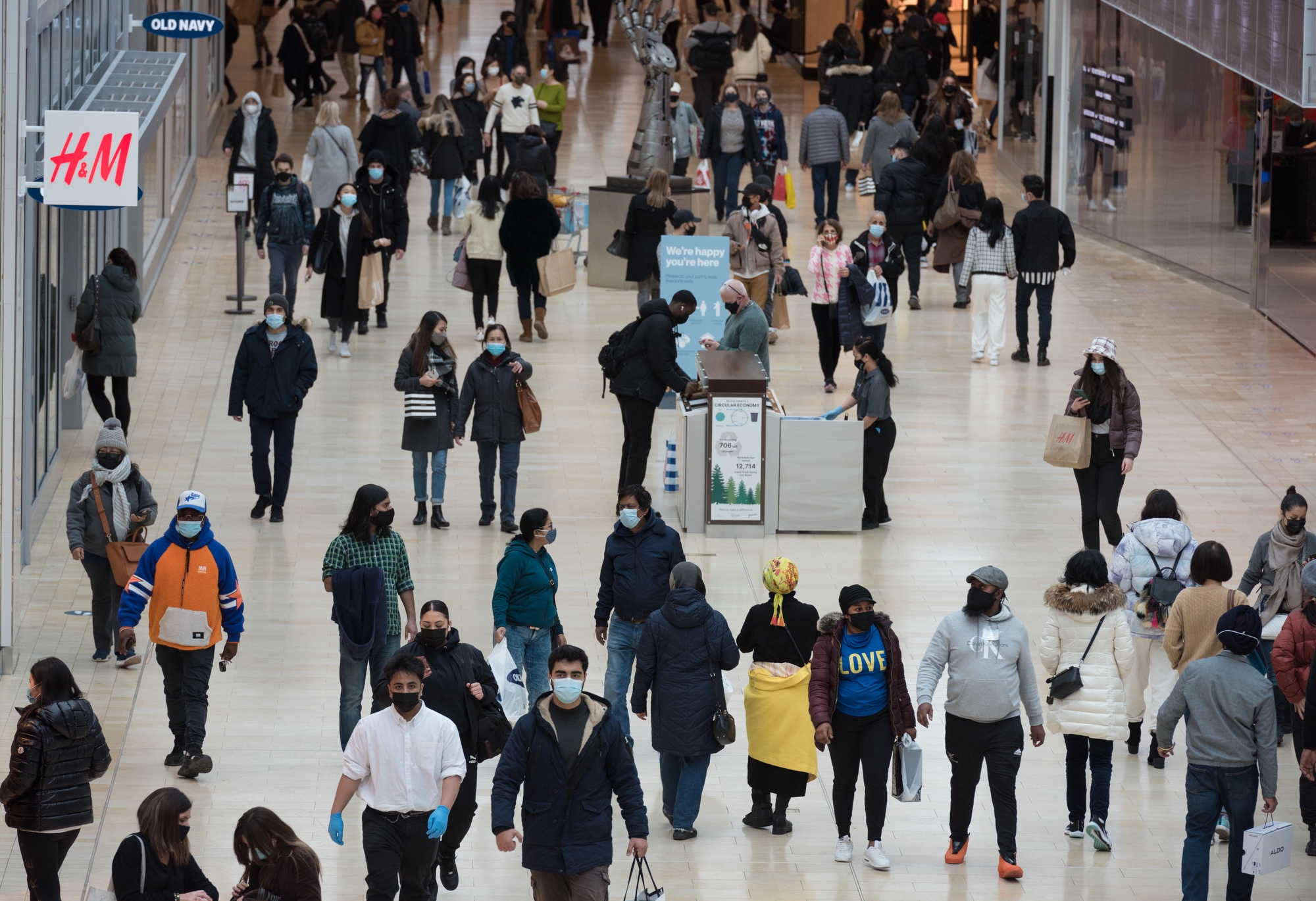
Walk through a retail district on a newly liberated Victoria Day. The traffic is different. It lacks the hurried urgency of a standard Saturday morning. People stroll through the aisles with a languid, aimless energy. They are killing time.
Behind the cash register, the energy is entirely different. It is a performance of normalcy stretched thin over an underlying sense of displacement. The cashier knows that outside these glass walls, the sun is shining, traffic is backing up toward the lake, and the rest of the world is drinking cold beverages on a deck.
The financial metrics will likely show a modest spike in economic activity for the quarter. The government will point to these numbers as validation of their policy. They will talk about GDP growth, tourist retention, and competitive advantages in the global marketplace.
What the metrics won't capture is the subtle shift in the social contract. Every time we convert a shared community space or a designated day of rest into an opportunity for commerce, we chip away at the invisible glue that holds a community together. We reinforce the idea that our value is strictly tied to our utility as consumers or producers.
The lights remain bright. The automatic doors slide open with a mechanical hiss as a customer walks in to buy a single item they could easily have purchased on Tuesday. The transaction is quick, efficient, and entirely unremarkable.
On the sidewalk outside, a discarded receipt flutters in the warm May breeze, tumbling past a row of closed offices toward a highway packed with people trying to escape the city before the weekend ends. The store stays open, holding its breath, waiting for a Tuesday that has already arrived.