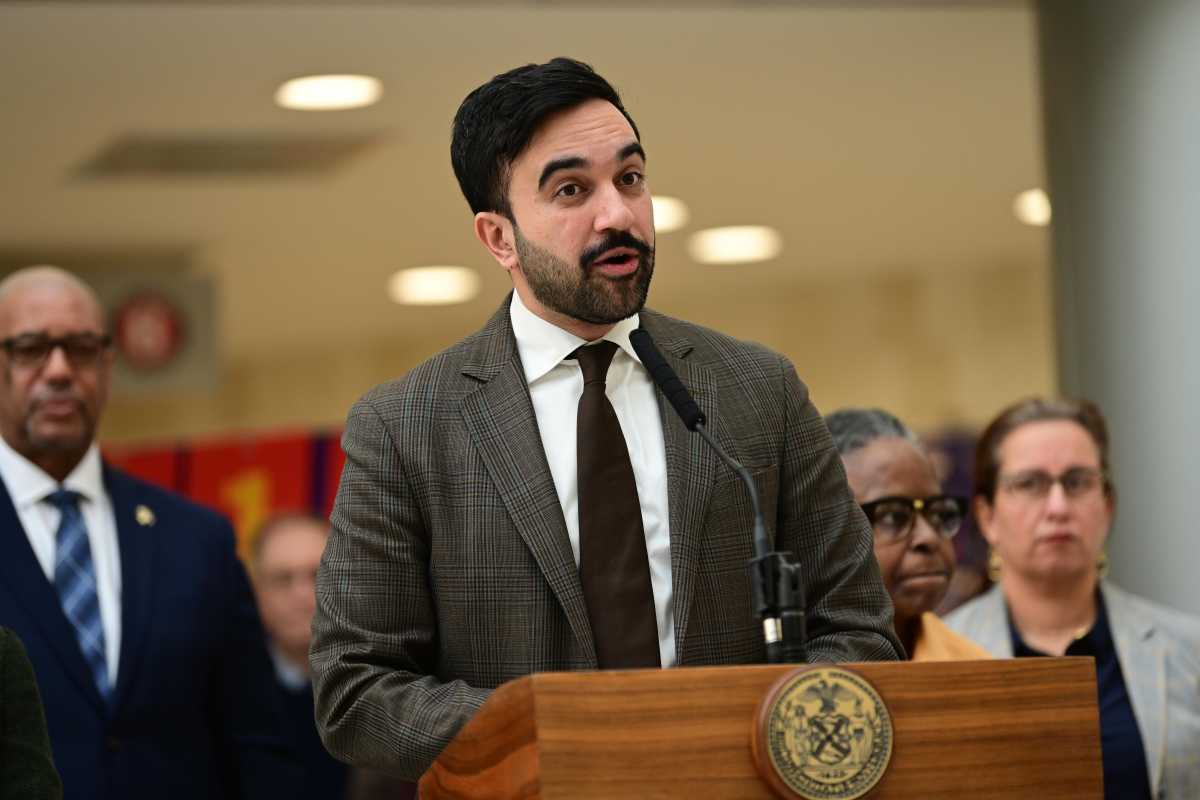
Zohran Mamdani didn't just walk into the room. He took over the airwaves. When the first 100 days of his new leadership role kicked off, many expected a slow crawl toward policy papers. Instead, we got a masterclass in modern political branding. The question isn't whether he can draw a crowd—we know he can. The real issue is whether that celebrity status helps or hurts when it comes to the grinding, often boring work of governing.
People think star power is a shortcut. It's not. It's a megaphone that makes every mistake twice as loud. Mamdani's early stretch has been a mix of high-energy advocacy and the cold, hard reality of legislative pushback. If you're looking for a simple success story, you won't find it here. You'll find a complicated reality where social media metrics and legislative wins don't always align.
The Reality of the Mamdani 100 Day Milestone
The first three months usually define a leader's trajectory. For Mamdani, this period focused on translating activist energy into institutional power. He didn't drop his roots. He brought them into the halls of power. This caused immediate friction.
Critics say he's too focused on the cameras. Supporters argue the cameras are his best weapon. In New York politics, if you aren't seen, you don't exist. Mamdani exists everywhere. He’s used his platform to highlight issues like transit fare hikes and housing costs, turning dry budget meetings into viral moments. But viral moments don't pass bills.
I've watched leaders try this before. They come in hot, alienate the old guard, and find themselves shouting into a void by month six. Mamdani is trying to avoid that trap by building a grassroots base that scares the establishment enough to keep them at the table. It's a high-stakes gamble.
Governance Challenges That Dont Care About Followers
Social media likes don't fix crumbling subways. They don't lower the rent in Queens. Mamdani's biggest hurdle has been the shift from "outsider throwing stones" to "insider holding the bag."
The legislative process is designed to be slow. It's built on compromise, backroom deals, and incremental progress. Mamdani’s brand is built on the opposite—urgency and radical change. When he hits a wall in the statehouse, his instinct is to go public. This ruffles feathers. Veterans in Albany aren't fans of being called out on Twitter (or X) when negotiations hit a snag.
We saw this play out during recent budget talks. While Mamdani pushed for aggressive funding for public transit, the math didn't always favor his idealistic targets. He faced a choice: take a partial win or keep fighting for the whole loaf and risk getting nothing. He chose to keep fighting. Some call that principled. Others call it a tactical error.
Why Star Power is a Double Edged Sword
Mamdani brings a level of visibility that most junior politicians would kill for. He can move the needle on a news cycle just by showing up at a rally. That's a huge asset for causes that usually get ignored.
But there’s a cost.
- Every move is scrutinized. He doesn't get the luxury of making quiet mistakes.
- Expectations are sky-high. His base expects him to flip the system overnight.
- The "Celebrity" Label. It’s used as a weapon against him to suggest he isn't serious about the "boring" parts of the job, like committee work and technical amendments.
He’s spent a lot of time lately proving he’s doing the homework. You’ll see him posting photos of massive stacks of budget documents. It’s a clear message: "I’m not just a TikTok guy; I’m a legislator." Whether the public—and his peers—buy that remains to be seen.
Beyond the Social Media Feed
If you look past the headlines, the actual work shows some interesting progress. Mamdani has been effective at organizing other progressive members into a more cohesive voting bloc. He isn't just a lone wolf anymore. He’s becoming a bit of a pack leader.
This shift is vital. One person can be ignored. A dozen people who vote as a single unit cannot. He’s been seen coordinating more closely with seasoned organizers, trying to bridge the gap between "the streets" and "the chamber." This is where the real governance happens. It’s less about the speech on the floor and more about the three-hour meeting in a windowless office beforehand.
The push for "Fix the MTA" is a prime example. Mamdani didn't just talk about it; he helped frame the conversation around "Free Buses." It’s a simple, catchy idea that regular people understand. Even if it doesn't fully pass, he’s moved the goalposts of what’s considered a "reasonable" demand. That’s a form of power that doesn't show up in a box score.
The Friction with the Establishment
You can't talk about Mamdani’s first 100 days without talking about the people who want him to fail. There’s a segment of the political elite that views his style as performative. They argue that he spends more time building a personal brand than building bridges.
There’s some truth to the tension. Politics is a relationship business. If you spend all day telling the world how "broken" your colleagues are, don't be surprised when they don't want to co-sponsor your bill. Mamdani has had to learn when to bite his tongue. It’s a hard lesson for someone who rose to power by speaking out.
Recent reports suggest he’s becoming more selective with his battles. He’s picking fights where he knows he has leverage. That shows growth. It shows he’s moving from an activist mindset to a strategic one.
What Most People Get Wrong About Political Momentum
People think momentum is a straight line. It’s actually a series of spikes and plateaus. Mamdani had a massive spike during his first month. Now, he’s in the plateau. This is the "governance challenge" part of the story.
The excitement of the win has faded. Now he has to deal with the reality of being one voice among many. To stay relevant, he has to keep delivering "wins" to a base that is notoriously impatient. If he doesn't show concrete results on housing or transit soon, that star power will start to dim.
Making Sense of the Next Steps
If you're following Mamdani’s career or just interested in how modern politics works, don't focus on the rallies. Focus on the bills he’s actually signing onto. Watch how he handles the next budget cycle. That’s where the mask comes off.
The honeymoon is over. Now we see if the marriage between his brand and the state's machinery can actually produce something useful for the people of New York.
Stop looking for a hero or a villain. Look for the results. Are the buses running more often? Is the rent still climbing? That’s the only metric that matters at the end of the day. If you want to support or oppose his agenda, start by looking at the actual floor votes, not the Instagram captions. Pay attention to the committee assignments he’s fighting for. That's where the real influence lives. Read the bill summaries yourself instead of waiting for a news clip to tell you what to think. Be an active participant, not just a spectator in the digital gallery.