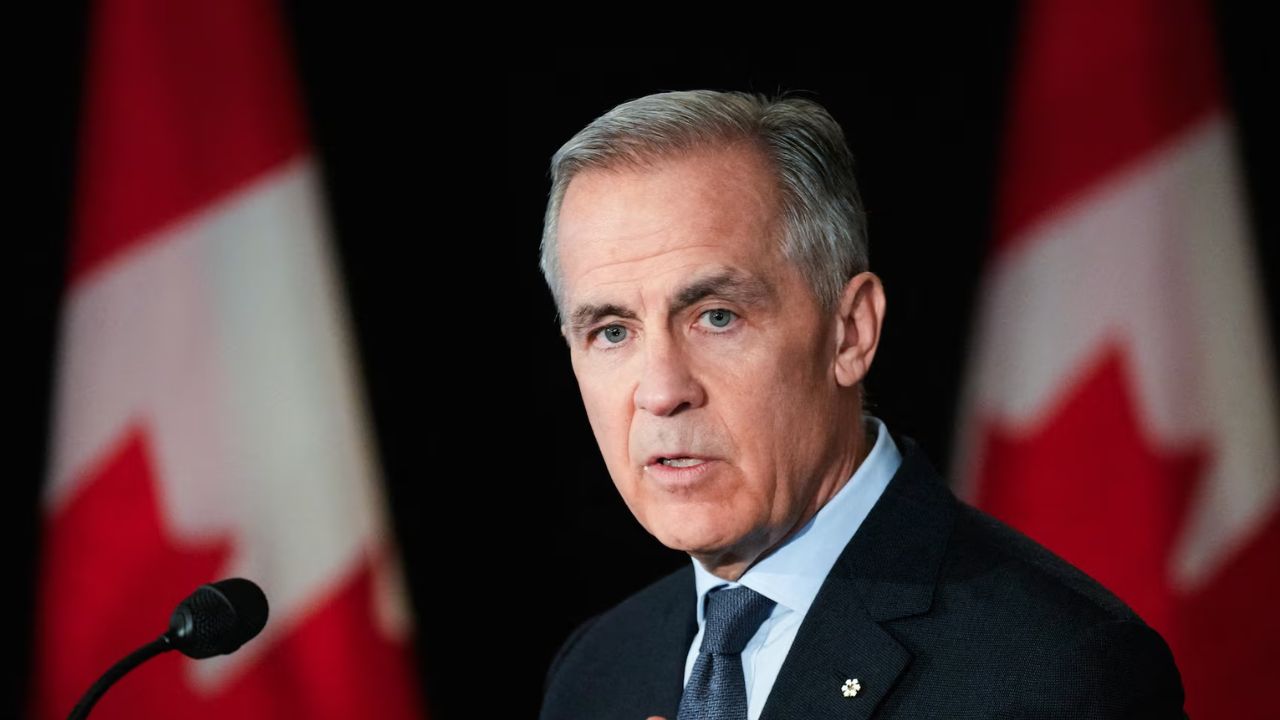
Canada’s relationship with India hasn't just been cold lately; it’s been subterranean. Between the 2023 diplomatic blow-up and the subsequent freeze on trade talks, the two nations were essentially playing a game of geopolitical chicken. But Prime Minister Mark Carney isn't interested in nursing old wounds. He’s currently on a high-stakes Indo-Pacific tour, and his arrival in Mumbai on February 27 marks a hard pivot toward what he calls "economic pragmatism."
Carney isn't your average politician. He’s a former central banker who looks at the world through the lens of capital flows and supply chain security. He’s spent the last few days meeting with pension fund titans and tech CEOs in Mumbai before heading to New Delhi to face Prime Minister Narendra Modi. The goal? Doubling bilateral trade to $70 billion by 2030. It’s an ambitious play, especially considering where things stood eighteen months ago.
The Strategy of the Middle Power
At Davos earlier this year, Carney basically told the world that the old rules-based order is dead. He’s not waiting for the U.S. or China to set the tone anymore. Instead, he’s positioning Canada as a "middle power" that can build its own web of alliances. India is the crown jewel of this strategy. With a massive middle class and an insatiable appetite for energy, India is exactly where Canada needs to park its exports if it wants to stop being so dependent on the American market.
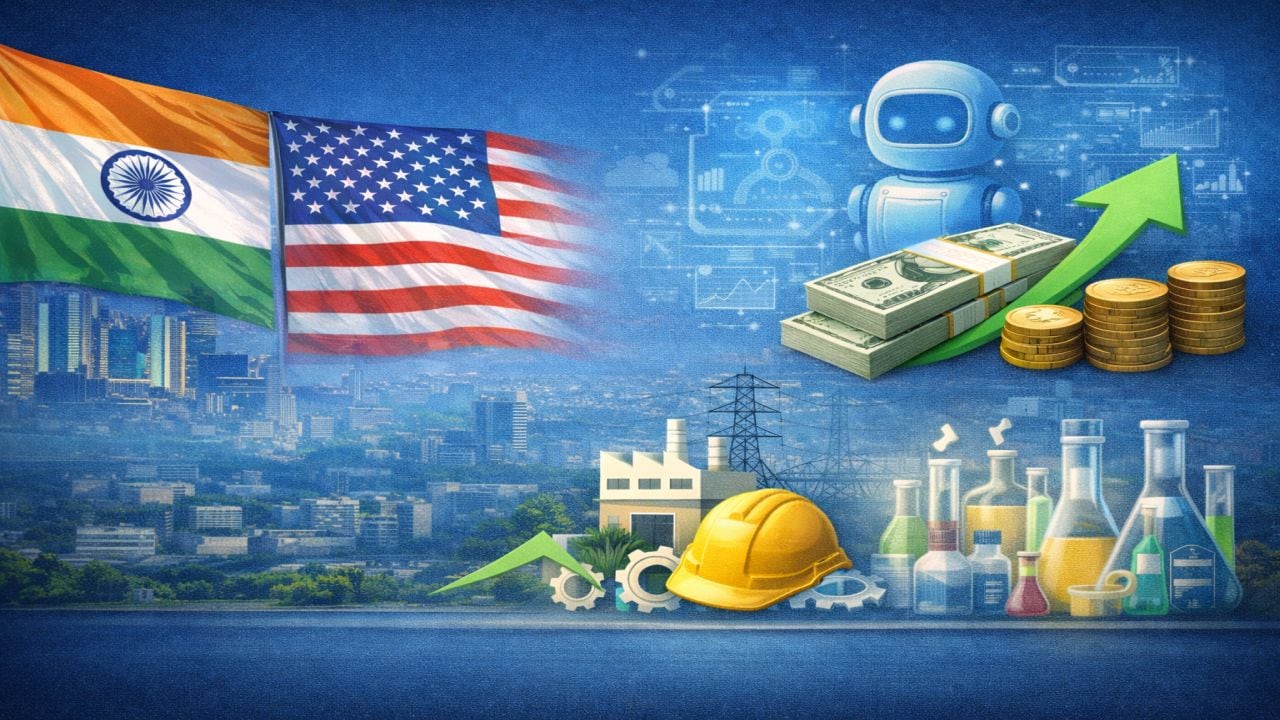
I've watched these diplomatic dances for years, and this one feels different. It’s less about "shared values" and more about "shared interests." Canada has the uranium, potash, and critical minerals India needs to power its green transition. India has the digital infrastructure and the talent pool Canada needs to keep its tech sector from stagnating. It’s a transaction, plain and simple.
What’s Actually on the Table
While the headlines focus on the photo ops at Hyderabad House, the real work is happening in the boardrooms. Here’s what’s really being hashed out behind the scenes:
- Uranium and the SHANTI Act: India is betting heavily on nuclear power to hit its climate goals. Under the new SHANTI Act of 2025, India is looking for stable foreign partners. Canada, with its massive uranium reserves, is the obvious choice. We’re likely looking at a long-term supply agreement that provides India with energy security and Canadian miners with a guaranteed customer.
- The CEPA Relaunch: The Comprehensive Economic Partnership Agreement (CEPA) was basically left for dead. Now, Carney and Modi are trying to resuscitate it. They aren't going for a "perfect" deal right away. They’re looking for an "early harvest" agreement—something that slashes tariffs on specific goods like lentils and machinery to get the momentum going.
- The ACITI Partnership: Last November, Canada, India, and Australia formed a new tech and innovation partnership. This trip is about putting meat on those bones. Think joint ventures in AI and cybersecurity that don't rely on Silicon Valley.
Navigating the Elephant in the Room
You can't talk about India and Canada without mentioning the "Nijjar row." The allegations of foreign interference and the resulting diplomatic expulsions were a low point. Honestly, those tensions haven't vanished. The Sikh diaspora in Canada remains a sensitive political topic for both leaders.
But Carney is banking on the idea that $31 billion in annual trade is too much to throw away over a diplomatic feud. He’s taking a "calculate and calibrate" approach. He’s not ignoring the concerns, but he’s refusing to let them hold the entire economic relationship hostage. It’s a risky move, but in a world where global trade is fracturing into regional blocs, it might be the only move he has.
Why You Should Care
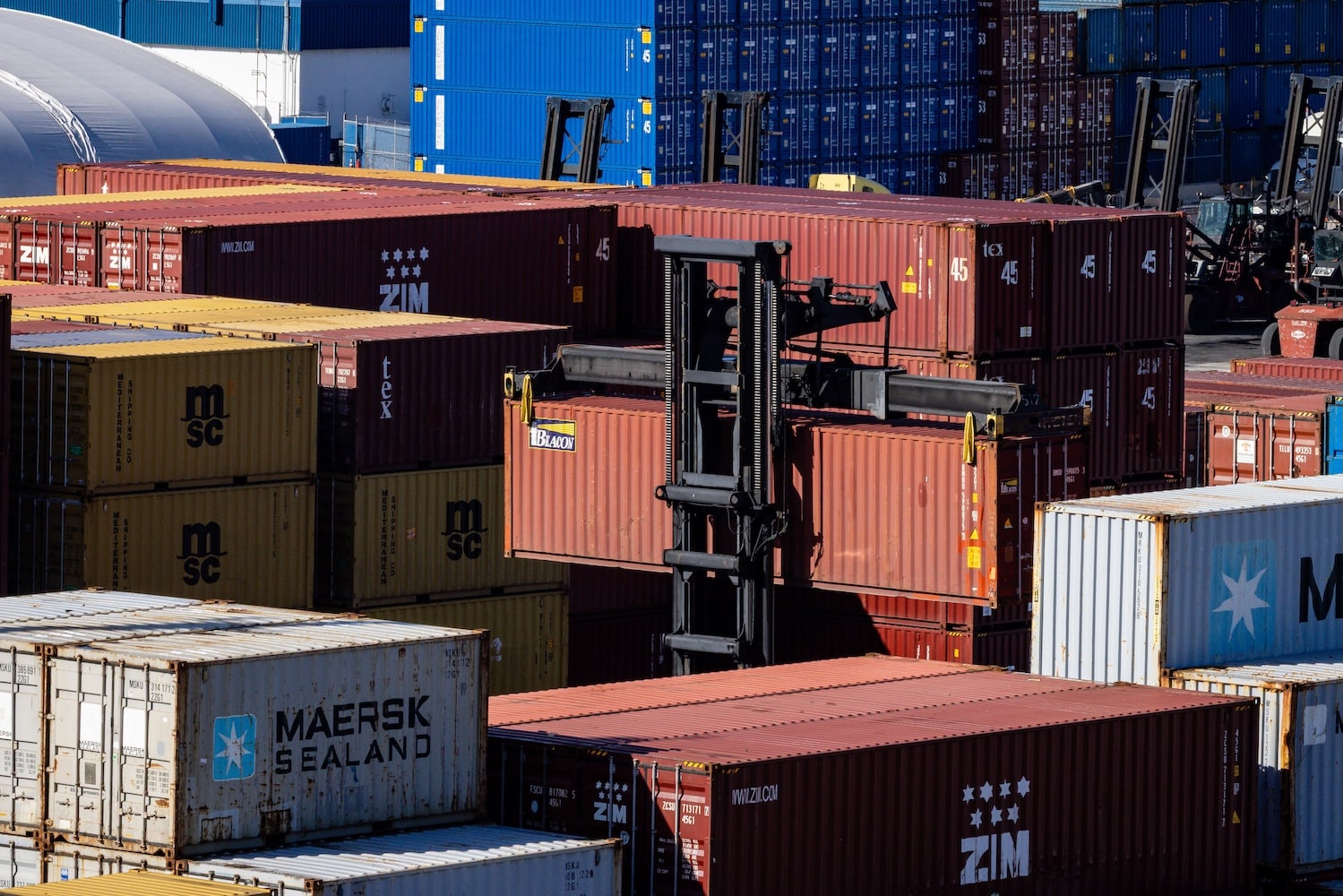
If you’re an investor or a business owner, this shift is massive. For a long time, Canadian businesses looked south for growth. But with trade volatility in North America, India offers a hedge. We’re seeing Canadian pension funds—some of the largest in the world—already doubling down on Indian infrastructure and renewable energy.
This isn't just about selling more wheat or pulses. It’s about Canada trying to find its footing in a "multi-aligned" world. If Carney can pull this off, it sets a template for how middle-tier countries can navigate the rivalry between superpowers by building their own mini-blocs.
If you want to track the success of this trip, don't look at the joint statements. Look at the volume of Canadian uranium shipments and the progress of the CEPA negotiations over the next six months. The real victory won't be a signed treaty today; it’ll be a steady increase in the "dense web" of commercial contracts that make a future diplomatic freeze impossible to sustain. Keep an eye on the upcoming AI Summit in India—Canada's level of participation there will tell you exactly how deep this new alliance goes.