Big Tech’s "get out of jail free" card just expired. For decades, companies like Meta and Google hid behind a 1996 law called Section 230, claiming they weren't responsible for what happened on their platforms. They argued they were just the "pipes" through which information flowed.
A jury in Los Angeles just shattered that illusion.
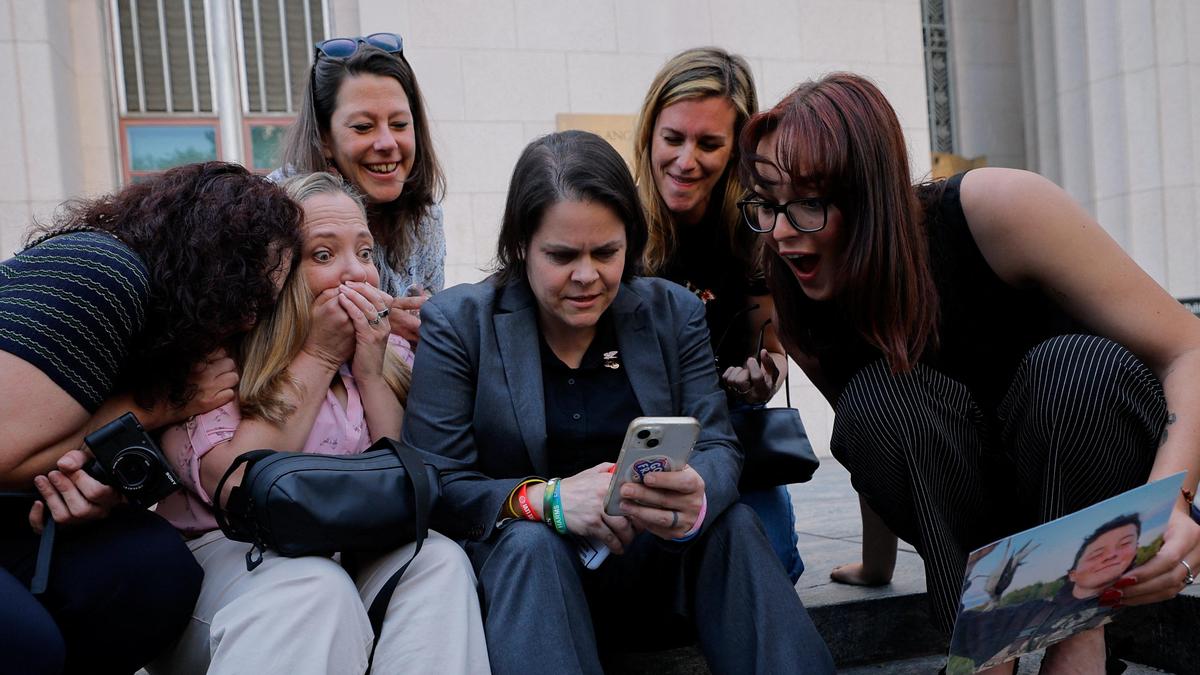
On March 25, 2026, a landmark verdict found Meta and Google liable for the mental health ruin of a young woman who grew up addicted to Instagram and YouTube. This isn't just about one lawsuit. It's the first time a jury has looked at the actual code—the infinite scroll, the dopamine-triggering notifications, the algorithms—and called them "defective products."
If you've ever felt like you're fighting a losing battle against your teenager's phone, this is the moment the tide started to turn.
The Case That Broke the Shield
The plaintiff, a 20-year-old identified as Kaley (K.G.M.), started using YouTube at age six and Instagram at nine. By ten, she was self-harming. By thirteen, she had body dysmorphic disorder. Her lawyers didn't just blame the "bad content" she saw; they blamed the way the apps were built to keep her eyes glued to the screen at any cost.
The jury agreed. They found Meta 70% liable and Google 30% liable, awarding $6 million in damages. But the money is a rounding error for these giants. The real sting is the "malice" finding, which opens the door for massive punitive damages designed to actually punish the companies.
This is the "Big Tobacco" moment for social media. Just as internal documents once proved cigarette companies knew their products were addictive and deadly, the evidence in this trial showed tech executives knew their platforms were wrecking kids' sleep, self-esteem, and safety—and they kept the features anyway.
Why Section 230 Didn't Save Them This Time
Usually, tech companies win these cases before they even reach a jury. They point to Section 230 of the Communications Decency Act, which says they aren't the "publisher" of content posted by users. If a kid sees a dangerous "challenge" on TikTok, the company blames the person who uploaded the video.
The legal strategy in the Kaley case was different. Her team argued that the design of the platform is a product, just like a car with faulty brakes.
- Infinite Scroll: A design choice to remove "stopping cues" so kids never look up.
- Variable Rewards: The "pull-to-refresh" mechanic that mimics a slot machine.
- Push Notifications: Intrusive pings designed to hijack a child's attention during school or sleep.
Judge Yvonne Gonzalez Rogers, who is overseeing thousands of similar cases in a massive "multidistrict litigation" (MDL 3047), previously ruled that these design choices aren't "speech." They’re engineering. And when engineering causes harm, the engineers are liable.
The Twin Blow in New Mexico
Meta didn't just lose in California this week. A day earlier, a New Mexico jury slapped the company with a $375 million penalty. That case, brought by the state’s Attorney General, focused on how Meta’s design actually helped predators find children.
State investigators posed as minors and were quickly bombarded with sexual solicitations. The jury found Meta violated consumer protection laws by lying about how safe the platform was. When you combine the California "addiction" verdict with the New Mexico "safety" verdict, the message is clear: The "trust us, we’re trying" defense is dead.
What This Means for Parents and Schools
If you're a parent, you’ve probably felt the gaslighting. You’re told to "just set better boundaries" or use parental controls that are easily bypassed. The tech companies have spent years making this a "parenting problem."
The courts are finally saying it’s a "product problem."
Schools are also taking notice. Over 250 school districts are currently part of the larger litigation, arguing they've had to spend millions on mental health counselors and suicide prevention because of the "public nuisance" created by these apps. This week’s verdicts give those schools massive leverage to demand settlements that could fund mental health programs for a generation.
The Industry’s Next Move
Don't expect Meta or Google to go quietly. They've already vowed to appeal, claiming that "teen mental health is complex" and shouldn't be blamed on a single app. They’ll argue that this verdict violates their First Amendment rights to curate their platforms.
But the "design defect" door is now wide open. TikTok and Snap already settled their portions of the Kaley case before it went to trial, likely because they didn't want their internal secrets aired in front of a jury. Now that a jury has shown it's willing to punish Big Tech, expect a wave of settlements and, eventually, a total redesign of how these apps function for anyone under 18.
How to Use This Information Right Now
You don't have to wait for the appeals process to protect your family. The evidence presented in court is a roadmap for what to disable.
- Audit the "Addiction Features": Go into your child's settings and turn off "Autoplay" on YouTube and "Suggested Posts" on Instagram. These were specifically highlighted in court as the primary drivers of compulsive use.
- Demand Transparency: If your school is struggling with student mental health, ask if they are part of the MDL 3047 litigation. Being part of the legal "class" ensures the school has a seat at the table when settlement funds are eventually distributed.
- Shift the Conversation: Stop blaming yourself for "not being strict enough." You are up against thousands of the world's smartest engineers and the most powerful computers on earth. This verdict proves the game was rigged against you from the start.
The era of "move fast and break things" just broke the companies that started it. For the first time, Silicon Valley is being forced to pay for the "things" it broke—and those things were our children.
Take five minutes tonight to look at the "Screen Time" report on your kid's phone. If the numbers look like a full-time job, remember: a jury just ruled that isn't an accident. It's a defect.