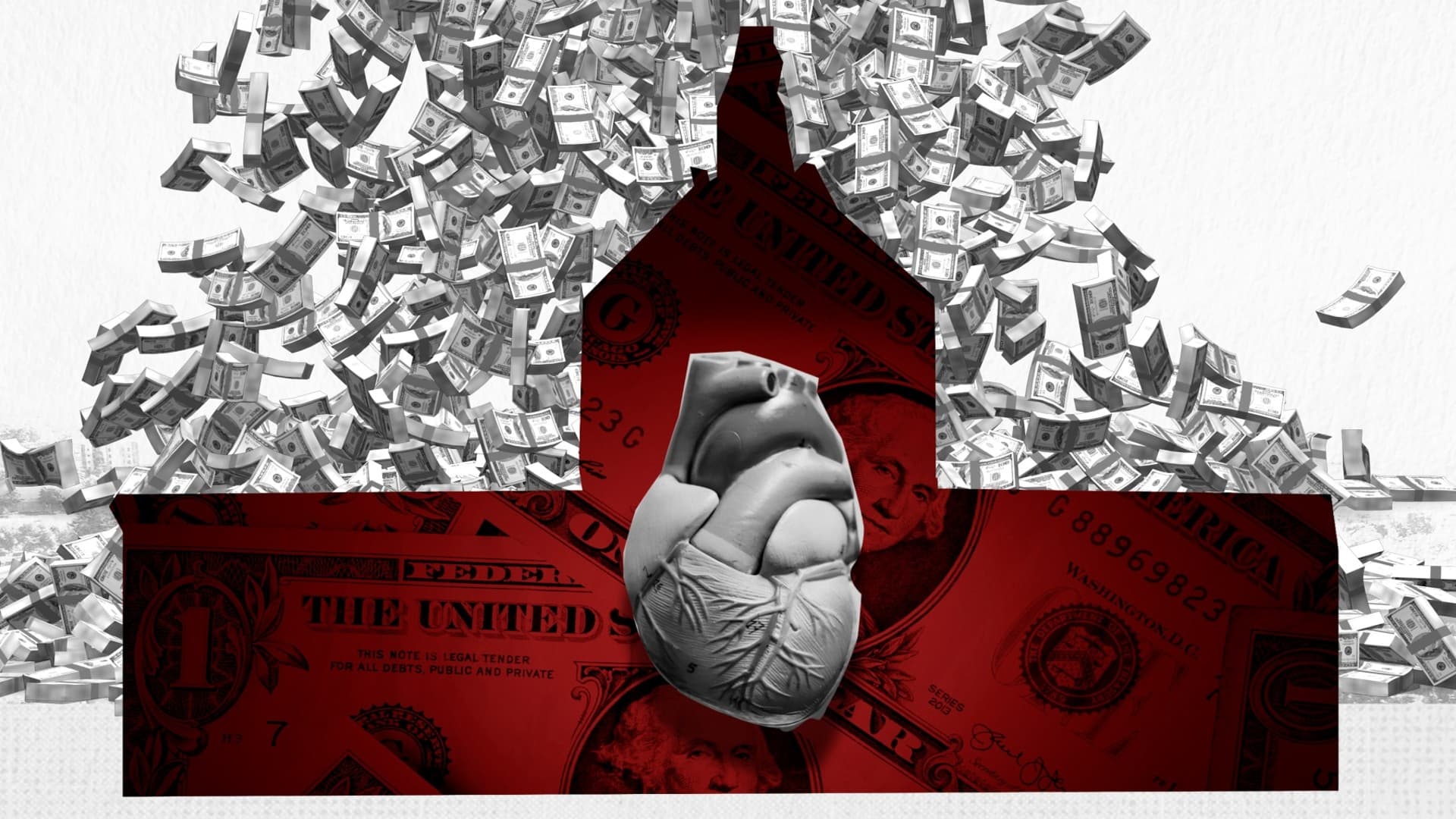
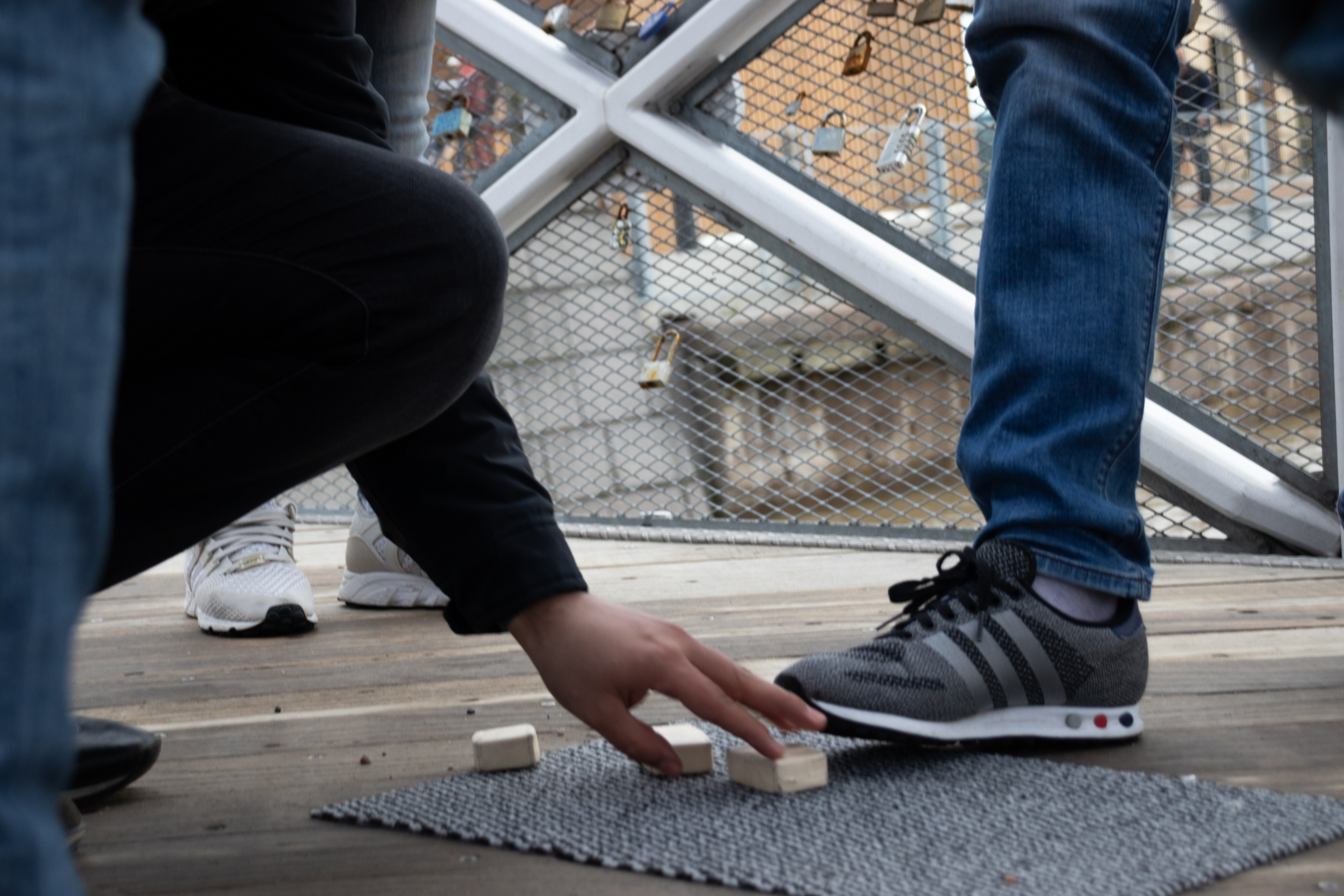
A Frenchman buys a ticket for 100 Euros. He walks away with a Picasso worth a million dollars. The headlines scream "Luck of the Draw" and "Charity Miracle."
The headlines are wrong.
This isn’t a feel-good story about a lucky guy in a beret. It is a sophisticated blueprint for how the ultra-wealthy use gamification to prop up sagging art valuations while claiming a tax write-off. If you think this raffle was about "democratizing art," you’ve been scammed by the most elegant marketing machine on the planet.
The art world doesn't do anything by accident. Especially not when it involves a 1921 oil-on-canvas from a legendary master.
The Myth of the "Small-Time" Winner
The media loves the David vs. Goliath narrative. They want you to focus on the 25-year-old winner because it validates the lottery dream. But look at the math, not the man.
The raffle sold 51,000 tickets at 100 Euros apiece. That is 5.1 million Euros (roughly $5.6 million USD) generated for a painting valued at $1 million. The house didn't just win; the house cleared a 460% markup on a piece of art that might have sat in a gallery for years before finding a private buyer at that price.
In a traditional auction, a Picasso "Nature Morte" might struggle to hit its high estimate if the provenance is dusty or the market is cool. By turning it into a raffle, the organizers bypassed the volatility of the bidding floor and guaranteed a massive liquidity event. They didn't sell a painting; they sold the idea of owning a painting to 50,999 people who will never see a dime of that money back.
Charity as a Price Floor
We need to talk about the "non-profit" angle. The proceeds went to CARE, a global humanitarian organization. That is noble on the surface, but it serves a dual purpose for the art ecosystem.
When you frame a sale as a "charitable raffle," you remove the asset from the scrutiny of market comps. If a Picasso sells at Christie’s for under its estimate, it devalues every other similar Picasso in existence. It’s a "red candle" on the chart of art history.
But a raffle? A raffle exists outside the data. It allows the estate or the collector to offload the work at a massive "perceived" value without the risk of a public "no-sale" (a "bought-in" lot). The high ticket volume artificially inflates the interest in the artist’s "lesser" works. It creates a synthetic floor for the market.
I’ve watched collectors play this game for two decades. They don't donate the art because they’re altruistic. They donate because the appraisal for a "charitable contribution" is often far more generous than the cash price a shark-like dealer would offer them in a private sale.
The Liquidity Trap You Didn't See
Let’s say you’re the Frenchman. You just won a million-dollar Picasso. You’re rich, right?
Wrong. You’re now the owner of a massive liability.
Ownership of high-value art isn't free. Here is what the "lucky winner" is currently realizing:
- Insurance Premiums: To protect a $1 million asset, you’re looking at thousands per year in specialized coverage.
- Storage and Climate Control: You can't just hang a 1921 Picasso over your radiator. The humidity and UV levels must be monitored 24/7.
- The Exit Tax: If he wants to sell it to actually get that million dollars, he’ll pay a consignor's fee to an auction house (usually 10-15%) and capital gains tax.
The raffle didn't give him a fortune; it gave him a high-maintenance job. Most "average" winners of these art lotteries end up selling the piece back into the hands of the elite within 24 months. The art always returns to the top 0.1%. The raffle is just a temporary detour to extract cash from the middle class.
Why "Democratization" is a Dirty Word
The most common "lazy consensus" in the art world is that raffles and fractional ownership (buying "shares" of a painting) are good for the public.
They aren't. They are predatory.
True democratization would be lowering the barrier to entry for art education or supporting living artists who aren't already icons. Selling raffle tickets for a dead master’s work is just "art-flavored" gambling. It relies on the same psychological triggers as a slot machine, wrapped in the thin veil of cultural prestige.
If you bought a ticket, you weren't "investing in culture." You were subsidizing the valuation of a blue-chip asset class you’re not allowed to play in.
The Appraisal Shell Game
How do we know it’s worth $1 million? Because a specialist said so.
In the art world, "value" is a consensus reality. It’s not like a stock with a transparent P/E ratio. It’s worth what three people in a room decide it’s worth. By holding these high-profile raffles, the industry creates a "news event" that reinforces the high price tags of the artist’s other works.
If a million people hear that a Picasso is worth $1 million, then it is. It’s a self-fulfilling prophecy fueled by headlines that refuse to ask where the money actually goes.
Stop Buying the Ticket
If you want to support charity, give 100 Euros to the charity.
If you want to own art, go to a local gallery and buy a piece from an artist who can still feel the heartbeat of the world.
But if you’re buying a raffle ticket hoping to get rich off a dead Spaniard’s leftovers, realize you aren't the player. You’re the product. You are the liquidity that allows the upper crust to keep their portfolios inflated while you chase a 1-in-51,000 miracle.
The Frenchman didn't win a Picasso. The art market won 5 million Euros and a week of free PR.
Don't celebrate the winner. Study the math. Then walk away from the table.