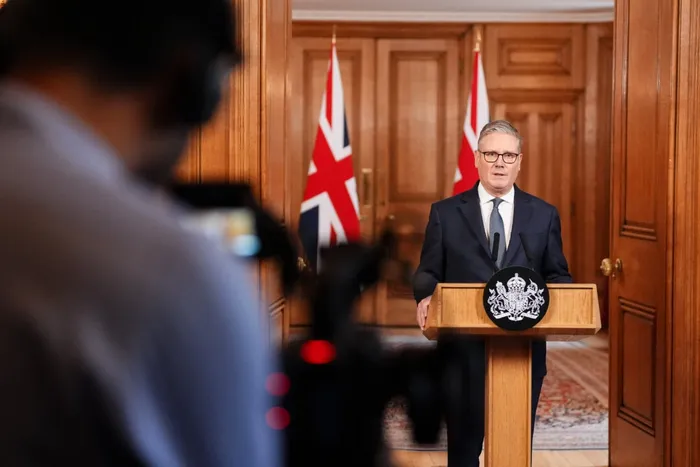
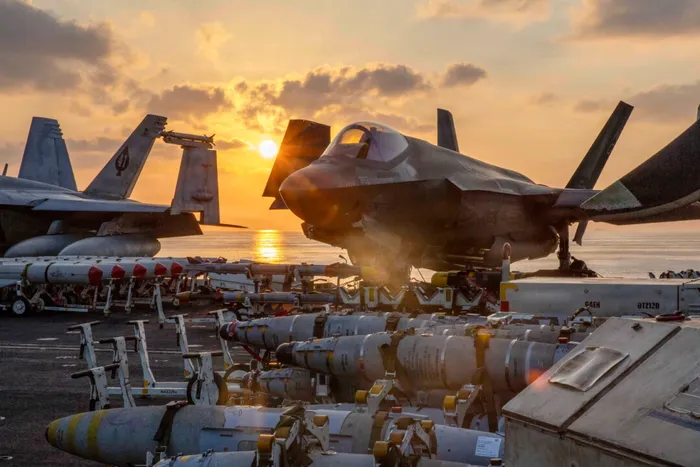
Prime Minister Narendra Modi isn't just watching the Middle East from the sidelines while the region sits on a knife-edge. He’s actively burning the midnight oil on the phone with the leaders of Oman, Kuwait, and Qatar. This isn't just about standard diplomatic pleasantries or "strengthening ties" in the abstract. It's about a very real, very urgent concern for the safety of millions of Indian nationals living in a zone that feels more volatile by the hour.
India's footprint in the Gulf is massive. We aren't just talking about trade or oil. We're talking about roughly 9 million people. That's a population larger than many European countries, all living in a region where one wrong move by a regional power could trigger a massive crisis. Modi's recent string of high-level conversations with Sultan Haitham bin Tarik of Oman, Sheikh Meshal Al-Ahmad Al-Jaber Al-Sabah of Kuwait, and Sheikh Tamim bin Hamad Al Thani of Qatar shows a shift toward proactive protection.
The massive human stake in the Gulf region
When the Middle East catches a cold, India sneezes. But if the Middle East catches fire, India faces a logistical and humanitarian nightmare. The sheer scale of the Indian diaspora in these three countries alone is staggering. Kuwait houses nearly a million Indians. Oman has around 700,000. Qatar, despite its smaller size, is home to over 800,000.
These aren't just numbers on a spreadsheet. They're construction workers, nurses, engineers, and tech experts who send back billions in remittances. These funds keep the Indian economy humming. If a full-scale conflict breaks out between Israel and regional actors, or if shipping lanes like the Strait of Hormuz get choked, these people are in the direct line of fire. Modi knows that any failure to protect them would be a political disaster at home and a human tragedy abroad.
Security is more than just avoiding bombs
Modi's discussions didn't just touch on physical safety. They focused on "security" in a broader sense. In the Gulf, security means the ability to work, the stability of the local economy, and the assurance that if things go south, there’s an exit strategy. By talking directly to the Emirs and the Sultan, Modi is ensuring that the top brass in these nations keeps the Indian community's welfare as a priority.
There's also the energy angle. India imports a huge chunk of its crude oil and LNG from this cluster. Qatar is India’s largest supplier of Liquefied Natural Gas. Any disruption in the Persian Gulf doesn't just put people at risk; it threatens to turn the lights off in Indian cities and send petrol prices through the roof. The PM is essentially playing a high-stakes game of maritime and economic defense.
Navigating the diplomatic tightrope
India has a unique position. It's one of the few countries that maintains a functional, even friendly, relationship with Israel while also being a key partner to the Arab world and Iran. This "de-hyphenated" policy is being tested right now. Modi’s outreach to Oman, Kuwait, and Qatar serves as a reminder that India isn't picking sides in a way that hurts its regional interests.
Oman, in particular, often acts as a backchannel for negotiations in the region. By keeping Sultan Haitham close, Modi stays in the loop on things that might not make it into international news wires. Kuwait and Qatar, meanwhile, are heavyweights in the Gulf Cooperation Council (GCC). These conversations are about making sure India has a seat at the table when regional stability is discussed, rather than being an afterthought.
Lessons from past evacuations
India is actually quite good at getting its people out of tight spots. Look at Operation Ganga in Ukraine or Operation Kaveri in Sudan. But those were small compared to what a Middle East-wide conflict would require. The Gulf is different. You can't just send a few planes. You'd need a massive maritime bridge.
The Indian Navy already maintains a presence in the region through "Operation Sankalp," which ensures the safe passage of Indian-flagged vessels. But the recent talks suggest that the government is looking at even deeper cooperation with local coast guards and port authorities. They want to ensure that if a "black swan" event happens, the gates stay open for Indian ships and aircraft.
What this means for the average worker
If you’re an Indian working in Doha or Muscat, these high-level calls should give you some peace of mind. It means your government hasn't forgotten you're there. It means the local government knows India is watching. Modi is using his personal rapport with these leaders—many of whom have honored him with their highest civilian awards—to create a "soft shield" around the diaspora.
Don't expect the tensions to vanish overnight. The Middle East is a mess of historical grievances and modern power plays. However, India’s strategy of "active neutrality" combined with aggressive diaspora protection is the best bet we've got. It’s about being prepared for the worst while working quietly to prevent it.
For those with family members in the region, the best move right now is to ensure all registrations with the local Indian Embassy are up to date. The eMigrate portal and embassy databases are the first tools the government uses when things get hairy. Stay informed, keep your documents in order, and watch the official channels of the Ministry of External Affairs. Diplomacy is happening in the shadows, but your personal preparedness happens at home.