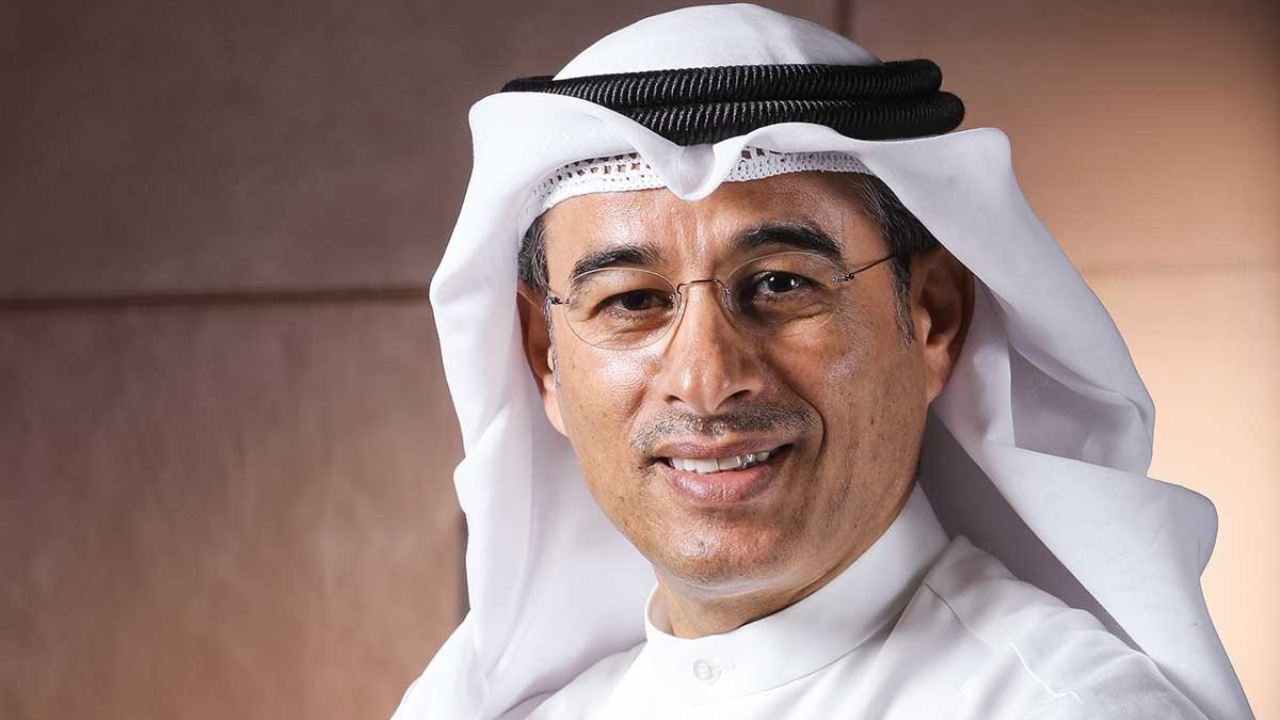
Mohamed Alabbar doesn't mince words when it comes to the engines driving his global real estate empire. The man behind the Burj Khalifa and Emaar Properties recently made waves by being incredibly blunt about his hiring preferences. He thinks Indian professionals are the backbone of his success. While some CEOs dance around national identity in hiring, Alabbar leaned into it during a public appearance, sparking a massive conversation about work ethic, loyalty, and the specific grit required to build world-class cities from scratch.
This isn't just about cheap labor or proximity to the Gulf. It's about a specific brand of discipline that Alabbar believes is hard to find elsewhere. He’s seen it firsthand while transforming Dubai from a desert outpost into a global hub. If you want to understand how massive projects like Downtown Dubai actually get finished on time, you have to look at the human capital behind the blueprints.
The Alabbar Philosophy on Discipline
Alabbar’s preference for Indian workers isn't a new whim. It’s a strategy born from decades of observation. He points to a "sincere" nature and a deep-rooted sense of responsibility. In his view, Indian professionals often treat the company’s success as their own. That kind of psychological ownership is rare. You can't just buy that with a high salary. It’s a cultural trait that prizes stability and long-term commitment over job-hopping for a quick buck.
He’s talked about how his Indian staff often stays with Emaar for decades. That longevity creates institutional memory. When you’re building something as complex as a skyscraper or a massive mall, you don't want a revolving door of middle management. You need people who remember why a specific pipe was laid a certain way ten years ago. Alabbar values this "quiet" loyalty more than the flashy, high-ego talent that often flocks to the Middle East from Western capitals.
It’s also about the hustle. Growing up in a hyper-competitive environment like India naturally breeds a survivalist instinct. If you can make it in Mumbai or Bangalore, Dubai feels like a breeze. Alabbar recognizes that this background creates a workforce that doesn't crumble under pressure. They’re used to navigating bureaucracy and finding creative solutions with limited resources.
Why the Middle East and India Are Inseparable
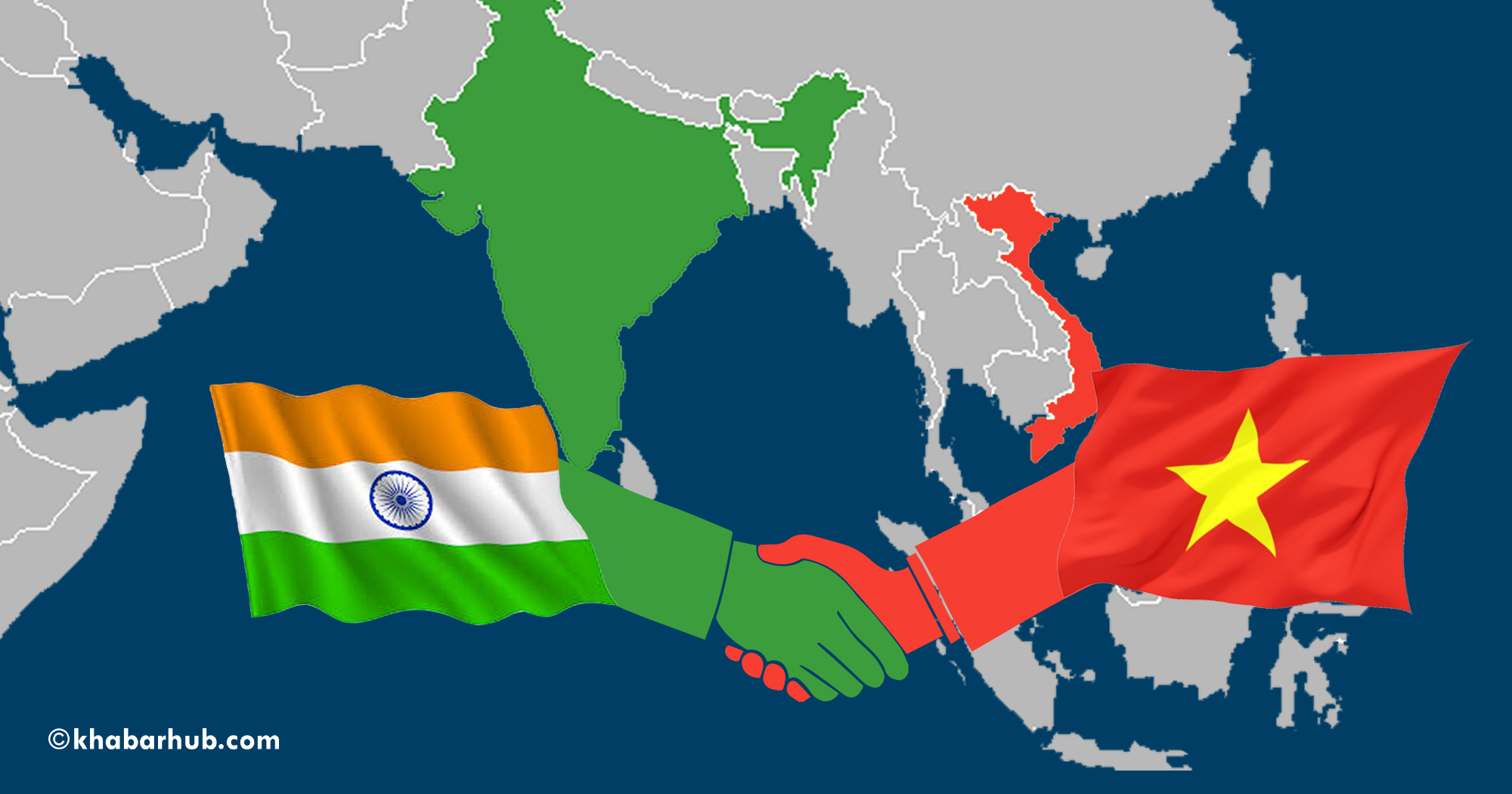
The relationship between Dubai and India goes way back, long before the first shovel hit the ground at the Emaar site. Traders have been crossing the Arabian Sea for centuries. Alabbar is simply modernizing a historical reality. Today, the UAE is home to millions of Indians who fill every role from site laborers to C-suite executives.
Emaar’s founder isn't just praising the workers; he’s acknowledging a symbiotic economic engine. The remittances sent back to India are massive, but the value brought to Dubai is immeasurable. Without this specific talent pool, the rapid urbanization of the UAE would’ve likely stalled or cost three times as much. Alabbar knows his margins. He knows his timelines. He knows that his Indian team members are often the ones working through the heat to ensure a project meets its launch date.
Breaking the Stereotypes
People often mistake Alabbar’s comments as a preference for "cheap" labor. That’s a lazy take. Look at the leadership structures within Emaar and its subsidiaries like Noon. You’ll find Indian engineers, CFOs, and tech leads. This isn't just about the guys in hard hats. It’s about the architects and the financial wizards who structure the deals.
Alabbar highlighted their "discipline" specifically. In the construction world, discipline is everything. A one-week delay on a project the size of the Dubai Mall costs millions. If your team lacks the rigor to stick to a schedule, you’re dead in the water. Alabbar’s comments suggest he finds a higher level of "predictable excellence" in his Indian staff compared to other demographics.
The Risk of Being This Transparent
It’s bold for a founder to say he prefers one nationality over others. Usually, corporate PR teams would have a heart attack over such a statement. They’d want something more "inclusive" and vague. But Alabbar doesn't care about being politically correct. He cares about results.
By being so open, he’s actually doing a few things. First, he’s signaling to the Indian talent market that Emaar is a place where they’ll be valued and promoted. Second, he’s setting a standard for the rest of his workforce. He’s essentially saying, "This is the level of dedication I expect." If you aren't bringing that same level of sincerity and grit, you might not fit the Emaar culture.
It’s a controversial stance, sure. Some might argue it overlooks local Emirati talent or other expatriate groups. However, Alabbar has always been a pragmatist. He’s a businessman who built the world's tallest building. You don't do that by being nice to everyone or following HR trends. You do it by finding the most reliable people on the planet and giving them a reason to stay.
What This Means for Global Hiring Trends
The "Alabbar Method" is a direct challenge to the Western "work-life balance" movement that’s dominating LinkedIn right now. While Europe and North America debate four-day work weeks, the engines of the East—driven by leaders like Alabbar—are doubling down on old-school work ethic.
He’s betting that discipline will always beat raw brilliance. A brilliant worker who is unreliable is a liability in real estate. A disciplined worker who shows up every day and cares about the outcome is an asset. This is a lesson many tech companies are starting to relearn after years of bloated hiring and low productivity.
The Loyalty Factor
I’ve seen this play out in various industries. When a leader shows genuine appreciation for a specific group's contribution, it builds a massive amount of "social capital." Alabbar’s praise isn't just a pat on the back. It’s a recruitment tool. He wants the best of the best from the subcontinent to see Dubai as their primary destination, even over the US or UK.
He’s offering something those Western markets often don't: a sense of belonging and a clear path to the top of a prestigious organization. In many Western firms, there’s still a glass ceiling for Asian talent. At Emaar, Alabbar is basically saying the ceiling doesn't exist if you’ve got the discipline he craves.
Practical Steps for Leaders and Job Seekers
If you’re a business owner, Alabbar’s take should make you look at your own hiring data. Don't just hire for skills on a resume. Look for the cultural markers of reliability. Who stays the longest? Who takes the most pride in the "boring" parts of the job? Those are your anchors.
For professionals looking to get hired by giants like Emaar, the message is clear. It’s not just about your degree. It’s about your "sincerity" and your ability to commit to a vision. Stop worrying about "gaming the system" and start focusing on being the most disciplined person in the room.
Alabbar’s success isn't an accident. It’s the result of a very specific human formula. He found a workforce that matches his own relentless drive, and he’s not afraid to tell the world about it.
If you want to build your own empire, start by identifying the specific traits—not just skills—that drive your industry. Be honest about who possesses them. Then, go out and hire those people aggressively. Don't apologize for knowing what works. Alabbar certainly doesn't.
Go look at your current team. Identify the "stabilizers"—the ones who show up, don't complain, and get the job done without a fuss. Double down on them. Reward their loyalty before they look elsewhere. That's how you build something that lasts longer than a news cycle.