In a cramped, neon-lit corner of a shopping mall in Singapore, a woman named Lin stands motionless. She is thirty-four, an architect by trade, and currently, she is obsessed with a piece of plastic. She is staring at a "blind box"—a sealed package that contains one of several possible figurines. She doesn't know which one is inside. She shakes it. She listens to the rattle. She is looking for Labubu.
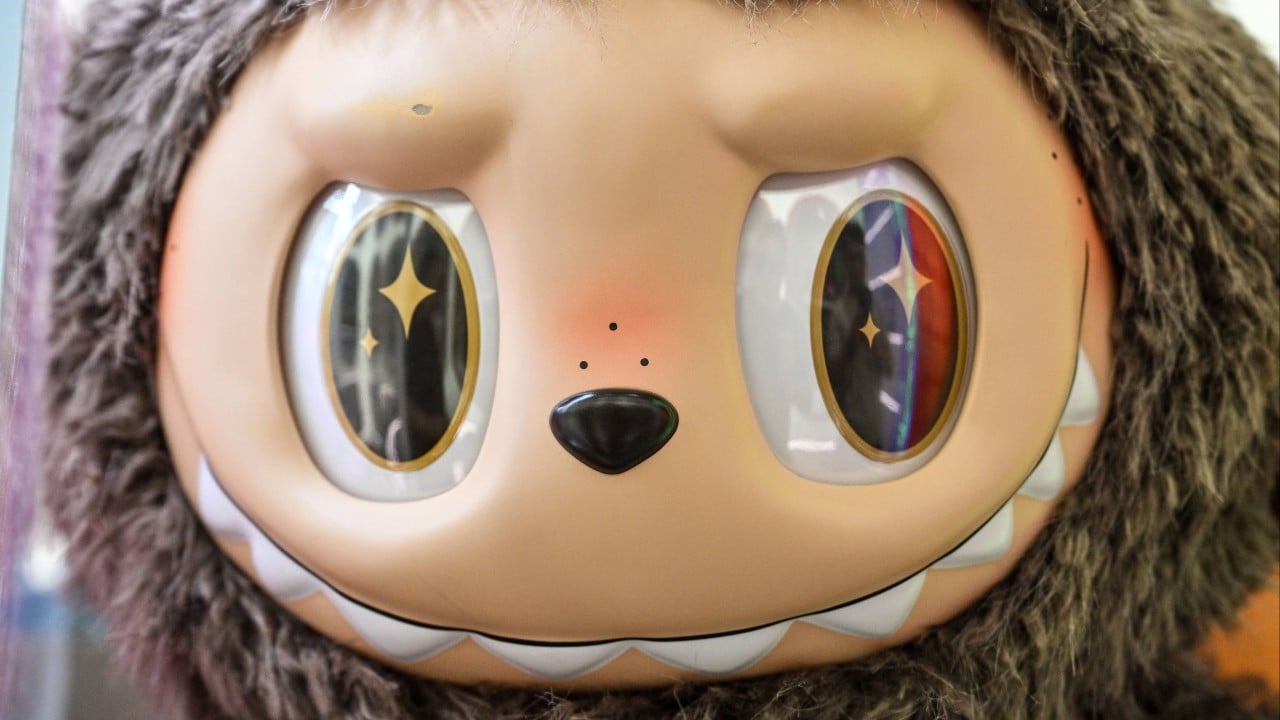
To the uninitiated, Labubu is a fever dream rendered in vinyl. It has serrated teeth, a mischievous, slightly predatory grin, and long, rabbit-like ears. It looks like a forest spirit that might either guide you home or steal your shoes. But for Lin, and millions of others across Southeast Asia and China, this creature represents something more than a toy. It is a vessel for a specific kind of modern yearning.
Now, that yearning is being scaled up for the global stage.
Pop Mart, the Chinese toy giant that turned the "blind box" into a multibillion-dollar empire, has officially signed a deal with Sony Pictures Entertainment. They aren't just making a movie. They are attempting to transplant a subculture into the heart of the global zeitgeist.
The Weight of the Plastic
For decades, the flow of cultural power moved from the screen to the shelf. Disney or Warner Bros. would spend $200 million on a cinematic epic, and only then would the plastic toys follow, cluttering the aisles of Target and Walmart. The story gave the object its value. You bought the action figure because you loved the movie.
Pop Mart flipped the script. They gave us the object first.
Labubu, created by Hong Kong artist Kasing Lung as part of "The Monsters" series, arrived without a backstory. There was no cartoon, no comic book, no lore to study. This absence of narrative was its greatest strength. In a world where every franchise is bogged down by decades of "canon" and complex multiverses, Labubu was a blank slate. You didn't need to know its motivation to want it on your desk. You just needed to see that jagged smile and feel a flicker of recognition.
But the partnership with Sony Pictures suggests that the "blank slate" era is ending. By bringing Labubu to the big screen, Pop Mart is betting that they can manufacture a soul for their plastic icons. They are betting that the emotional connection people feel while shaking a blind box can be translated into the shared experience of a darkened theater.
The Invisible Stakes of the Blind Box
Why does this matter? Because the rise of Labubu is the story of how we consume in an age of isolation.
Consider the "blind box" mechanic itself. It is a micro-dose of gambling, a tiny high that punctuates the gray monotony of a work week. When Lin finally tears open the foil and sees the specific Labubu she wanted, she isn't just buying a toy. She is buying a moment of certainty in an uncertain world.
The partnership with Sony is a massive gamble on whether that localized, cult-like devotion can survive the sanitization of a Hollywood writers' room. Sony Pictures, the house that built the Spider-Verse, knows how to handle quirky, visually distinct IP. But Labubu isn't a superhero. It is an aesthetic.
There is a risk here. When you give a monster a voice, you might find that the audience preferred the one they imagined.
The business logic, however, is undeniable. Pop Mart’s revenue grew by 60% in the first half of 2024 alone. Their international markets are exploding, with Southeast Asia leading the charge. They have moved past being a "Chinese brand" and have become a lifestyle phenomenon. Labubu is the spearhead. The character recently saw a massive surge in popularity after Lisa from Blackpink posted photos with the plush version, causing prices on the secondary market to skyrocket.
The Architecture of a New Mythology
This isn't just about movies or toys. It is about the shifting tectonic plates of global influence.
For the last century, the West exported its myths to the East. We sent Mickey Mouse and Iron Man. Now, the East is exporting its "Art Toys"—objects that sit at the intersection of high art and mass commerce.
When Sony and Pop Mart sit down to draft this script, they aren't just writing a story for children. They are trying to capture the "Kidult" market—adults who have the disposable income of a professional but the emotional landscape of someone still looking for magic in the mundane. This demographic doesn't want a moralistic tale about good versus evil. They want something that feels like their life: a bit chaotic, slightly weird, and deeply tactile.
The collaboration will likely lean into the "The Monsters" universe, which includes characters like Zimomo and Tycoco. But Labubu is the star. Labubu is the one that people tattoo on their arms. Labubu is the one that causes literal scuffles in line at store openings in Bangkok and Shanghai.
The Ghost in the Vinyl
Back in the mall, Lin finally opens her box. She doesn't get the "Secret" figure—the ultra-rare variant that sells for ten times its retail price. She gets a standard Labubu in a green outfit.
She looks disappointed for exactly three seconds. Then she smiles. She tucks the monster into her bag, its mischievous eyes peeking out at the passing shoppers.
"He looks like he knows something I don't," she says.
That is the essence of the Pop Mart magic. It is the feeling that there is a secret hidden just out of reach. By moving to the big screen, Pop Mart and Sony are promising to finally tell us that secret.
The danger is that once the secret is told, the magic might vanish. Or, perhaps, this is simply the birth of a new kind of mythology—one where the toys tell us who we are before we ever see them move on a screen.
The monster with the serrated teeth is no longer confined to a glass box. It’s coming for the cinema, and it’s bringing a billion-dollar smile with it.
Would you like me to look into the specific production timeline for the Labubu movie or explore how other "Art Toy" brands are moving into the film industry?