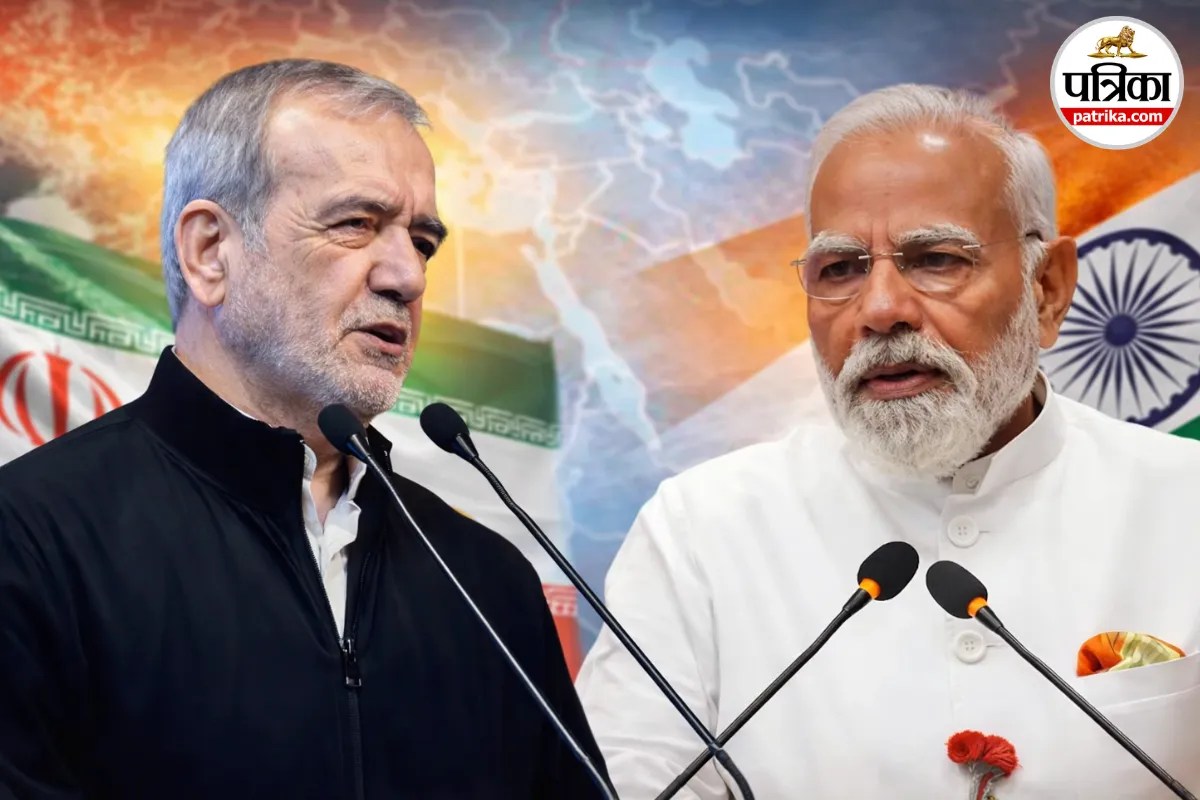
The media is obsessed with the idea that Tehran and Beirut hold the remote control to Benjamin Netanyahu’s political survival. They frame it as a high-stakes chess match where an ill-timed rocket from Hezbollah or a calculated provocation from the IRGC could topple the Israeli government. This narrative is comfortable. It’s cinematic. It’s also fundamentally wrong.
If you want to understand the Middle East, stop looking for "instability." Look for the equilibrium.
The "Resistance Axis" doesn't want Netanyahu gone. They need him. And Netanyahu, despite the fiery rhetoric, relies on them to maintain his "Mr. Security" brand while systematically dismantling the possibility of a Palestinian state. This isn't a war of annihilation; it’s a symbiotic ecosystem of managed escalation.
The Myth of the External Veto
Mainstream analysis suggests that Iran or Hezbollah will "vote" in the Israeli election by launching an attack that forces a rally-around-the-flag effect or, conversely, exposes Netanyahu’s incompetence. This assumes that these actors are wild cards. They aren't. They are rational, risk-averse entities focused on regime survival.
I’ve spent years watching analysts predict a "total regional conflagration" every time a convoy gets hit in the Bekaa Valley. It rarely happens. Why? Because the current friction is the most profitable state of affairs for every leader involved.
For Tehran, Netanyahu is the perfect villain. He is polarizing, he alienates Western liberals, and his presence ensures that the focus remains on the "Zionist entity" rather than the crumbling Iranian economy. A centrist or left-leaning Israeli government that actually engages in credible peace talks would be a nightmare for the Ayatollahs. It would deprive them of their primary ideological export.
Market Volatility is a Feature Not a Bug
In the business of geopolitics, "security" is the product. To sell security, you need a visible, credible threat.
Netanyahu’s entire career is built on the premise that only he can stand against the Iranian nuclear program. If the Iranian threat were actually neutralized, his USP (Unique Selling Proposition) disappears.
Consider the mechanics of "mowing the grass"—the Israeli military strategy of periodic engagements in Gaza and Lebanon. It’s designed specifically not to solve the problem. It’s a maintenance schedule. You don't fix the engine; you just change the oil so it keeps running. If the grass is gone, the gardener is out of a job.
The False Premise of the "Moderate" Alternative
People often ask: "Wouldn't a different Israeli leader be better for regional stability?"
This question is flawed because it ignores the structural reality of the Israeli electorate. Any successor to Netanyahu would face the same binary choice: maintain the status quo or risk a civil war by attempting a two-state solution.
Most "centrist" challengers in Israel aren't offering a different map; they’re offering a more polite way to manage the same occupation. Iran knows this. Hezbollah knows this. They prefer the devil they know—one who is so divisive that he weakens Israel’s international standing while maintaining the precise level of tension required to justify their own "resistance" budgets.
Why "Provocations" are Actually Negotiations
When Hezbollah launches drones or Iran tests a missile, the media screams about "escalation." In reality, these are calibrated data points in a long-form negotiation.
Imagine a scenario where both sides are screaming at each other across a fence. If one side goes quiet, the other side gets nervous. The noise is the proof of life.
- The Tactical Leak: Note how often "secret" intelligence about Iranian plots is leaked just before a budget vote or an election cycle.
- The Red Line Shuffle: Both sides constantly redraw "red lines" that are never actually crossed. It’s a performance for domestic audiences.
- The Proxy Buffer: Using proxies like Hamas or the Houthis allows Iran to exert pressure without risking a direct hit on Isfahan. It’s the ultimate hedge.
The Economic Reality of the Forever War
War is expensive, but "preparation for war" is a trillion-dollar industry. The defense sectors in Israel, the United States, and even the sanctions-evading networks in Iran thrive on the perception of imminent collapse.
If you are an investor looking at the region, you shouldn't fear the "big one." You should fear the peace. Peace is unpredictable. Peace requires dismantling massive military-industrial complexes. The current state of "contained chaos" is remarkably stable for those at the top.
Stop Asking if They Will Interfere
The question isn't whether Iran will interfere in the Israeli election. The interference is the baseline.
The "Resistance Axis" doesn't want a weak Israel; they want a distracted, divided Israel led by a man who makes it easy for the rest of the world to look away. They want the guy who fights with Washington. They want the guy who prioritizes his own trial over the long-term strategic health of his country.
Netanyahu and his enemies are locked in a dance. They aren't trying to trip each other up; they’re trying to make sure the music never stops.
If you’re waiting for a "game-changing" intervention from the north or the east to settle the Israeli political crisis, you’re missing the point. They’ve already cast their vote. They voted for the status quo.
The greatest trick the devil ever played wasn't convincing the world he didn't exist—it was convincing the world he was trying to kill his best business partner.
Burn the map. The lines aren't where you think they are.