The headlines are buzzing with news that Pakistan and the Philippines are shifting to a four-day work week. If you’re a fan of the modern movement to slash working hours for the sake of employee burnout, you might be tempted to view this as a win.
Stop. Look closer.
This isn't a bold experiment in employee well-being or a response to the quiet quitting era. It's an emergency brake pulled during a global energy crisis. If you’re trying to understand why your office might be heading down this path—or why you might be expected to work longer days soon—you need to distinguish between the "productivity" four-day week and the "austerity" four-day week.
The Reality Behind the Headlines
When companies or countries talk about a four-day work week as a productivity strategy, they usually mean "do more with less time." They want to cut out the bloat of unnecessary meetings and long lunch breaks to condense forty hours into thirty-two, keeping pay the same.
That is not what is happening in Manila or Islamabad right now.
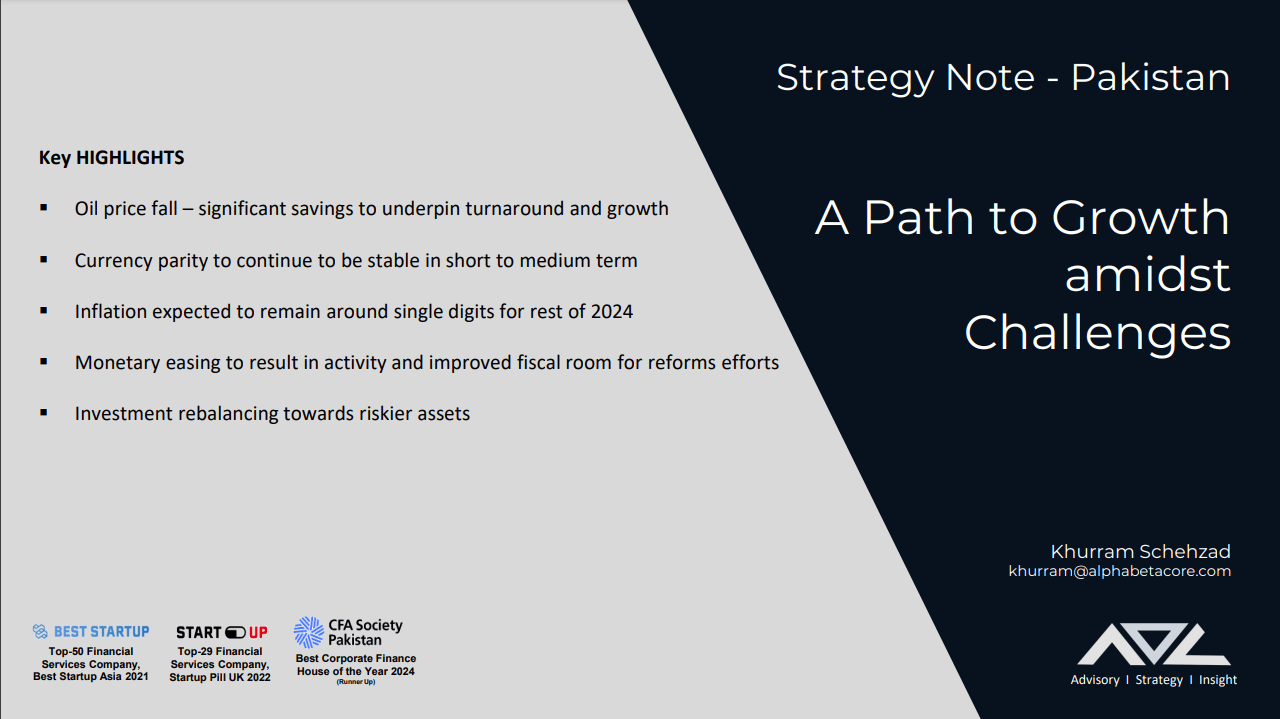
The governments of Pakistan and the Philippines have mandated a four-day work week as a direct response to the escalating Middle East conflict. With global oil supplies under threat and fuel prices surging, these nations are doing the math. When you cut one day of commuting and office electricity consumption, you save a significant amount of fuel and power.
This is austerity, plain and simple. It’s an economic survival tactic, not a lifestyle revolution.
What This Means for Your Routine
If you are currently working in or with these regions, don't expect a relaxing long weekend.
In many of these government-mandated structures, the "four-day week" actually translates into a compressed schedule. You might still be working a forty-hour week, just crammed into four days instead of five. That often means ten-hour shifts—starting earlier and ending later.
If you are used to a standard 9-to-5, a 7-to-6 schedule is a different beast entirely. It eats into your evenings. It makes the "work" part of your life dominate your entire waking day.
Who Gets Left Out?
It’s crucial to note who this doesn't apply to. Essential services, hospitals, emergency response, and police departments are almost universally exempt from these cuts. If your job involves keeping the lights on, keeping people safe, or delivering frontline care, the concept of a shortened week is often impossible.
The divide between "office-based" work that can be compressed and "frontline" work that requires a constant presence is widening. If you're in an industry that needs to be there 24/7, you won't see these austerity benefits. You might actually see more pressure, as businesses try to cover the gaps created by those on reduced schedules.
Is This the Future of Work?
The shift in Pakistan and the Philippines serves as a stark reminder of how fragile our modern work structures really are. We assume our work-life balance is a static right, but the moment oil prices spike or energy grids falter, that balance is the first thing to be sacrificed for national stability.
For those of you looking at these headlines and hoping your local employer will follow suit: be careful what you wish for.
There are two ways to get a four-day work week. One is through genuine efficiency gains, where technology and better processes allow you to produce the same value in fewer hours. The other is through external force, where you are working longer, harder hours in a single day just to keep a shaky system running.
How to Prepare Your Own Team
If you are a manager or a business owner watching these trends, don't wait for a crisis to force your hand.
- Focus on Output, Not Hours: If you want to move toward a four-day model, start by auditing your team’s output. If they can hit their KPIs in 32 hours, why are you insisting on 40?
- The "Compressed" Trap: Avoid blindly moving to 10-hour days. Research shows that cognitive performance drops significantly after 8 hours. Pushing your team to work 10 or 12 hours often results in "presenteeism"—people are at their desks, but they aren't working effectively.
- Set Clear Communication Standards: If you move to a hybrid or reduced-day schedule, you must define when people are reachable. The "always-on" culture is what really burns people out, not the number of days they sit at a desk.
The news from the East isn't about humanizing the workplace. It's about conserving energy. Use this as a wake-up call to evaluate your own workflows, but don't mistake crisis management for progress. Real, sustainable change comes from efficiency, not austerity. If you’re just shifting your hours to save on gas, you’re just rearranging the deck chairs on a sinking ship. Start optimizing your work today, so you don't have to scramble when the next crisis hits.