The air in a small town usually tastes like nothing at all. It is silent, thin, and predictable. But on a Tuesday night in a neighborhood where everyone knows whose dog is barking, the air suddenly thickened with the smell of accelerant and melting vinyl. It was the smell of a life being erased in real-time.
Behind the yellow police tape and the sterile language of a court docket lies the story of a man who didn’t just steal; he chose to destroy. We often talk about burglary as a crime of property. We count the missing jewelry, the smashed televisions, and the pry marks on the doorframe. We rarely talk about the moment a home stops being a sanctuary and starts being a cage.
The Anatomy of a Choice
Burglary is usually a quiet sin. It happens in the shadows, fueled by desperation or the cold calculation of a quick buck. But what happened between a man named Robert and his neighbor wasn't a transaction. It was an escalation that defied the basic wiring of human empathy.
He didn’t just enter the house. He waited.
When the homeowner returned, the intruder didn't run for the window. He didn't drop the loot and flee into the dark. Instead, he doused the man in flammable liquid. He struck a flame. In that split second, the crime shifted from a felony against a building to a war against a soul. Fire is an intimate weapon. To use it on another person requires a specific, terrifying presence of mind. It is slow. It is agonizing. It is loud.
The neighbor didn't die immediately. He lived through the initial horror, bearing the physical and psychic scars of a betrayal by someone who lived just a few yards away. For years, the legal system ground its gears, moving through appeals, stays of execution, and the slow, rhythmic march of due process.
The Ghost in the Neighborhood
What does it do to a street when the monster lives in 4B?
The community wasn't just grieving a victim; they were grappling with the death of safety. In the wake of the attack, the invisible threads that hold a neighborhood together began to snap. People started double-locking doors they used to leave open for the mailman. They looked at the flickering lights of the house next door and wondered if the person inside was a friend or a predator lying in wait.
This is the hidden cost of violent crime. It isn't just the medical bills or the funeral costs. It is the "what if" that keeps a mother awake at 3:00 AM. It is the way a father grips his flashlight a little tighter when he hears a floorboard creak.
The legal system views this through a lens of statutes and precedents. To the state, this was a capital case involving a home invasion and a particularly cruel method of killing. The law looks for "aggravating factors." It seeks to weigh the darkness of the act against the requirements of justice. But to the people on that street, it was never about "factors." It was about the fact that they could no longer trust the silence of their own hallways.
The Long Walk to the Chamber
Years have passed. The headlines now focus on the execution—the finality of a needle and a gurney. We debate the ethics of the death penalty. We argue about the length of time spent on death row. We scrutinize the chemicals used and the witnesses invited.
But as the clock ticks down for the man who brought fire to his neighbor’s doorstep, we have to look at what justice actually looks like. Is it a mirror? Does the state taking a life balance the scales for the life that was burned away?
The victim’s family has spent a decade in a strange sort of purgatory. They have lived with the memory of the screams and the smell of the smoke. For them, the execution isn't a "closure" in the way movies depict it. It is simply the end of a chapter that should never have been written.
There is a specific kind of exhaustion that settles into the bones of those left behind. They aren't cheering. They are just tired. They are tired of the court dates, tired of the name of the killer appearing in their news feeds, and tired of the way a single night of violence redefined their entire existence.
The Weight of the Flame
Consider the mechanics of the act. To pour liquid on a human being is a deliberate, rhythmic motion. It takes several seconds. In those seconds, there is time to stop. There is time to see the fear in the other person's eyes. There is time to remember that this is a neighbor, a person who shares the same zip code and breathes the same air.
The killer chose not to stop.
That choice is what haunts the jury. It is what haunts the survivors. It is the reason the state decided that his life was a debt that needed to be paid. When we talk about the "man set to be executed," we are talking about the end of a long, dark road paved with a series of increasingly horrific decisions.
Modern society likes to think we have evolved past the primal. We have smart locks, ring cameras, and high-tech security systems. We believe we can insulate ourselves from the chaos. But the reality is that we are always at the mercy of the person next door. We live in a fragile web of mutual agreement: I won't hurt you if you don't hurt me.
When that agreement is broken by fire, the damage is permanent.
The Silence That Follows
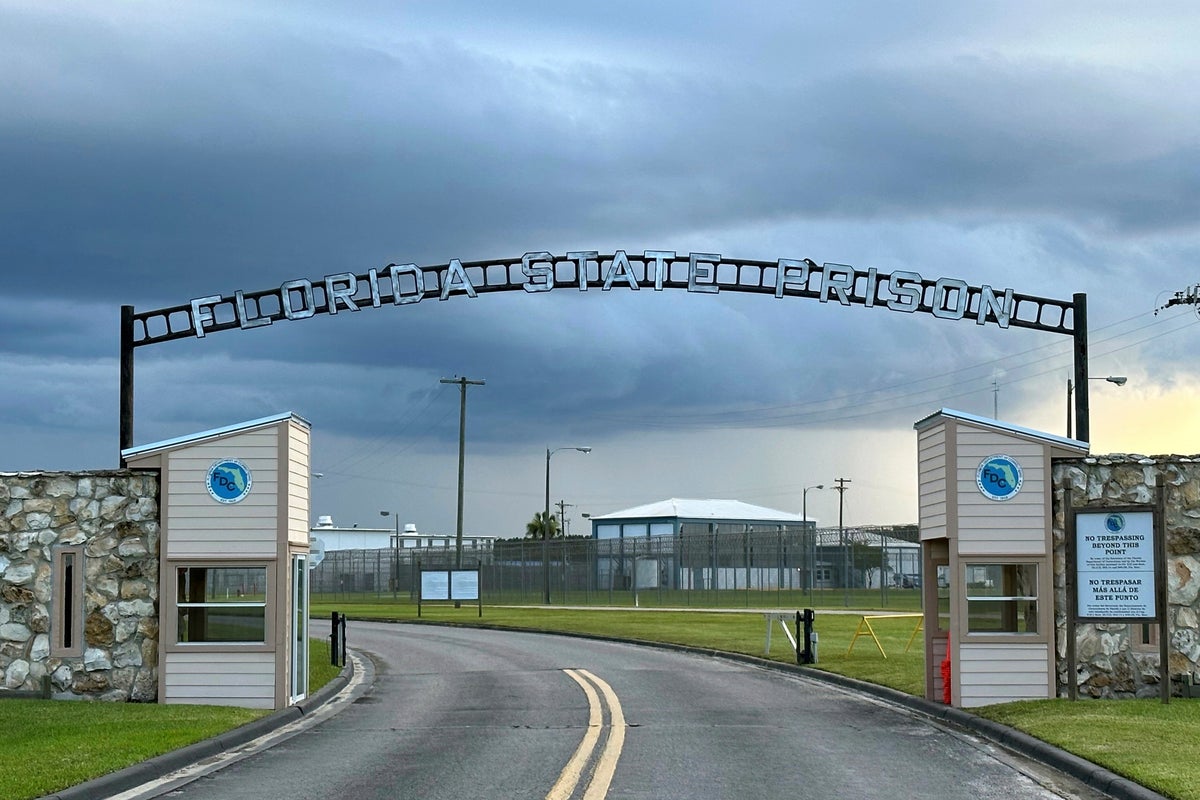
The execution will happen. The vans will leave the prison. The reporters will file their stories and move on to the next tragedy. The man who committed the act will become a statistic in the annual report of the Department of Corrections.
But back in that neighborhood, the impact remains.
There is a house that feels a little colder than the others. There is a patch of ground that seems to remember the heat. And there are people who, even years later, cannot look at a simple box of matches without feeling a shiver of recognition.
Justice is a heavy thing. It doesn't bring back the man who was burned. It doesn't erase the trauma of the night the burglary turned into a massacre. It only ensures that the person responsible cannot do it again.
As the sun sets on the day of the execution, the neighborhood stays quiet. The porch lights come on, one by one, casting long shadows across the pavement. Each one is a small, defiant flicker against the dark—a silent prayer that the air will stay thin, predictable, and safe once more.
The flame is out, but the ash remains.