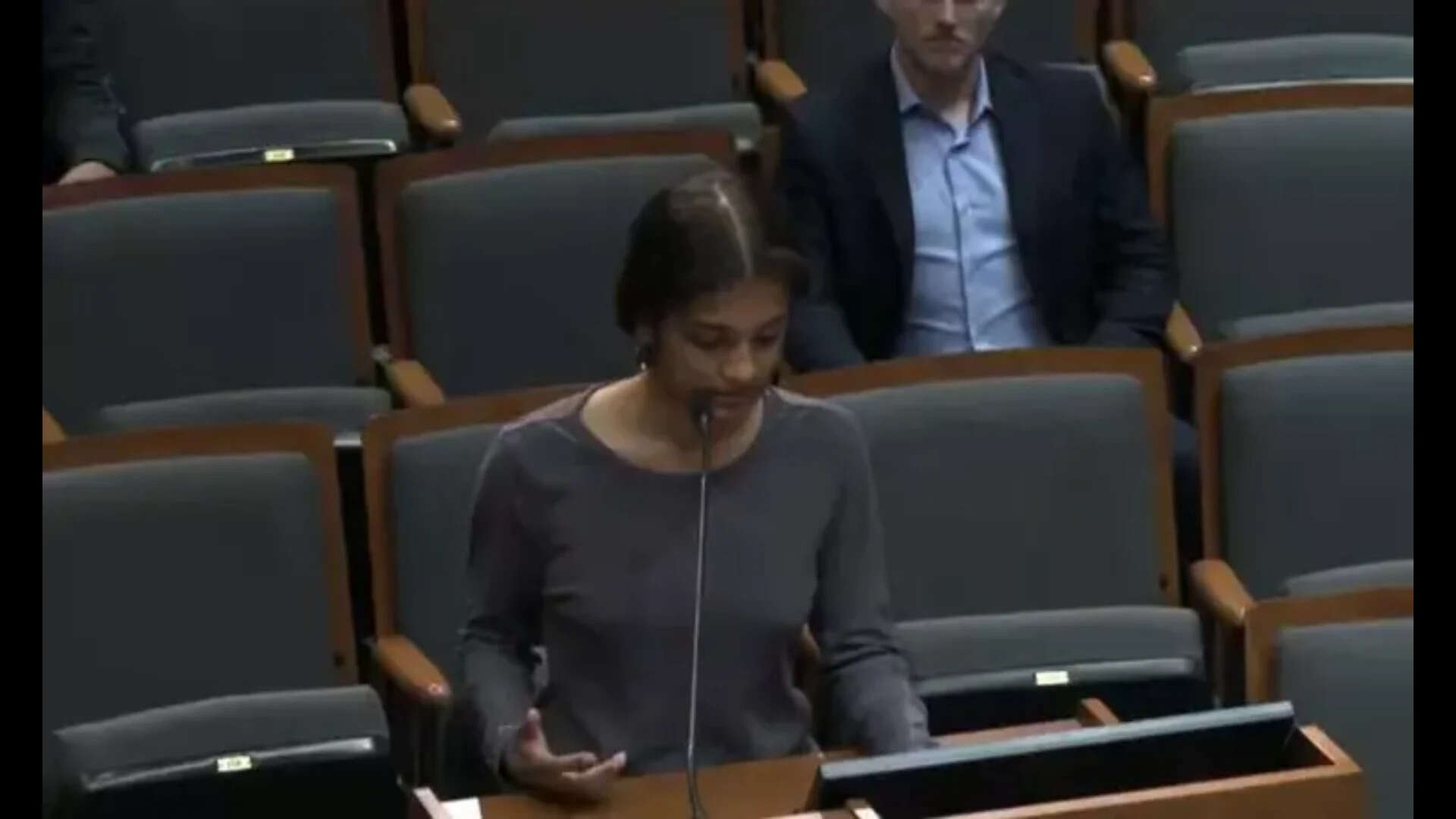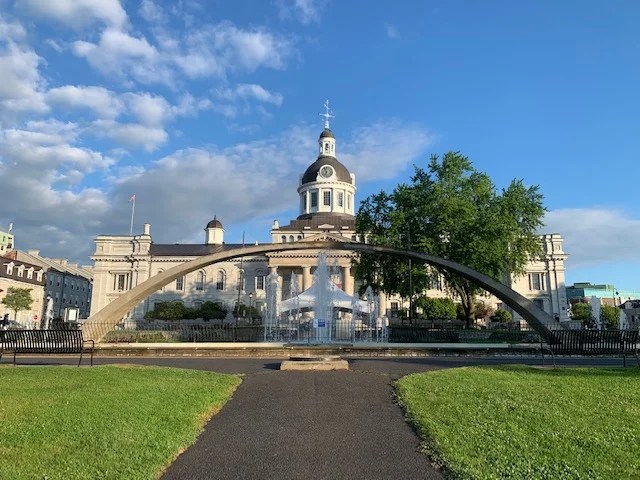
The air in council chambers usually tastes like stale coffee and old carpet. It is a room where silence is heavy, broken only by the rhythmic clicking of pens or the occasional shuffling of thick, white paper packets. On a Tuesday night in Kingston, this room became the stage for a quiet, bureaucratic drama that says more about the future of local leadership than any campaign poster ever could.
At the center of the debate was a simple question of numbers. Should the people steering the city’s future be paid more? And more importantly, should the job of a city councillor finally be treated as the grueling, forty-hour-plus-a-week commitment it has clearly become?
The council eventually said yes to the money, but no to the clock. They voted to increase their own pay while simultaneously pushing the transition to full-time status into the long grass of the future. It was a decision that felt, to those watching from the gallery, like a half-bridge built over a very wide canyon.
The Ghost of the Citizen Legislator
Consider a hypothetical woman named Sarah. Sarah is thirty-two, sharp as a tack, and works as a mid-level manager at a local tech firm. She has lived in Kingston her whole life. She sees the housing crisis creeping up her block. She sees the transit gaps. She wants to run for council because she actually gives a damn about the potholes and the zoning bylaws.
But then Sarah looks at the math.
Until this week, a Kingston councillor’s salary sat at roughly $35,000. For that price, the city expects Sarah to attend marathon evening meetings, sit on half a dozen committees, answer three hundred frantic emails about snow removal, and maintain a deep, technical understanding of multi-million dollar infrastructure budgets.
To survive, Sarah has to keep her day job. But her day job requires her to be in a swivel chair from nine to five. The council work happens in the margins—the early mornings, the lunch breaks, the late nights after the kids are in bed. Eventually, something snaps. The quality of the governance suffers, or the human being behind the desk burns out.
The "citizen legislator" is a beautiful, romantic myth. It suggests that any regular person can just pop into city hall after a shift at the hardware store and make complex decisions about urban density. In reality, that low pay grade creates a filter. It ensures that the only people who can afford to run are the retired, the independently wealthy, or the self-employed who can disappear from their business at 2:00 PM on a Tuesday.
By raising the pay to roughly $45,000—a 28% jump—the council attempted to widen that filter. They are trying to make it possible for someone like Sarah to at least consider the job without facing financial ruin.
The Halfway House of Governance
The tension in the room wasn't about whether the work is hard. Everyone knows it’s hard. The tension was about the "full-time" label.
Moving to a full-time council would have been a tectonic shift. It would have signaled that Kingston is no longer a sleepy town where the mayor knows everyone’s dog’s name. It would have been an admission that the city has grown into a complex machine that requires professional, full-time operators.
But the council hesitated.
They looked at the price tag of a full-time staff and the optics of "career politicians" and they blinked. They chose the pay raise—a necessary adjustment for inflation and workload—but they refused to change the job description.
This creates a strange, liminal space. Councillors are now being paid a bit more to do a job that everyone acknowledges is full-time in practice, but remains part-time on paper. It is a classic municipal compromise: give enough to quiet the immediate pain, but not enough to change the underlying system.
The "invisible stakes" here aren't found in the budget lines. They are found in the quality of the candidates who will step forward in the next election. If the job remains "part-time," the city continues to lose out on the perspectives of young professionals, hourly workers, and parents who simply cannot balance two lives at once.
The Weight of the Vote
There is a specific kind of exhaustion that settles over a councillor during a public hearing. You are sitting on a dais, looking down at a neighbor who is crying because a new development will block the sunlight in their garden. Behind them is a developer who is threatening to pull a $50 million investment if the project isn't approved tonight.
To navigate that moment, you need more than a good heart. You need hours of prep time. You need to have read the 400-page staff report. You need to have met with the planning department. You need to have walked the site.
When we underpay our local representatives, we are essentially saying that their preparation doesn't matter. We are saying we are okay with them "winging it" because they had to spend their morning at their "real" job.
The raise passed by the Kingston council isn't about greed. It’s about the cost of attention. If we want leaders who are focused on the long-term health of the city, we have to stop asking them to treat the city's future like a side-hustle.
The delay on full-time status is a delay on modernization. It’s a sign that the city is still struggling with its own identity, caught between the ghost of its small-town past and the demanding reality of its urban future.
The Long Road to the Next Ballot
The debate will return. It always does. The workload isn't going to shrink. The housing crisis isn't going to solve itself during a lunch break. The climate transition won't happen in the spare hours between 7:00 PM and midnight.
As the meeting adjourned and the lights in the chamber were dimmed, the fundamental problem remained leaning against the wall. The city has agreed that the work is worth more, but it hasn't yet agreed that the work deserves a person's whole life.
Until that bridge is finished, the chair at the council table will remain a luxury that many of Kingston's best and brightest simply cannot afford to sit in.
The door to the chamber clicked shut, leaving the heavy silence to settle back over the empty desks.