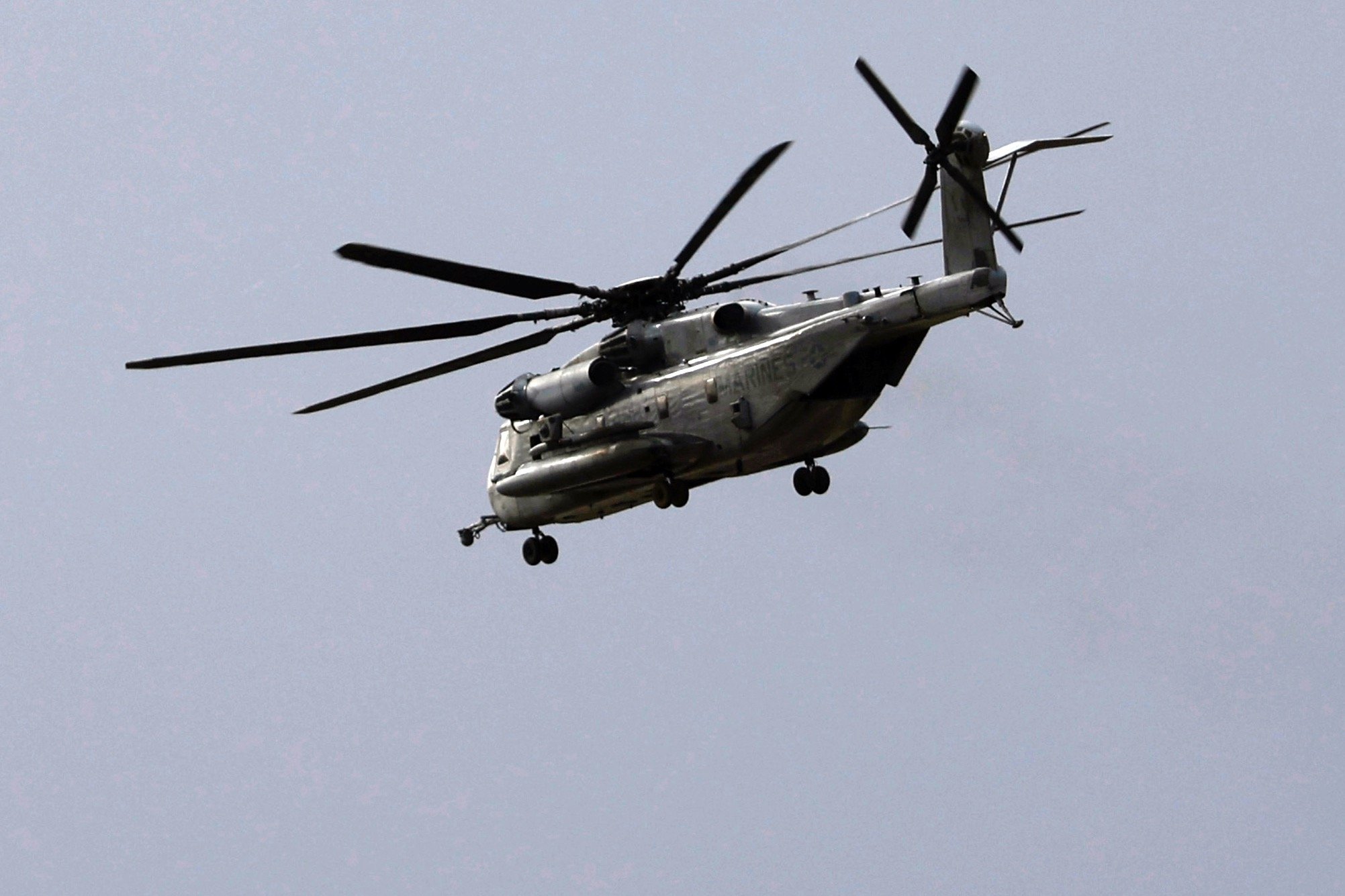
Seven lives were lost in a moment of mechanical failure. That's the cold reality of the recent helicopter crash in Qatar. When a military aircraft goes down during a routine training mission, the immediate reaction is usually a mix of shock and a demand for answers. In this case, both Qatari and Turkish authorities have pointed to a technical malfunction as the culprit. It wasn't enemy fire. It wasn't a complex tactical error. It was the machine itself failing the people inside.
This incident involved a state-of-the-art AgustaWestland AW139, a workhorse of modern aviation. These machines are supposed to be the gold standard for reliability. Yet, here we are, looking at wreckage and mourning a crew. This isn't just a localized tragedy for Doha; it's a wake-up call for every defense department relying on high-tempo training schedules and complex supply chains.
What happened in the skies over Qatar
The facts are straightforward but devastating. During a joint training exercise between Qatari and Turkish forces, the helicopter experienced a catastrophic failure. Reports indicate that the crew attempted to manage the situation, but the altitude and the nature of the malfunction left them with zero margin for error.
Military training is inherently dangerous. You're pushing equipment to its limits to ensure that when real conflict happens, the muscle memory is there. But "technical malfunction" is a broad term that hides a lot of specific, painful truths. It could mean anything from a faulty gearbox to a software glitch in the avionics suite. The Qatari Ministry of Defence hasn't released the granular data yet, but the speed with which they identified the cause suggests the failure was obvious and internal.
The Turkish connection and the AW139 factor
Why were Turkish authorities involved in the announcement? Because the two nations have a deep-seated military partnership. Turkey maintains a significant military base in Qatar, and their personnel often fly together. This wasn't just a Qatari loss. It was a shared blow to a strategic alliance that has defined Persian Gulf politics for the last decade.
The AW139 itself is a fascinating piece of hardware. Produced by Leonardo (formerly AgustaWestland), it’s used by everyone from the US Air Force to civilian emergency services. It’s known for having a massive power reserve. If one engine fails, the other is usually more than enough to keep it in the air. For a crash to result in seven fatalities, something went wrong that bypassed those safety nets. We're talking about a total loss of control or a structural failure that no amount of pilot skill could counteract.
Why technical malfunctions still happen in 2026
You'd think that with all our sensors and predictive maintenance, we'd have moved past "technical malfunctions." We haven't. If anything, the complexity of modern helicopters makes them more vulnerable to "cascading failures." That's when one small part breaks and triggers a chain reaction that shuts down multiple systems.
The desert environment in Qatar is also brutal. Fine sand is the enemy of every moving part in a turbine engine. It erodes compressor blades. It clogs cooling vents. Even with the best filters in the world, the environment is constantly trying to chew up the machinery. Maintenance crews in the Gulf work harder than almost anywhere else just to keep these birds airworthy.
- Heat stress: Operating in 40°C+ temperatures thins out the air, forcing engines to work harder.
- Sand ingestion: Micro-abrasions on engine components lead to premature wear.
- High-tempo ops: Frequent training means less downtime for deep-tissue inspections.
The human cost of the training grind
We often talk about military hardware in terms of "assets" and "platforms." That's a mistake. When a helicopter crashes, it's families that get broken. Seven people died. These were experienced pilots and technicians, the kind of people who are the backbone of any air force.
There’s an old saying in aviation that "the flight manual is written in blood." Every time an accident like this happens, investigators pour over the black boxes to find out exactly which bolt sheared or which sensor gave a false reading. The goal is to make sure it never happens again. But for the seven families in Qatar and Turkey, that’s cold comfort.
What defense departments need to do now
If you’re running a fleet of AW139s or similar multi-role helicopters, this crash is a signal to stop and look at your maintenance logs. It’s easy to get complacent when a machine has a reputation for being reliable. You start thinking you can skip the extra inspection or push the service interval just a little bit further because the "system" says it’s fine.
The immediate next step for the Qatari Emiri Air Force is a fleet-wide safety stand-down. They need to inspect every rotor head, every fuel line, and every transmission casing. This isn't about blaming the mechanics. It's about acknowledging that even the best machines have breaking points.
Check your service bulletins. If there's a recurring issue with a specific batch of parts, now is the time to replace them, not after the next training cycle. Safety isn't a checkbox; it's a constant state of paranoia. If you aren't worried about what might break next, you aren't doing it right. Stay on top of the debris analysis coming out of Doha. It might just save your own crew's lives.