British Prime Minister Keir Starmer has spent the last forty-eight hours explaining why the Royal Air Force stayed on the tarmac while American and Israeli jets lit up the Iranian skyline. While the official line focuses on regional stability and the avoidance of "unnecessary escalation," the reality is buried in a complex web of depleted military stocks, shifting diplomatic priorities, and a desperate need to repair domestic infrastructure over foreign adventures. Starmer isn't just playing the role of a peacemaker; he is managing a nation that currently lacks the logistical depth to sustain a high-intensity air campaign without significant American subsidies that were not on the table this time.
The decision to refrain from joining the latest wave of strikes against Iranian ballistic missile facilities marks a sharp departure from the "shoulder-to-shoulder" rhetoric that defined the Blair and even the Sunak eras. For decades, the UK has functioned as the primary junior partner in Middle Eastern kinetic operations. By opting out, Starmer has signaled that the "Special Relationship" is entering a transactional phase where British involvement is no longer a given. For another view, check out: this related article.
The Logistics of Restraint
Strategic patience is often a polite term for a lack of options. To understand why the UK sat this one out, you have to look at the state of the Royal Air Force (RAF) and the Royal Navy. The UK’s current carrier strike capability is formidable on paper but fragile in practice. With one carrier frequently in maintenance and the other facing staffing shortages, the ability to project power in the Persian Gulf without total reliance on US refueling and intelligence is thinner than the Ministry of Defence (MoD) likes to admit.
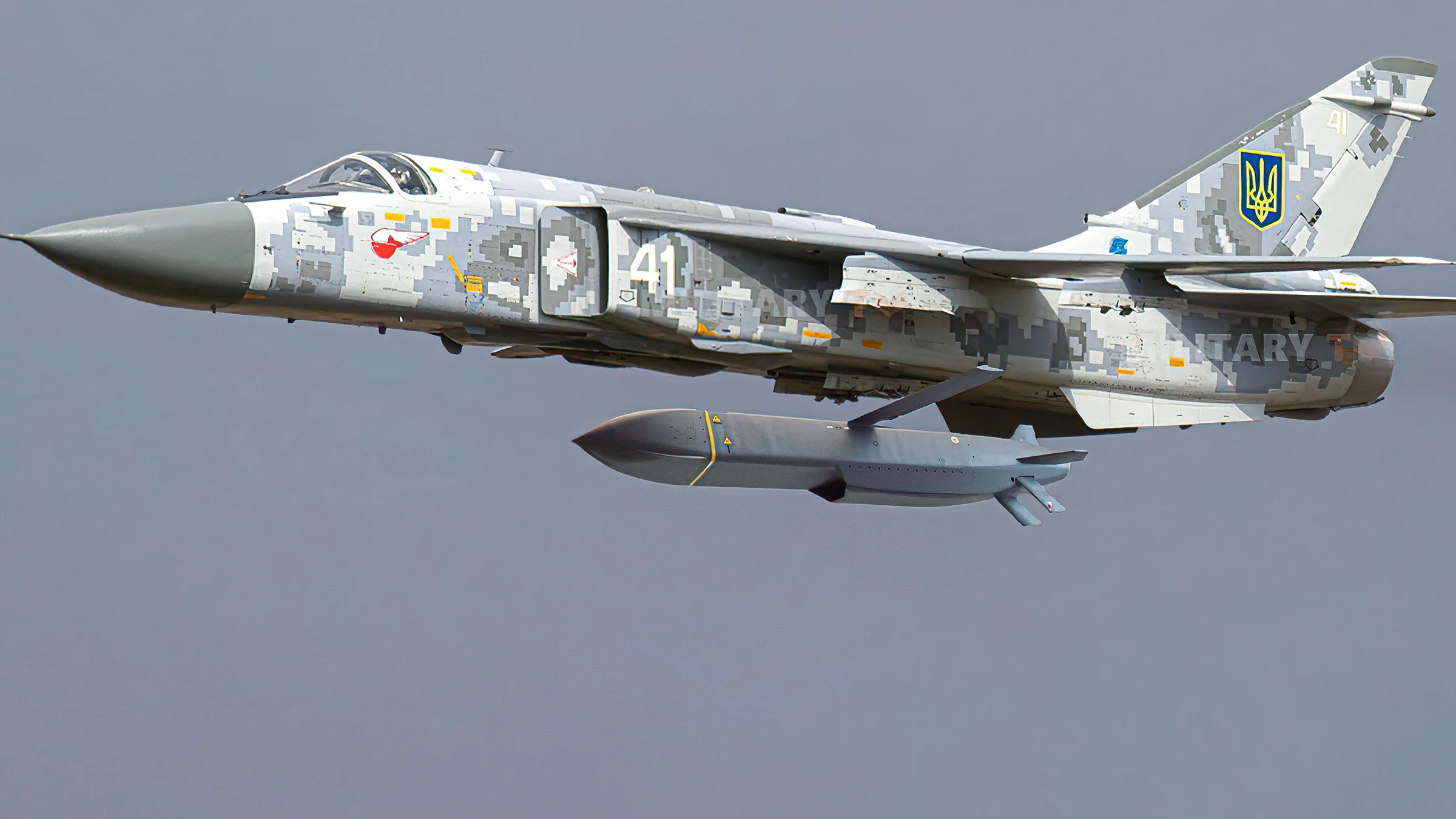
Moreover, the cost of these sorties is staggering. A single Storm Shadow cruise missile carries a price tag of roughly £800,000. During the initial months of the Ukraine conflict and subsequent Red Sea operations against Houthi rebels, the UK’s stockpiles of precision-guided munitions reached levels that senior military analysts described as "concerning." Starmer is inherited a defense budget that is already stretched to its breaking point by commitments in Eastern Europe. Similar insight on this matter has been provided by The New York Times.
Launching a strike on Iran isn't just about the flight time from Cyprus. It involves a massive tail of support: tankers, electronic warfare assets, and search-and-rescue teams on standby. When the US decided to move forward with a specific set of targets that focused on Iranian manufacturing rather than nuclear sites, Downing Street calculated that the political risk of participation outweighed the strategic gain. They chose to save their "bullets" for a fight that directly threatens British soil or immediate NATO interests.
The Diplomatic Calculation in a Multi-Polar World
Starmer is also navigating a minefield within his own party. The Labour government holds a massive majority, but that majority is ideologically diverse. A significant wing of the party remains deeply skeptical of Western interventionism in the Middle East, a scar left by the Iraq War that has never truly healed. By staying out of the cockpit, Starmer avoids a backbench rebellion at a time when he needs party unity to pass a grueling domestic budget.
There is also the matter of the "E3"—the diplomatic grouping of the UK, France, and Germany. Paris and Berlin have long advocated for a path that keeps channels open with Tehran, however narrow those channels might be. By aligning more closely with European caution than American aggression, Starmer is signaling a "Europe-first" foreign policy. This isn't a snub to Washington as much as it is an admission that the UK’s economic future is tied to its neighbors.
The Intelligence Gap
In previous conflicts, the UK provided a unique intelligence "value-add" that made their participation essential. This time, the US and Israel operated on a shared intelligence loop that was so tightly integrated, the British contribution would have been largely symbolic. Sources within the intelligence community suggest that the specific targets—advanced centrifuge production sites and solid-fuel mixing facilities—were identified through assets that the UK did not have primary access to.
If you aren't providing the intelligence and you aren't providing the bulk of the firepower, you are essentially a decorative addition to the coalition. Starmer, a man who prides himself on being a pragmatic lawyer, likely saw no reason to sign the UK up for the legal and retaliatory liabilities of a strike where they were not a primary stakeholder.
Defense Industry Realities and the Ukraine Factor
We cannot ignore the shadow of Kyiv. Every air defense battery and long-range missile the UK possesses is being weighed against the requirements of the Ukrainian front. The British defense industry is currently in a race to ramp up production, but the lead times on high-end components are measured in years, not months.
The UK is currently prioritizing the delivery of AS90 self-propelled guns and Martlet missiles to the Ukrainian Armed Forces. To pivot and expend significant resources on a symbolic strike in Iran would be a gamble with the UK’s own "shelf life" in a protracted European conflict. The MoD is effectively running a "just-in-time" military, and the inventory simply didn't support a secondary theater of operations this week.
The Threat of Asymmetric Retaliation
Tehran does not strike back with conventional jets; they strike back through proxies and cyber warfare. The UK’s National Cyber Security Centre (NCSC) has been on high alert for months. An active British role in the bombing of Iranian soil would have turned the "low-level" cyber noise from Iranian-backed groups into a targeted campaign against British infrastructure—hospitals, power grids, and financial institutions.
Starmer’s team conducted a risk-reward analysis and found the "risk" column overflowing. The UK is currently vulnerable to the kind of asymmetric "grey zone" warfare that Iran excels at. Without a clear and present danger to British citizens, the government decided that the cost of a retaliatory cyber-attack on the NHS was not worth the optics of a few RAF Typhoons appearing in a Pentagon press briefing.
The Shifting Sands of the Special Relationship
For years, the mantra in London was "stay close to the Americans to have a seat at the table." But under the current US administration, that table has become increasingly crowded and the seating chart more fluid. Washington did not "demand" British involvement; they "notified" the UK of their intent. This distinction is vital. It shows a US administration that is confident enough to act with its primary regional ally, Israel, without needing the diplomatic "cover" of a broader Western coalition.
This leaves the UK in a strange position. It is no longer the indispensable deputy. Instead, it is a regional power with global interests that must now pick its battles with extreme care. This is the "New Realism" of British foreign policy. It is less about the grandeur of the "Global Britain" slogan and more about the cold math of what a medium-sized island nation can actually afford to sustain.
The Economic Burden of Global Policing
While the US has a defense budget that can absorb the cost of a weekend's worth of Tomahawk launches, the UK is currently debating how to fill a £22 billion "black hole" in its public finances. Every hour a Typhoon is in the air costs approximately £80,000 in fuel, maintenance, and airframe depreciation. When you add the cost of the ordnance, a single night of strikes could easily cost the British taxpayer £30 million to £50 million.
In a climate where the government is cutting winter fuel payments for some retirees and keeping a cap on child benefits, the optics of spending tens of millions to blow up a factory in the Iranian desert are toxic. Starmer is a politician who is acutely aware of the "cost-of-living" lens through which every government action is viewed. He chose to spend his political and financial capital at home.
The Role of Integrated Review Refresh
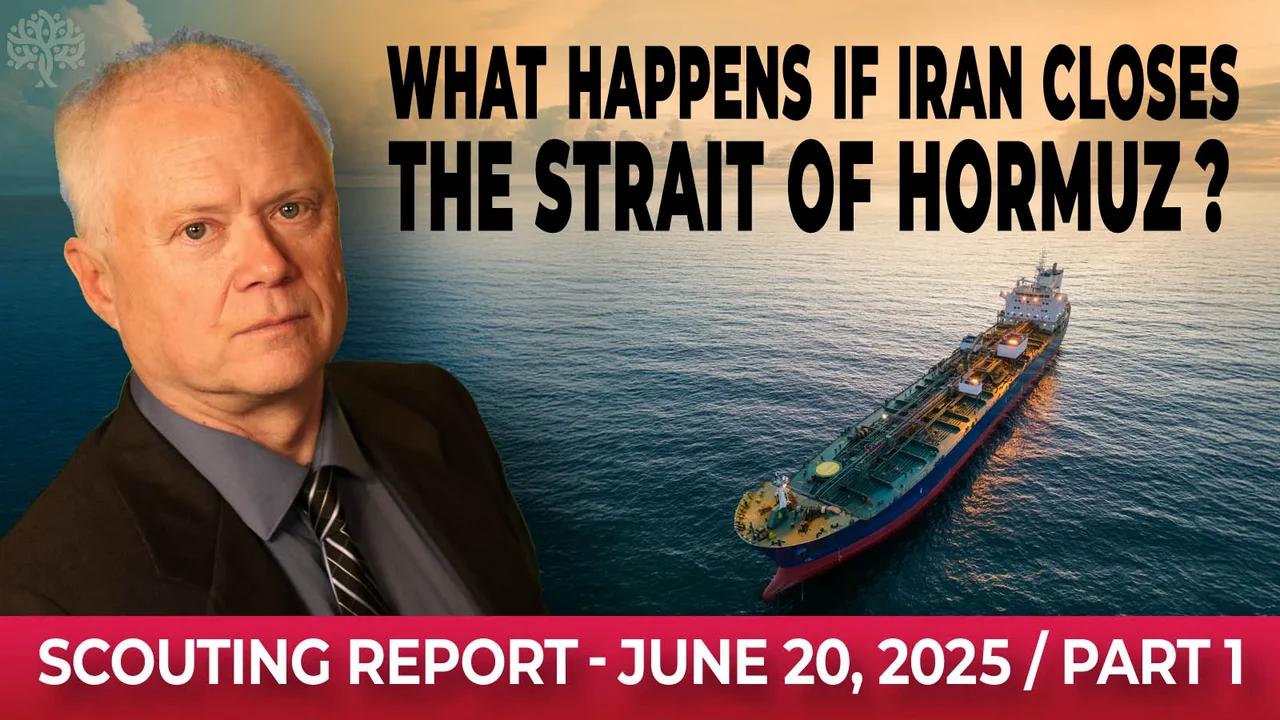
The UK’s strategic roadmap, the Integrated Review, was recently "refreshed" to emphasize the Indo-Pacific tilt and the immediate threat of Russia. Iran, while a significant regional disruptor, is categorized as a "managed threat." The doctrine suggests that the UK should lead on diplomacy and maritime security (like keeping the Strait of Hormuz open) while leaving heavy inland strikes to those with the massive carrier groups. Starmer followed this doctrine to the letter.
By staying out, the UK also preserves its ability to act as a back-channel. British diplomats still maintain a level of communication with Tehran that the US does not. If the goal is truly to prevent a total regional war, having a Western power that didn't participate in the latest bombing run can be a useful asset in the de-escalation phase.
Technical Limitations of the RAF in This Specific Theater
The geography of this strike favored long-range bombers and carrier-based F-35Cs, assets that the US possesses in abundance. The RAF’s primary strike aircraft, the Typhoon, requires multiple mid-air refuelings to reach Iran from its base in Akrotiri, Cyprus. This necessitates a massive deployment of Voyager tanker aircraft.
The logistical footprint for the UK to participate would have been disproportionately large compared to the number of targets they would have been assigned. In military terms, the "tooth-to-tail" ratio was unfavorable. The US could achieve the mission objectives more efficiently without the added complexity of integrating a small British contingent into the strike packages. It was a move dictated by the physics of the theater as much as the politics of the cabinet.
Rebuilding the Arsenal Instead of Emptying It
The hard truth that many analysts are missing is that Britain is currently in a period of managed decline regarding its conventional military reach. You cannot spend twenty years cutting the size of the army and the number of airframes and still expect to be the world's policeman. Starmer's refusal to join the strikes is the first honest admission of this reality by a British Prime Minister in a generation.
The focus is now shifting toward "Resilience." This means hardening domestic infrastructure, investing in next-generation drone technology, and rebuilding the basic munitions plants that have been dormant since the end of the Cold War. Participating in the US-Israel strikes would have been a vanity project that the UK could not afford, either militarily or socially.
Moving forward, expect the UK to double down on its role as a maritime guardian. The Royal Navy will continue to patrol the Red Sea and the Gulf, focusing on the "defensive" task of protecting trade routes. This allows the UK to remain relevant in the region without the escalating commitment of offensive land strikes. It is a safer, cheaper, and more sustainable way to project influence in a world where the old rules of intervention no longer apply.
If you want to see where the UK's true military priorities lie, stop looking at the Middle East and start looking at the North Atlantic and the borders of Estonia. That is where the limited resources of the British state are being channeled, leaving the high-altitude fireworks in Iran to those who still have the stomach—and the bank account—for them.
Check the MoD's upcoming quarterly procurement report to see how many missiles are being ordered versus how many were "saved" by this policy of restraint.