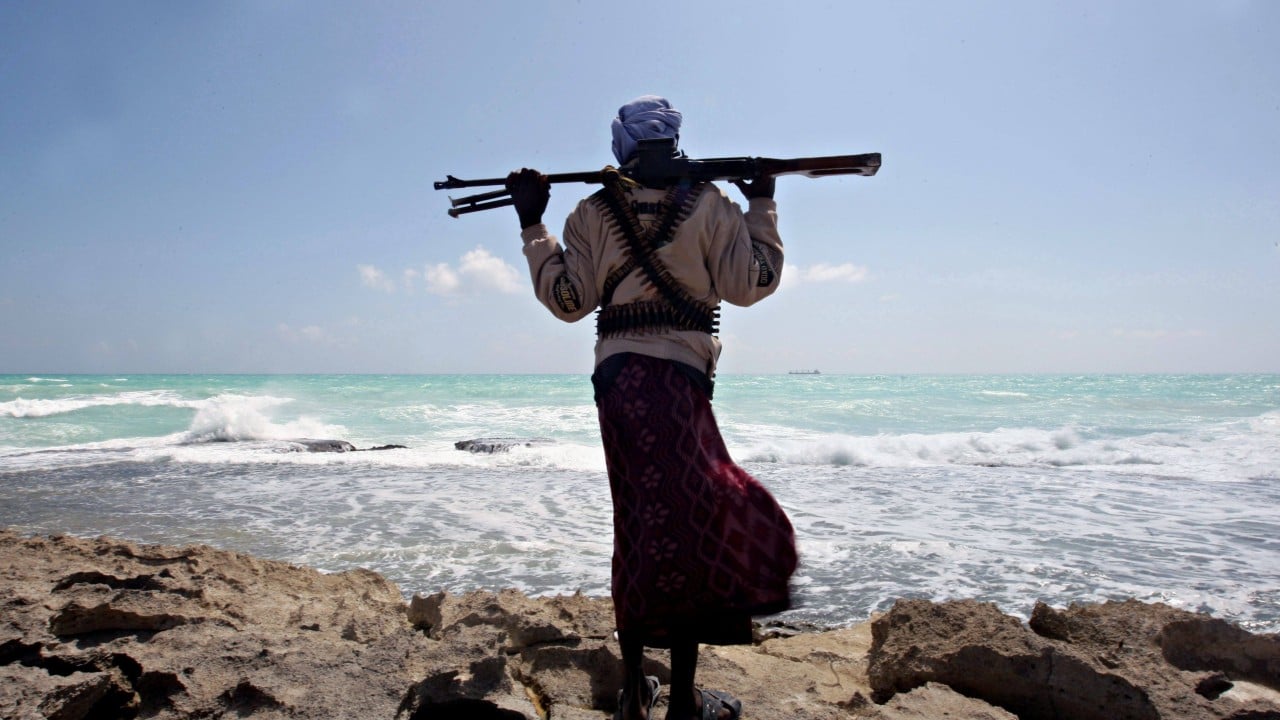
The hijacking of the oil tanker MT Honor 25 off the coast of Somalia, resulting in the capture of its 17 crew members, including Indonesian captain Ashari Samadikun, confirms what maritime intelligence agencies have feared for months. Somali piracy is back, and the international security apparatus is entirely unprepared for this second coming. For three consecutive years between 2020 and 2022, zero piracy incidents were reported in these waters. That era of absolute control has vanished.
The narrative from superficial news reports treats this resurgence as a sudden, random flare-up of lawlessness. That diagnosis is wrong. The hijacking of the MT Honor 25, which was transporting oil from Oman to Somalia when armed men boarded it, is the direct consequence of a massive, systemic security vacuum in the Western Indian Ocean and the Gulf of Aden. Global trade routes are facing a multi-front crisis, and the naval forces that once kept the Horn of Africa safe have been pulled away to fight other fires.
The Great Naval Diversion
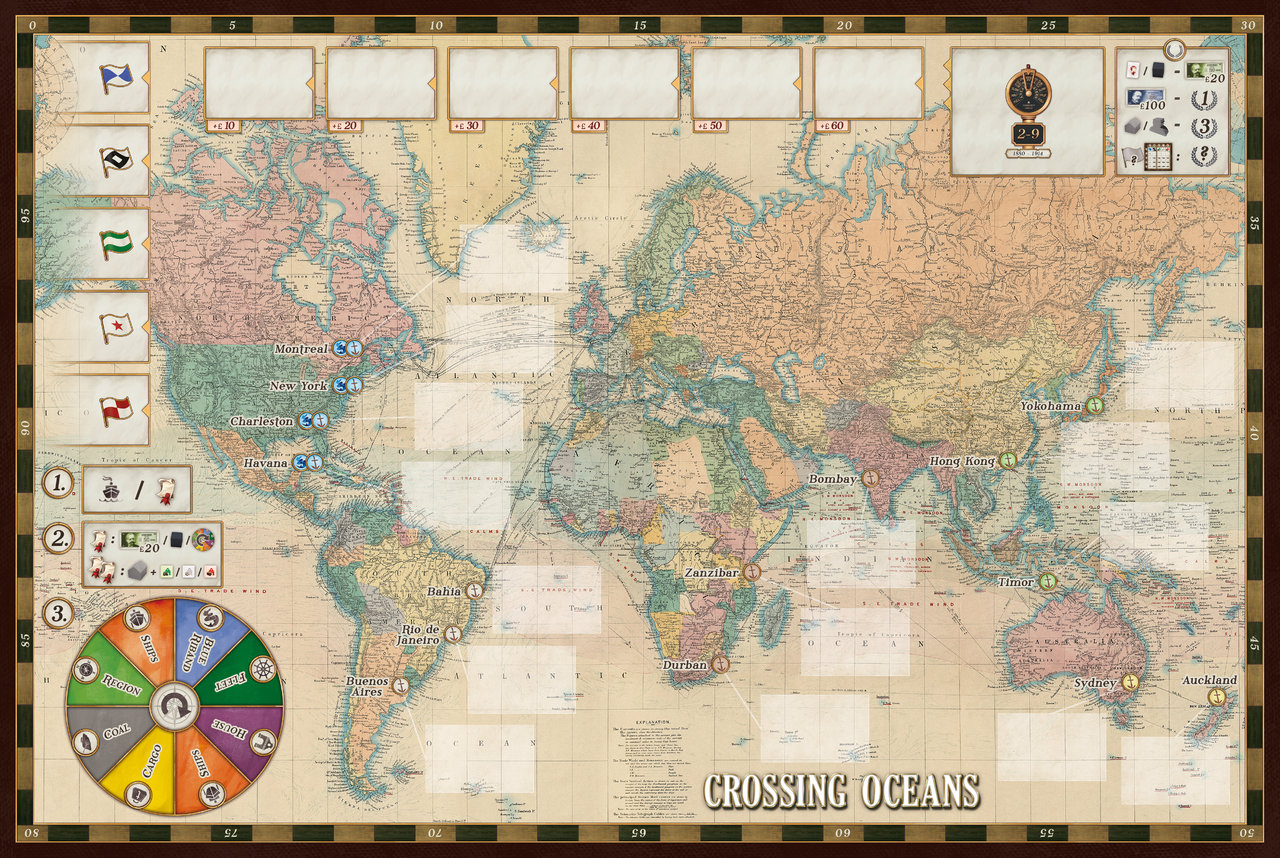
To understand why Captain Samadikun and his crew are currently held hostage, look at a map of regional geopolitical conflicts, not just the Somali coastline. The dramatic spike in Houthi missile and drone strikes against commercial vessels in the Bab al-Mandeb Strait and Red Sea forced international naval coalitions to shift their focus. Warships belonging to the United States, the United Kingdom, and various European allies were reassigned to protect the Red Sea corridor and conduct retaliatory strikes.
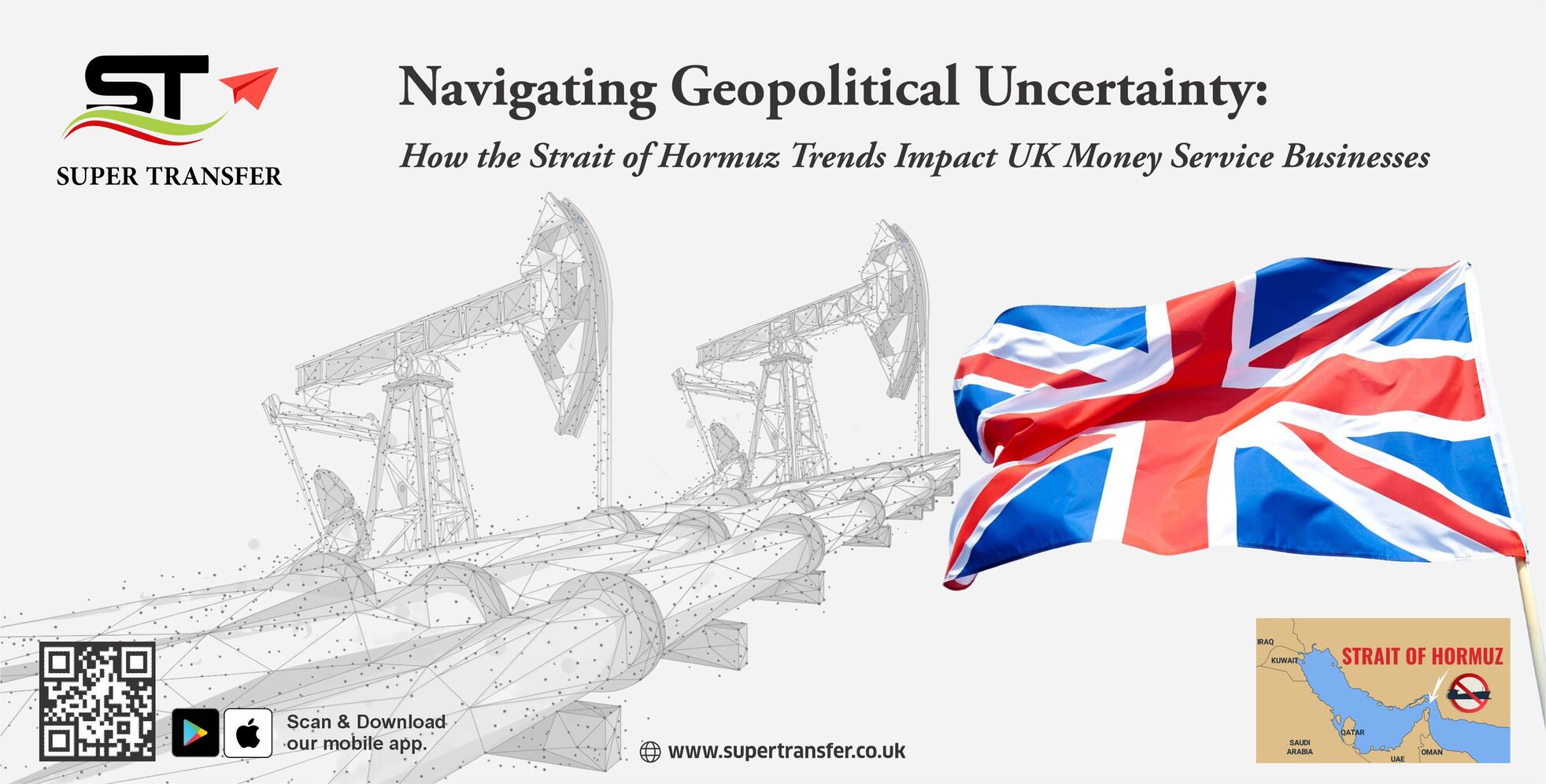
Simultaneously, escalating tensions around the Strait of Hormuz and the broader war involving Iran pulled even more naval assets away from the Arabian Sea. The math is simple and brutal. There are only so many warships available. When the European Union Naval Force’s Operation Atalanta and Combined Task Force 151 scaled back their active combat patrols off the Somali coast to cover these high-intensity conflict zones, the defensive perimeter collapsed.
Pirates operating from the coastal regions of Puntland watched the horizon empty out. They recognized the opportunity immediately. The Indian Navy has managed some spectacular interventions, such as the rescue of the bulk carrier Ruen, but a single navy cannot police millions of square miles of ocean alone. The deterrent is gone.
High Tech Pirates and Social Acceptance
The criminal networks launching skiffs from places like Eyl and Hobyo are far more sophisticated than the ragtag bands of fishermen who terrorized shipping lanes fifteen years ago. The modern Somali pirate does not just stumble across a target by luck. They utilize online ship-tracking platforms and maritime data streams to monitor vessel locations, speeds, and cargo profiles in real time. They know exactly which ships are vulnerable, which ones lack armed security details, and which routes are currently unmonitored by military aviation.
The economic infrastructure that funded the original piracy boom of 2005 to 2011 never truly dissolved; it merely went dormant. The financial syndicates capable of laundering ransom money, purchasing outboard motors, and acquiring automatic weapons remained intact.
Furthermore, the domestic conditions driving men into the ocean have worsened. Illegal, unreported, and unregulated fishing by massive foreign trawlers has systematically depleted local fish stocks along Africa’s longest coastline. Somalia loses an estimated $300 million annually to these unauthorized foreign fleets. In coastal communities devastated by severe droughts and inflation, piracy is frequently viewed not as a criminal enterprise, but as a legitimate form of coast guarding to protect sovereign waters from foreign exploitation. This domestic social acceptance makes recruiting foot soldiers incredibly easy.
The Ransom Economy Dilemma
Shipping companies now face an agonizing operational choice. During the peak of the crisis a decade ago, maritime firms spent billions of dollars on vehicle hardening, razor wire, water cannons, and privately contracted armed security personnel. As the threat faded, many operators cut these expensive security measures to preserve profit margins in a highly competitive logistics market.
The MT Honor 25 was carrying an oil cargo when it was boarded. Tankers, with their low freeboards and slow transit speeds when fully laden, are prime targets. If the owners of these vessels refuse to pay for armed guards, they are essentially gambling with the lives of their crews.
The families of the captured sailors, including Captain Samadikun’s relatives in Gowa Regency, South Sulawesi, are now pleading with governments in Jakarta and elsewhere to secure their release. However, state intervention in these scenarios is notoriously complicated. Dealing with decentralized pirate clans in semi-autonomous regions like Puntland requires delicate, gray-area negotiations. If a government or insurance firm pays a massive multi-million dollar ransom, they save the crew but simultaneously fund the purchase of better weapons, faster boats, and more advanced technology for the next attack.
The global supply chain cannot simply bypass the Horn of Africa. Diverting every ship around the Cape of Good Hope adds weeks to transit times, drives up fuel costs, and injects massive inflationary pressure into global consumer markets. The international community attempted to solve the piracy problem by treating it as a temporary tactical nuisance that could be suppressed by a temporary naval presence. That strategy failed. Until naval coalitions restore sustained, aggressive patrols in the Arabian Sea, and until the root causes of economic devastation on the Somali coast are directly addressed, more crews will be taken, and more captains will find themselves held for ransom in the dunes of Puntland.