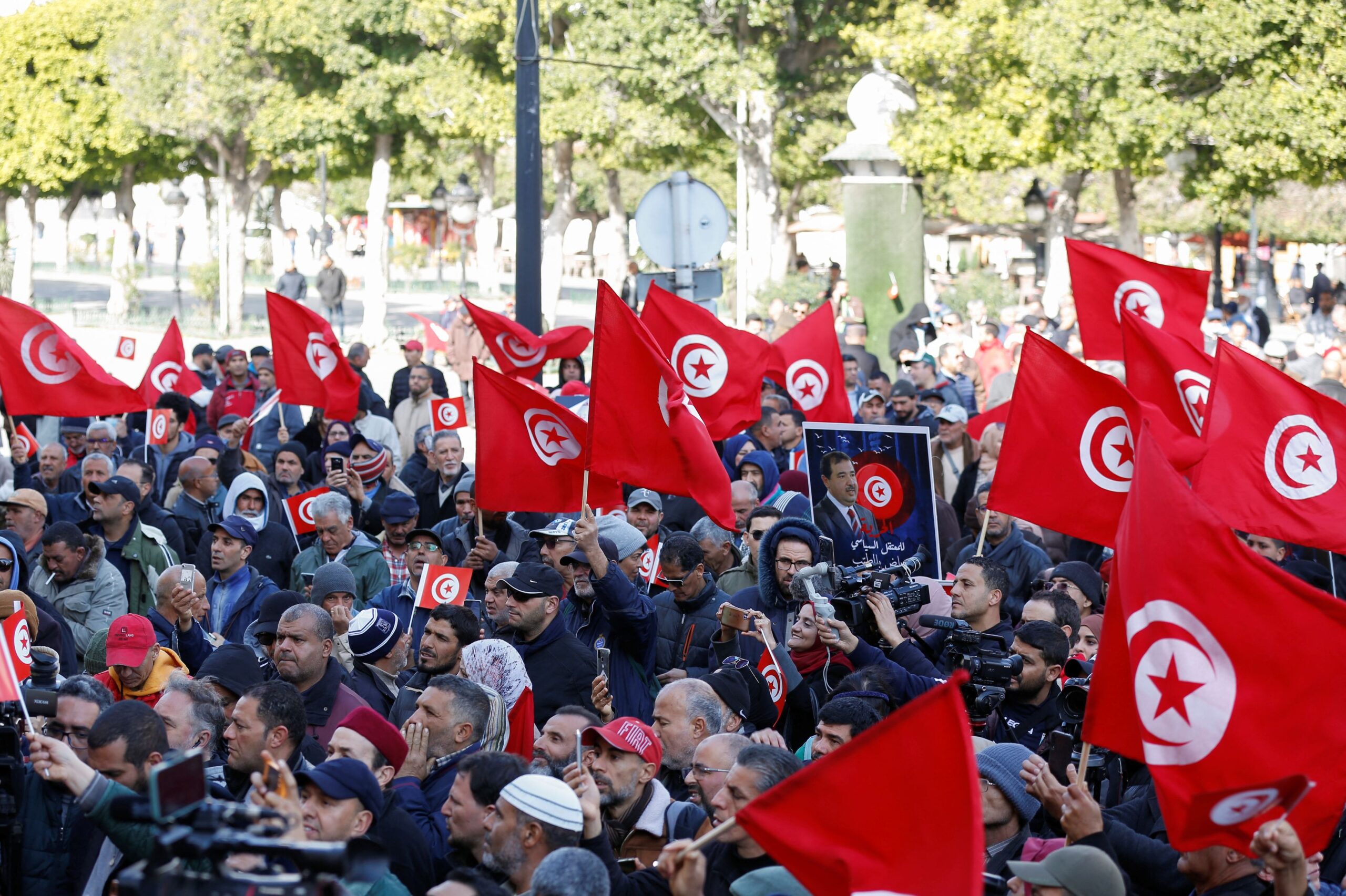
Tunisia just threw the book at Marouane Mabrouk, and it wasn't a light read. On March 3, 2026, a Tunis court handed down a staggering 20-year prison sentence to the man often cited as the country's wealthiest individual. If that wasn't enough to shake the political establishment, the court also sentenced former Prime Minister Youssef Chahed to six years in prison.
This isn't just another legal headline. It's a seismic shift in how power and money operate in North Africa. For years, the Mabrouk name was synonymous with "untouchable." As the former son-in-law of the late dictator Zine El Abidine Ben Ali, Marouane sat at the helm of a massive empire—everything from Orange Tunisia and BIAT Bank to huge supermarket chains and car dealerships. While other Ben Ali relatives fled during the 2011 revolution, Mabrouk stayed. He didn't just survive; he thrived. Until now.
The Charges That Brought Down an Empire
The court wasn't vague about why Mabrouk is going away. The charges include money laundering, stealing funds from state-owned companies, and "obtaining illegal benefits." Honestly, the legal jargon boils down to a simple accusation: Mabrouk allegedly used his connections to treat the state treasury like a private piggy bank.
But the real kicker involves the former Prime Minister, Youssef Chahed. Chahed, who led the government from 2016 to 2020, was sentenced for his role in lifting the freeze on Mabrouk’s assets in European banks.
Back in 2019, the European Union surprisingly removed Mabrouk from its sanctions list. At the time, it looked like a diplomatic win for Tunisia. Now, the judiciary says it was a corrupt favor. The court found that Chahed and six other former ministers—who also received six-year sentences—illegally facilitated the unfreezing of those funds.
Why This Matters Right Now
You can't talk about these sentences without talking about President Kais Saied. Since he seized most powers in 2021, Saied has made "cleansing" the country of corruption his personal brand. He’s been vocal about wanting $5 billion back from business elites.
Critics call it a witch hunt. Supporters call it justice. But for the average person in Tunis dealing with 10% inflation and a struggling economy, seeing the "untouchables" in handcuffs feels like a turning point.
The Fallout for the Business World
The Mabrouk Group isn't just a company; it's a pillar of the Tunisian economy. It employs over 25,000 people. When the head of such a massive entity gets 20 years, it sends a chilling message to every boardroom in the country.
- Investment jitters: Foreign partners like Orange (France) are now watching their investments through a very different lens.
- The Reconciliation Failure: Saied previously offered a "criminal reconciliation" deal—pay back the "stolen" money and avoid jail. Mabrouk was reportedly negotiating a massive settlement, but those talks clearly collapsed.
- Political Exile: Youssef Chahed is currently abroad, meaning his six-year sentence was handed down in absentia. He isn't likely to return to Tunisia anytime soon.
Is This Justice or Politics
It's complicated. Tunisia is currently in a financial hole, and the government is dodging an IMF bailout because they don't want to cut subsidies. Jailing tycoons and demanding billions is one way to try and fill the gap without upsetting the voting public.
However, the speed and severity of these sentences—20 years for Mabrouk is a lifetime—suggest the era of "consensus" politics between the old elite and the new government is dead.
If you're following the North African market or just interested in how "Arab Spring" countries are evolving, this is the case to watch. It proves that in today's Tunisia, no amount of wealth or former political cover can guarantee safety.
If you want to understand the impact on your own interests or just stay ahead of the curve, keep an eye on the official Tunis Afrique Presse (TAP) reports for the detailed court filings. The next step for the Mabrouk legal team will almost certainly be an appeal, but given the current political climate, the odds aren't in their favor.