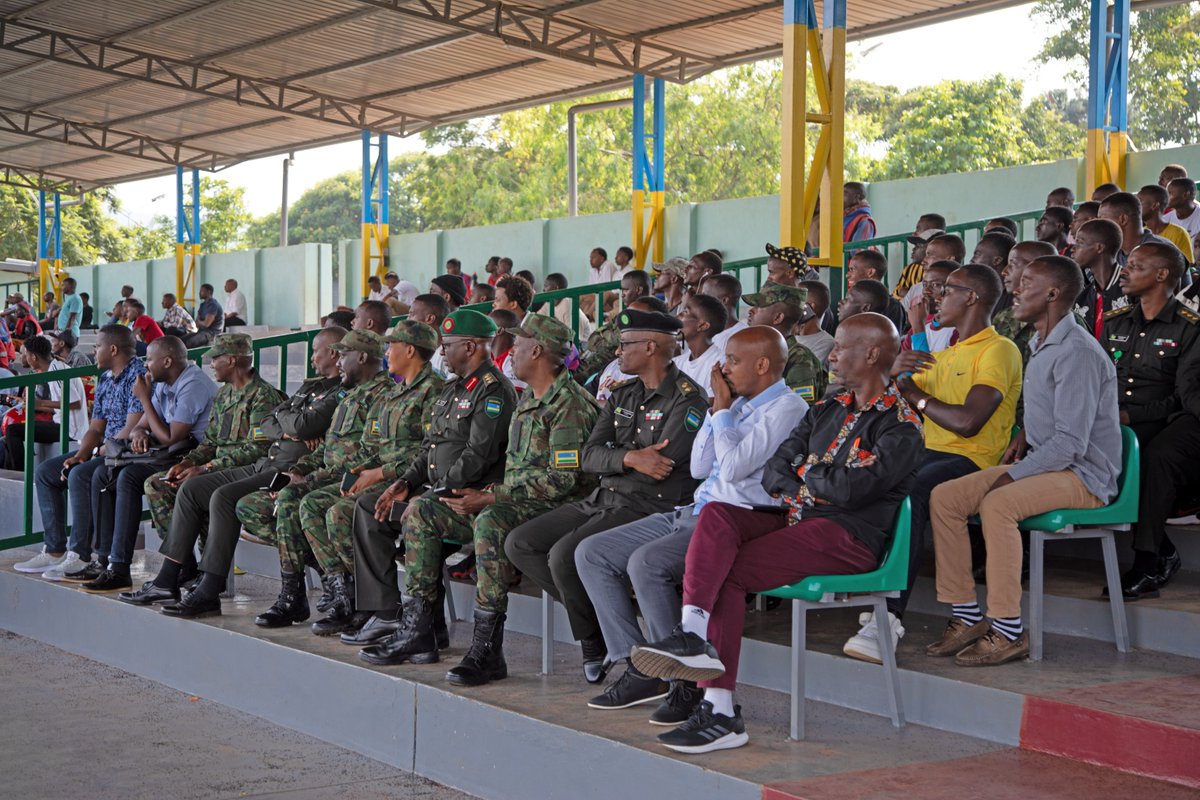
The United States just sent a massive signal to Kigali. By slapping sanctions on senior members of the Rwanda Defense Force (RDF), Washington isn't just wagging a finger anymore. It's actively targeting the machinery that keeps the M23 insurgency alive in the eastern Democratic Republic of Congo (DRC). If you’ve been following the shifting sands of African geopolitics, you know this is a big deal. For years, the relationship between the US and Rwanda was a "special" one, built on the guilt of the 1994 genocide and Rwanda’s reputation as a stable, efficient partner. That era is officially over.
The Treasury Department’s move targets specific individuals linked to the RDF’s operations across the border. We're talking about Brigadier General Andrew Nyamvumba and other high-ranking officers. The accusation is blunt. The US claims these men are coordinating with M23, a rebel group that’s been carving a bloody path through North Kivu. For the average person, this might look like another distant bureaucratic maneuver. It isn't. It’s a direct hit on Rwanda’s regional influence and a desperate attempt to stop a full-blown interstate war. Building on this theme, you can also read: The Sky Above Tehran Remembers How to Breathe.
Why the US Finally Pulled the Trigger
For a long time, the State Department tried "quiet diplomacy." They asked Rwanda nicely to stop backing the M23. They issued stern press releases. None of it worked. The M23 continued to seize territory, displacing over a million people and creating a humanitarian nightmare in cities like Goma. The US finally realized that words don't move the needle in Kigali. Money and international standing do.
By using Global Magnitsky sanctions and Executive Order 13413, the US is freezing assets and cutting these officers off from the global financial system. You can’t buy property in Dubai or move money through Western banks if you’re on this list. It’s meant to create friction within the Rwandan military hierarchy. The logic is simple. Make the cost of supporting the M23 higher than the perceived benefits of controlling Congolese mineral routes. Analysts at NPR have provided expertise on this situation.
The Mineral Wealth Behind the Bloodshed
Let’s be real for a second. This isn’t just about ethnic tensions or "ancient hatreds." That’s a lazy narrative. This is about coltan, gold, and tin. The eastern DRC is a geological scandal. It’s one of the richest places on earth, yet its people are among the poorest.
The M23 controls key transport routes. When they take a town like Bunagana, they aren't just taking land. They’re taking a toll booth. Rwanda has long been accused of laundering these minerals and exporting them as "Rwandan" products. It’s a lucrative business model that funds the very military structures the US is now sanctioning. When you look at the RDF’s presence in Congo, don't just see soldiers. See a logistics firm with guns.
A Failed Peace Process and the Luanda Roadmap
We’ve seen plenty of "peace deals" recently. The Luanda process and the Nairobi talks were supposed to fix this. They didn't. The M23 refused to withdraw to the Sabyinyo mountains as agreed. Meanwhile, the Congolese government in Kinshasa has been arming its own set of questionable militias, like the Wazalendo, to fight back.
The US sanctions are a response to this total collapse of diplomacy. Since the rebels won’t leave and the RDF won't stop providing them with "technical assistance" and surface-to-air missiles, the US felt it had to pick a side. It chose to back the territorial integrity of the DRC, even if President Felix Tshisekedi’s own government is far from perfect.
What This Means for Rwanda’s Reputation
President Paul Kagame has spent decades branding Rwanda as the "Singapore of Africa." It’s a country of clean streets, tech hubs, and high-speed internet. These sanctions pierce that bubble. It’s hard to sell yourself as a modern, law-abiding miracle state when your top generals are under US sanctions for contributing to a conflict that involves mass displacement and sexual violence.
Internal pressure is also building. While the Rwandan public rarely speaks out against the government—for reasons anyone familiar with Kigali’s security apparatus understands—the elite care about their bank accounts. If more officers get added to this list, the internal loyalty of the RDF might start to fray. It’s a high-stakes game of chicken between Washington and Kigali.
The Human Cost Most People Miss
While diplomats argue in New York and Washington, the reality on the ground in North Kivu is gut-wrenching. I’ve seen reports of camps for displaced people that are so overcrowded that cholera is a bigger threat than bullets. When the M23 advances, it’s the women and children who pay. They lose their farms, their homes, and their safety.
The sanctions are intended to stop the hardware. The US is specifically worried about the sophisticated weaponry the RDF has allegedly moved into the DRC. We aren't talking about rusty AK-47s anymore. We’re talking about drones and anti-aircraft systems. This equipment has grounded UN helicopters and changed the nature of the fight. It’s why the US is so spooked. They see the potential for this to turn into a conventional war between two of Africa’s most powerful militaries.
A Shift in US Africa Policy
This move marks a definitive pivot. Under previous administrations, Rwanda was the "darling" of the West. They sent peacekeepers to Darfur and the Central African Republic. They were the reliable ones. But the Biden-Harris administration, and now the current leadership in 2026, has decided that the regional instability caused by M23 outweighs the benefits of Rwanda’s peacekeeping contributions.
It’s a messy, complicated divorce. The US is still providing aid to Rwanda in other sectors, but the military-to-military relationship is at its lowest point in thirty years. This isn't just a "slap on the wrist." It's a fundamental recalibration of power in Central Africa.
Identifying the Sanctioned Individuals
It’s worth looking at who exactly got hit. The list isn’t just random names. It includes:
- Brigadier General Andrew Nyamvumba: Accused of commanding operations that directly supported M23 attacks on Congolese soil.
- Military Intelligence Leads: Those responsible for the "invisible" support—logistics, intelligence sharing, and tactical planning.
The Treasury Department doesn't do this on a whim. They have folders of evidence, satellite imagery, and intercepted comms. When they name a General, they’re telling the Rwandan government: "We see exactly what you're doing."
The DRC’s Role in the Mess
Don't think for a second that Kinshasa is blameless. President Tshisekedi has used the M23 crisis to deflect from internal failures. The Congolese army, the FARDC, is notorious for corruption and collaborating with the FDLR—a remnant group of the perpetrators of the Rwandan genocide.
Rwanda uses the FDLR’s presence as their primary excuse for being in the DRC. They say they’re protecting their borders from "genocidaires." The US sanctions basically say that excuse has expired. Even if the FDLR is a threat, the US view is that Rwanda’s response—backing the M23—is disproportionate and illegal.
How You Can Track the Impact
If you want to see if these sanctions are working, don't watch the news. Watch the exchange rate and the mineral markets. If the flow of "unofficial" minerals from the DRC slows down, you’ll see it in the data. You should also watch the UN Security Council briefings. If the US continues to push for similar sanctions at the UN level, it means they’re going for the jugular.
The next few months are critical. If the M23 doesn't pull back, expect the US to widen the net. We could see sanctions on Rwandan mining companies or even cuts to direct bilateral aid. For Kigali, the "special relationship" is no longer a shield.
The best way to stay informed is to follow the reports from the UN Group of Experts on the DRC. They provide the raw data that these sanctions are based on. It’s dense, but it’s the only way to cut through the propaganda from both sides. Keep an eye on the border crossings at Gisenyi and Goma. That’s where the real history of the next decade is being written. Keep checking the US Treasury's Office of Foreign Assets Control (OFAC) updates for new additions to the list. This isn't over yet.