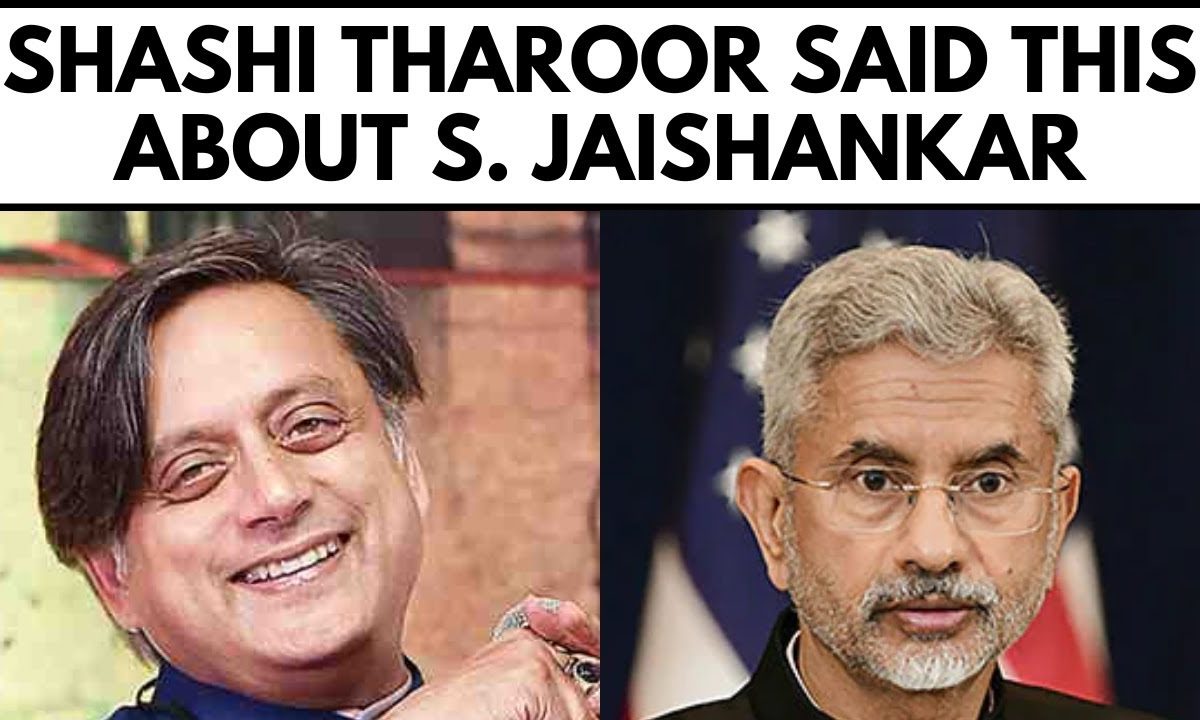
India's neighborhood isn't just getting crowded; it's getting dangerous. When news broke that Shashi Tharoor met with the Foreign Secretary for a briefing on the Iran conflict, it wasn't just another routine meeting in a wood-paneled room. It was a signal. In the complex geometry of West Asian politics, India is trying to find its feet while the ground keeps shifting.
You've probably seen the headlines. Tensions between Iran and Israel are no longer just shadow boxing in the dark. They're out in the open. For India, this isn't a distant problem. It's a domestic one. We have millions of citizens working in the Gulf. We have massive energy interests. Most importantly, we have a strategic tightrope to walk between Tehran and Washington.
Tharoor, who chairs the Parliamentary Standing Committee on External Affairs, described the briefing as "comprehensive" and "good." But what does that actually mean for you? It means the government is finally realizing that silence isn't a strategy.
Why the Iran Conflict Hits India Hard
Most people think of foreign policy as something abstract. It's not. If a single missile hits a refinery in the Strait of Hormuz, your petrol prices at the local pump spike by the weekend. That's the reality. During the briefing, Foreign Secretary Vinay Kwatra reportedly outlined the immediate risks to Indian shipping and the safety of the diaspora.
Iran is a tricky partner. We need them for the Chabahar Port to bypass Pakistan and reach Central Asia. Yet, we can't afford to alienate Israel, a massive defense supplier, or the US. It's a mess. Tharoor’s involvement is significant because he brings a level of international experience that most politicians lack. He knows the UN corridors. He knows how these things escalate.
The briefing focused on de-escalation. India wants everyone to put their weapons down. That's the official line. Behind the scenes, it's about protecting the Indian workforce in Israel and the surrounding Arab nations. If a full-scale war breaks out, the evacuation effort would dwarf anything we've seen before. Think Vande Bharat mission, but on steroids.
The Tharoor Factor in Indian Diplomacy
It's rare to see such public acknowledgement of a "good briefing" from an opposition leader. Usually, it's all bickering. This shows the gravity of the situation. Tharoor's praise suggests the Ministry of External Affairs (MEA) is being transparent about the risks.
I've watched how these briefings go. Usually, it's a lot of "we are monitoring the situation closely." But the current volatility in the Middle East—or West Asia as the MEA prefers—doesn't allow for platitudes. The Houthis are attacking ships. Iran is making moves. Israel is retaliating. India is stuck in the middle, trying to keep its trade routes open.
Tharoor's feedback gives the government a bit of bipartisan cover. It tells the world that on matters of national security and vital foreign interests, India speaks with a unified voice. That's a powerful tool in diplomacy. It's not just about what is said in the room; it's about the message sent to Tehran and Tel Aviv.
What the Briefing Missed
While Tharoor was satisfied, we shouldn't be complacent. A briefing is just words. The real test is action. How prepared is the Indian Navy to escort merchant vessels? What happens if our oil supply from the region is cut by 20%? These are the questions that keep economists awake at night.
The conflict isn't just about drones and missiles. It's about the long-term shift in power. If Iran becomes a pariah state again, our investment in Chabahar is dead in the water. If Israel goes to total war, our technological and defense ties take a hit. There's no winning scenario here for India, only damage control.
The government needs to move beyond just briefing committees. We need a clear, public doctrine on how we protect our interests in a multi-polar world where the old rules don't apply. The Foreign Secretary's job is to manage the crisis. The government's job is to prevent the next one.
Preparing for the Aftermath
Don't wait for the government to tell you things are bad. Keep an eye on the Brent Crude prices. Watch the movement of the Indian Rupee. These are the true barometers of how the Iran conflict is affecting us.
If you're an investor or someone with family in the Gulf, stay updated through official MEA channels. Don't rely on WhatsApp rumors. The situation is fluid. Tharoor's briefing was a start, but it's the beginning of a very long and bumpy road.
Check the MEA's travel advisories daily if you have plans in the region. Diversify any investments that are heavily tied to energy prices. Stay informed, stay skeptical, and realize that in geopolitics, there are no permanent friends, only permanent interests. The briefing confirmed one thing: India’s interests are currently under immense pressure.