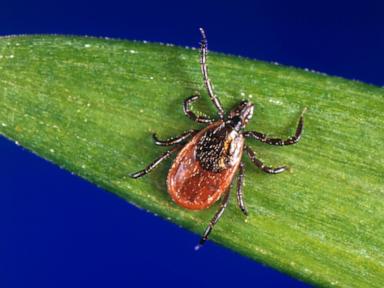
The warming climate isn't just changing the weather; it is rewriting the map of infectious disease in North America. We are currently witnessing an unprecedented surge in tick activity that began earlier and hit harder than in any previous decade. While standard reporting focuses on the inconvenience of a bite, the deeper story lies in the collapse of traditional "tick seasons" and the inability of our medical infrastructure to keep pace with expanding geographic risks. Ticks are no longer a seasonal nuisance confined to the Northeast and upper Midwest. They are a year-round reality in regions that once considered them an exotic threat.
This shift is driven by a combination of shorter winters, fragmented forests, and a massive explosion in the population of host animals like white-tailed deer and mice. As average winter temperatures rise, ticks remain active for more days out of the year. They don't die off during the brief cold snaps that used to thin their numbers. Instead, they wait. The moment the ground thaws, they climb.
The Myth of the Tick Season
For years, public health messaging relied on the idea that tick risk peaked in June and July. That data is now dangerously obsolete. Field biologists are pulling active black-legged ticks off brush in February. This isn't an anomaly. It is the new baseline.
When the frost line fails to penetrate deep into the soil, the mortality rate of overwintering arachnids drops significantly. We are seeing "questing" behavior—the way a tick waits on a blade of grass with its front legs outstretched—well before the traditional start of spring. This creates a massive gap in public awareness. People aren't checking themselves for bites in March because they don't think they need to. By the time they feel the fatigue or see the rash, the infection has already gained a foothold.
Infrastructure Built for a Different Era
Our current diagnostic and surveillance systems were designed for a world where Lyme disease lived in specific pockets of the country. If you showed up at an ER in the South or the Mountain West with a bullseye rash ten years ago, you might have been told it was a spider bite. Today, that lack of local expertise is a liability.
The diagnostic process remains notoriously flawed. The standard two-tier blood test for Lyme disease looks for antibodies, not the bacteria itself. These antibodies take weeks to develop. If a patient gets tested immediately after a bite, they often receive a false negative. This creates a false sense of security, allowing the pathogen to move into the nervous system or joints. We are essentially using 20th-century tools to fight a 21st-century biological expansion.
The Problem of Co-Infections
Focusing solely on Lyme disease ignores a more complex reality. Ticks are biological syringes capable of carrying multiple pathogens simultaneously. A single bite can deliver Borrelia burgdorferi along with Anaplasma, Babesia, or Powassan virus.
Babesiosis, a malaria-like parasite that attacks red blood cells, is spreading into areas where it was previously unknown. Because the symptoms overlap with many viral infections, it frequently goes undiagnosed until the patient is severely anemic. This "poly-infection" reality makes treatment difficult. A standard course of doxycycline might kill the Lyme bacteria but do nothing to stop the Babesia parasite. Physicians in newly infested regions are often unprepared for this complexity.
Ecological Mismanagement and the Host Boom
To understand why there are more ticks, you have to look at how we manage the land. Suburban sprawl has created a "perfect" environment for the primary hosts of the deer tick. We have fragmented large forests into small patches of woods surrounded by manicured lawns.
This environment is a nightmare for predators like foxes and owls but a paradise for the white-footed mouse. Mice are the most effective reservoirs for Lyme disease. They don't groom ticks off their bodies as effectively as other small mammals. When a mouse population thrives in a suburban backyard without predators, every tick that feeds on them becomes a carrier.
Furthermore, the deer population has moved beyond sustainable levels in many suburban corridors. In some areas, deer densities are ten times what the ecosystem can naturally support. Since a single adult female tick can lay 3,000 eggs after a blood meal from a deer, the math is simple. More deer equals more ticks. Fewer predators equal more infected ticks. We have engineered a landscape that prioritizes the spread of these pathogens.
The Economic Burden of Misdiagnosis
The financial toll of tick-borne illness is staggering, yet poorly quantified. When a patient isn't diagnosed correctly in the early stages, the cost of care skyrockets. Chronic symptoms—joint pain, cognitive impairment, and extreme exhaustion—can sideline workers for months or years.
Insurance companies often balk at long-term antibiotic treatments or specialized care for "post-treatment Lyme disease syndrome." This leaves patients in a bureaucratic limbo, paying out of pocket for treatments that may or may not work. The lack of a definitive "cure" for late-stage symptoms creates a vacuum filled by expensive, unproven alternative therapies. This isn't just a health crisis; it's an economic drain on families and the broader healthcare system.
The Changing Map of Risk
The black-legged tick is the most famous culprit, but it isn't the only one moving. The Lone Star tick, once confined to the South, is now firmly established in the North and Midwest. This species brings a unique threat: Alpha-gal syndrome.
Alpha-gal is a sugar molecule found in most mammals. When a Lone Star tick bites a human, it can sensitize the person's immune system to that molecule. The result is a life-altering allergy to red meat and dairy. Imagine eating a burger and going into anaphylactic shock four hours later. This isn't a rare side effect anymore. Thousands of people are discovering this allergy every year in states like New York and New Jersey, where the Lone Star tick was once a rarity.
The Asian Longhorned Tick
A new player entered the field recently. The Asian Longhorned tick was first detected in the U.S. in 2017. Unlike native species, the females of this species can reproduce without a mate. They clones themselves by the thousands. While its impact on human health in the U.S. is still being studied, it has already proven devastating to livestock. In some cases, cattle have died from blood loss because they were covered in so many ticks. This adds a layer of agricultural risk that most people haven't even considered.
Practical Defenses in a High-Risk World
Waiting for a government solution or a new vaccine is a losing strategy for the individual. Protecting yourself requires a shift in mindset. Treat your clothing with permethrin, a synthetic version of a chemical found in chrysanthemums. Unlike DEET, which you put on your skin, permethrin stays on your clothes through multiple washes and actually kills ticks on contact.
The "tick check" needs to become as routine as brushing your teeth. Ticks don't bite immediately. They crawl upward, seeking thin skin behind the knees, in the groin, or under the arms. You usually have a window of several hours to find them before they latch.
Landscape Modification
If you own property, you can reduce your risk by creating a "no-man's land" between the woods and your lawn. A three-foot-wide barrier of wood chips or gravel can stop ticks from migrating into your yard. They hate dry, hot surfaces. Keep your grass short and remove leaf piles, which act as humid apartments for ticks during the heat of the day.
The Medical Knowledge Gap
The most significant hurdle remains the education of the medical community. Medical schools in the West or the Deep South often spend very little time on tick-borne pathogens. As people travel and ticks migrate, a doctor in Phoenix needs to be just as familiar with Lyme symptoms as a doctor in Connecticut.
We need a standardized, nationwide surveillance program that uses real-time data from veterinarians and human clinics. Often, we see a spike in tick-borne diseases in local dog populations months before we see the spike in humans. Dogs are the sentinels. If the local vet is seeing a lot of Lyme or Anaplasmosis, the local GP should be on high alert. We aren't connecting these dots effectively.
The reality is that the environment has changed, and it isn't going back. The "fast start" to the season isn't a one-off event. It is the beginning of a permanent expansion. Treating it as a temporary weather-related fluke is a recipe for a public health disaster. We are living in a more dangerous biological landscape, and our habits, homes, and hospitals must adapt immediately to reflect that.
Demand better diagnostic tools from your representatives. Force the conversation about deer population management in your local town halls. The era of ignoring the tiny parasite in the grass is over. If you aren't looking for them, they will eventually find you.