Ryan Coogler’s Sinners was never going to be a quiet release. When you pair the director of Black Panther with Michael B. Jordan for a supernatural period piece, the industry expects a tectonic shift. But the conversation around this film has mutated from a standard blockbuster rollout into a high-stakes experiment in reputation management. The film’s path to the Academy Awards has been complicated by a documented racial slur used during a heated production dispute, creating a friction point that the studio is now attempting to flip into a narrative of growth and underdog resilience.
This isn't just about a movie anymore. It is about how the Hollywood machine processes controversy to manufacture prestige. By leaning into the "underdog" tag, the campaign for Sinners is attempting to bypass the usual gatekeepers of taste. The strategy is clear: transform a PR nightmare into a tale of overcoming adversity. If the Academy buys it, they aren't just rewarding a film; they are validating a specific type of industrial forgiveness. If you liked this post, you should check out: this related article.
The Mechanics of the Manufactured Comeback
Hollywood loves a redemption arc because it mirrors the three-act structure of the films it produces. When news broke of the racial slur used on set, the immediate instinct from the risk-averse executive suites was to bury the project. Instead, the strategy shifted toward radical transparency—or at least the appearance of it.
The industry works on a system of social capital. When that capital is depleted by a scandal, the only way to replenish it is through a public display of contrition that feels "authentic" to the voting body. In this case, the Sinners team has focused on the grueling nature of the shoot and the passion of the crew. They are betting that the voters’ desire to reward hard work will outweigh their discomfort with the production's darker moments. For another look on this event, see the recent update from IGN.
Numbers That Define the Stakes
The financial and demographic data surrounding the Academy Awards provides the backdrop for this gamble. Oscar voters remain a specific demographic, though the Academy has made efforts to diversify its ranks since the #OscarsSoWhite protests.
- Demographic Shifts: As of the most recent reporting, the Academy is approximately 66% male and 81% White.
- The Black Vote: Black members make up roughly 19% of the Academy, a significant increase from the 8% recorded in 2015, but still a minority that holds immense sway over "prestige" narratives involving Black-led cinema.
- The Budget Factor: Sinners carries a production budget estimated at $75 million, a massive sum for an R-rated original horror-thriller. To break even, it needs a global haul north of $150 million, a feat rarely achieved without the "prestige" boost that comes from awards season buzz.
When a film like Sinners enters the race, it isn't just competing against other movies. It is competing against the internal biases of a voting body that often rewards Black trauma or "lesson-teaching" narratives over genre-bending spectacle. By framing the film’s internal struggles as a microcosm of systemic friction, the campaign is attempting to make the film "important" rather than just "good."
The Myth of the Underdog in a $75 Million Production
Calling a film backed by Warner Bros. and directed by a man who has generated billions in global box office an "underdog" is a stretch that only Hollywood could attempt. It is a tactical misdirection. The label isn't about the film’s resources; it’s about its perceived standing in the "polite society" of the awards circuit.
The slur incident created a "stain" that usually disqualifies a film from the Best Picture conversation. However, by embracing the underdog narrative, the filmmakers are positioning themselves as outsiders fighting against a judgmental establishment. This is a brilliant, if cynical, move. It allows the production to claim the moral high ground by suggesting that their "growth" is more valuable than the "purity" of their competitors.
The Role of Michael B. Jordan as the Shield
Michael B. Jordan is the most critical asset in this campaign. His track record is spotless. His charisma is undeniable. By putting Jordan at the forefront of the press tour, the studio is using his personal brand to insulate the film from the toxicity of the on-set incident.
Jordan represents the "hard work" element of the narrative. When he speaks about the physical toll of the dual roles he plays in Sinners, he shifts the focus away from the boardroom and back to the craft. It’s a classic diversion. If the lead actor—a prominent Black voice in the industry—is willing to stand by the project, the logic goes, then the audience and the voters should feel safe doing the same.
The Counter Argument The Industry Ignores
There is a valid question that few in the trade publications are willing to ask: Does the quality of the film actually matter if the culture surrounding its creation was toxic?
The "art vs. artist" debate is a tired one, but Sinners adds a new layer. This isn't a case of a lone director with a checkered past; it’s a case of a collective effort that was marred by a specific, ugly event. If the Academy rewards Sinners, it sends a message that any production-level failure can be scrubbed clean by a well-funded PR firm and a "moving" apology tour.
This sets a dangerous precedent. It suggests that the "underdog" narrative is a get-out-of-jail-free card for massive corporations. If a film is good enough, the industry is willing to ignore the "how" of its making. We saw this with Green Book, and we saw it with Bohemian Rhapsody. Sinners is simply the latest iteration of this pattern, albeit with a more modern, socially conscious coat of paint.
Breaking Down the Viral "Slur" Incident
The incident in question involved a high-ranking producer and a crew member during a 14-hour night shoot in the Louisiana heat. While the specific details were initially suppressed by non-disclosure agreements, the leak was inevitable. The fallout was swift.
- Phase One: Deny and Contain.
- Phase Two: Acknowledge and Contextualize.
- Phase Three: The Pivot to "Learning Opportunity."
We are currently in Phase Three. The "learning opportunity" is the engine driving the Oscar campaign. By framing the conflict as a moment of "radical healing," the film’s backers are attempting to turn a liability into a unique selling point. They want voters to feel that by casting a ballot for Sinners, they are participating in a communal act of progress.
The Horror Genre as a Trojan Horse
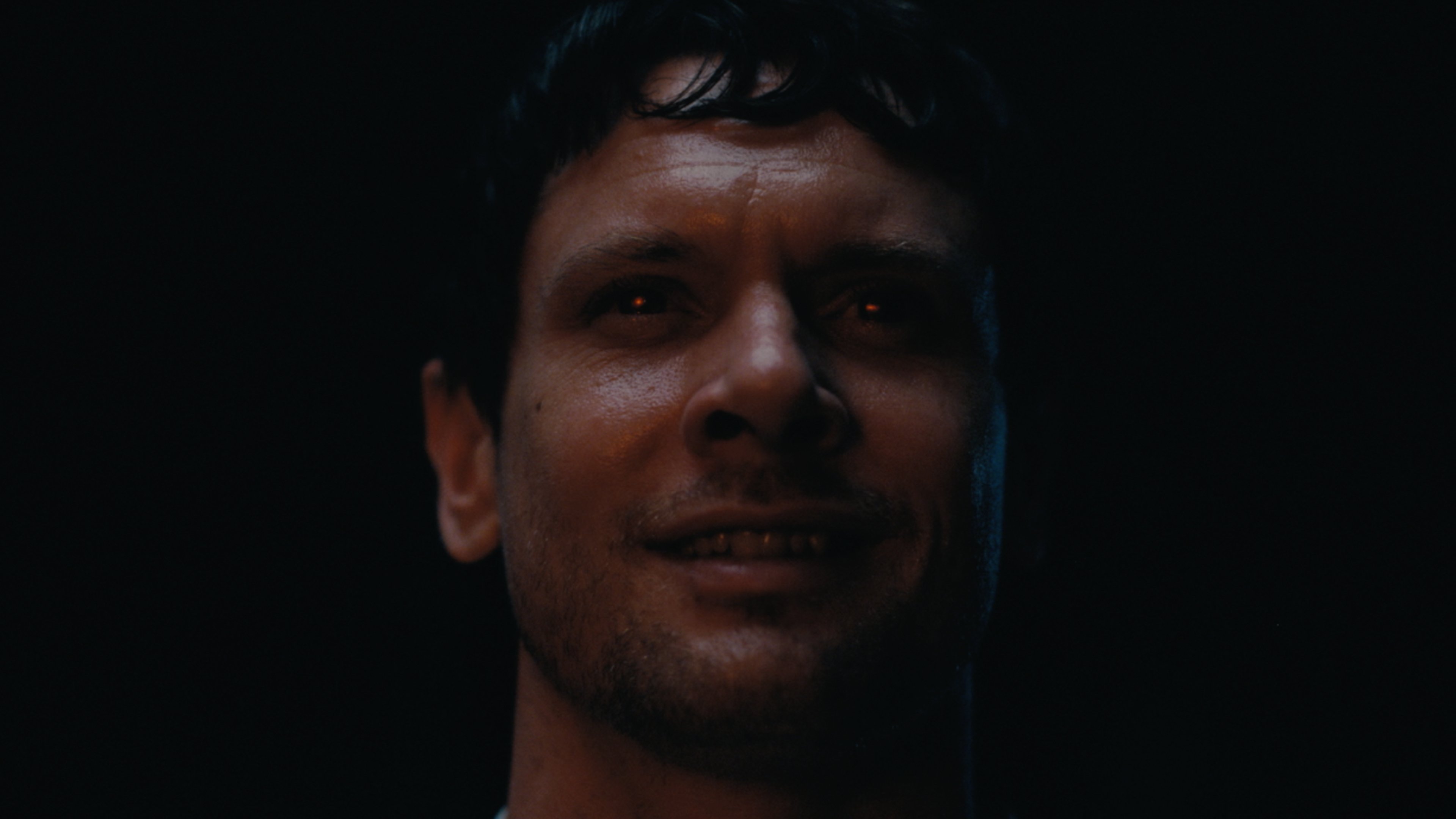
Sinners is, at its core, a vampire movie. Historically, the Academy hates horror. Only a handful of horror films, like The Silence of the Lambs or Get Out, have ever made a serious dent in the major categories.
The "underdog" narrative serves a dual purpose here. It helps the film overcome the "horror stigma" by suggesting that the movie is about something much deeper than jump scares. It frames the vampires not just as monsters, but as metaphors for the very real racial and social tensions that plagued the production. This adds a layer of intellectual "heft" that Academy members crave. They want to feel like they are voting for something that "matters."
The Financial Reality of Forgiveness
Let’s look at the cold reality of the box office. Original IP is dying. Every major studio is terrified of a $75 million loss.
| Film Project | Budget | Marketing Spend (Est.) | Critical Reception Need |
|---|---|---|---|
| Sinners | $75M | $40M | 85%+ Rotten Tomatoes |
| Typical Horror | $15M | $20M | 60%+ Rotten Tomatoes |
| Superhero Sequel | $200M | $100M | 50%+ Rotten Tomatoes |
The marketing spend for Sinners is unusually high because they are buying back the public’s trust. They aren't just selling a movie; they are selling a version of Ryan Coogler and Michael B. Jordan that remains untarnished. If the film flops, it isn't just a financial loss; it’s a blow to the "cultural savior" status that Coogler has enjoyed since 2018.
The Risk of Overplaying the Hand
There is a point where a "redemption" narrative becomes too polished. If the campaign feels too much like a corporate apology, the audience will recoil. We are seeing early signs of this "redemption fatigue" on social media.
The public is increasingly savvy about how these narratives are constructed. They know when they are being "handled." The danger for Sinners is that the movie itself might get lost in the noise of its own defense. If the film is merely "good" and not "transcendent," the gap between the hype and the reality will be filled by the lingering stench of the production controversy.
What We Overlook in the Narrative
We often talk about the "winners" and "losers" of an Oscar race, but we rarely talk about the crew. The people who were actually on the ground when the slur was uttered. Their voices are missing from the "underdog" narrative.
For the production assistants and the grips, there is no Oscar at the end of the road. There is only the memory of a hostile work environment and the knowledge that their trauma is being used as fuel for a Best Picture campaign. This is the "ugly" side of the Hollywood machine that no amount of Michael B. Jordan's charm can fully mask.
The Academy has a choice to make. They can reward the film for its technical brilliance—and by all accounts, it is a visual marvel—or they can use their platform to signal that the "how" of a movie matters just as much as the "what."
The industry is watching closely. If Sinners walks away with a shelf full of statues, it will provide a blueprint for every future production that finds itself in hot water. The message will be clear: controversy is just another marketing tool if you have the right actors and a talented enough director to spin it.
Ask yourself if the "underdog" is the person who used the slur or the people who had to hear it. The answer to that question determines whether the Sinners campaign is a triumph of the human spirit or just a very expensive piece of crisis management.
Check the trades for the next round of "exclusive" interviews with the producers. You’ll see the narrative being tightened. You’ll see more talk of "growth" and "difficult conversations." It’s a script as old as the hills, and Hollywood is betting that you haven't memorized the lines yet.