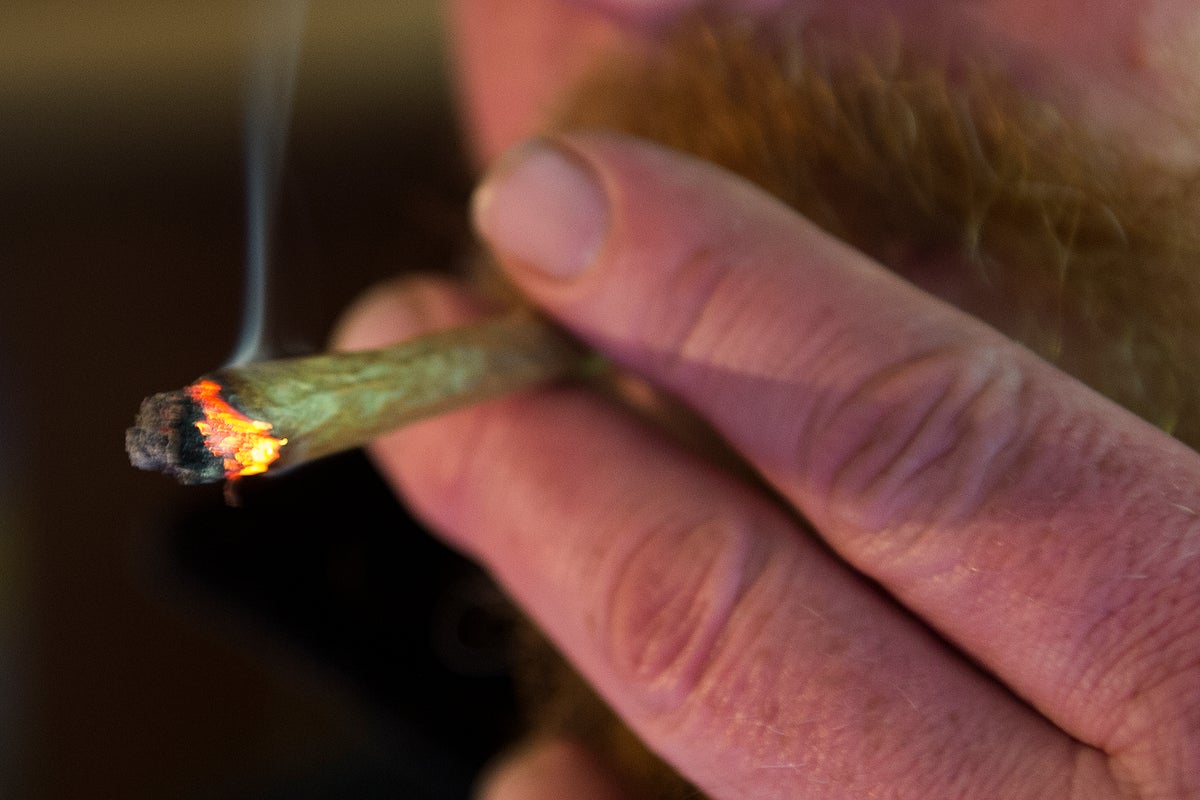
The American sleep crisis is no longer a matter of lifestyle hygiene but a systemic reliance on pharmacological intervention, with roughly 13% of the population now utilizing marijuana or specialized drugs to bypass biological wakefulness. This trend signifies a shift from "naturalistic rest" to "engineered sedation," where the goal is not the restoration of cognitive function but the immediate cessation of consciousness. By analyzing the intersection of neurobiology, habit formation, and chemical dependency, we can map the structural failure of the modern sleep cycle and the biological costs associated with these interventions.
The Hierarchy of Sedative Intervention
To understand why 13% of the population has opted for chemical sleep aids, we must categorize these substances by their mechanism of action and their impact on the architecture of sleep. Sleep is not a monolithic state of inactivity; it is a complex sequence of cycles, including light sleep, deep Slow-Wave Sleep (SWS), and Rapid Eye Movement (REM) sleep. Most pharmaceutical and cannabis-based aids fail to replicate this architecture, leading to a "sedation-restoration gap."
- GABAergic Modulators (Z-drugs and Benzodiazepines): These compounds enhance the effect of gamma-aminobutyric acid, the primary inhibitory neurotransmitter in the brain. While effective at inducing rapid unconsciousness, they frequently suppress SWS and REM sleep. The result is a user who is technically unconscious but cognitively unrecovered.
- Cannabinoids (THC and CBD): Marijuana users often cite sleep induction as a primary benefit. THC reduces sleep latency (the time it takes to fall asleep) but is a known REM suppressant. Chronic use creates a "REM rebound" effect upon cessation, characterized by intense, disruptive dreaming and increased night-time awakenings.
- Melatonin and OTC Antihistamines: While often viewed as benign, these substances occupy the lower tier of the hierarchy. Antihistamines, specifically diphenhydramine, induce sleep via H1 receptor antagonism but carry a heavy "cholinergic burden," leading to next-day grogginess and impaired memory consolidation.
The Negative Feedback Loop of Sleep Latency
The decision to self-medicate is rarely a first-line response. It is the result of a compounding feedback loop where the anxiety of insomnia becomes a more significant barrier than the physiological inability to sleep. This creates a "Chemical Dependency Cycle" defined by three distinct phases:
- Phase 1: Physiological Disruption. External factors—blue light, inconsistent schedules, or high cortisol—extend sleep latency.
- Phase 2: Anticipatory Anxiety. The individual begins to fear the inability to sleep, which triggers the sympathetic nervous system (fight or flight), further delaying sleep.
- Phase 3: Exogenous Intervention. The individual introduces a substance to force the "off switch." This provides immediate relief but reinforces the psychological belief that sleep is impossible without assistance.
Over time, this process leads to Downregulation. The brain, sensing an external supply of sedative signaling, reduces its natural production of sleep-promoting neurochemicals or desensitizes the receptors. This is the physiological basis of tolerance; the user requires higher doses to achieve the same sedative effect, while their baseline ability to sleep naturally erodes further.
The Economic and Cognitive Cost of Sedated Sleep
The reliance on these substances creates a hidden tax on human capital. While the 13% figure highlights usage, it fails to quantify the degradation in performance. Sedated sleep lacks the glymphatic clearance—the brain's waste-removal system—that occurs most efficiently during deep, natural sleep.
The Glymphatic Bottleneck
During NREM sleep, the space between brain cells increases, allowing cerebrospinal fluid to flush out metabolic waste, including amyloid-beta proteins associated with neurodegenerative diseases. Pharmaceutical sedatives often truncate these deep NREM phases. The user may "sleep" for eight hours, but the biological cleaning process is incomplete. This manifests as chronic brain fog, reduced executive function, and a long-term increase in the risk of cognitive decline.
The Cortisol Spike and Metabolic Friction
Many who use marijuana or alcohol to sleep experience a metabolic rebound in the second half of the night. As the substance is metabolized and cleared from the bloodstream, the body undergoes a "mini-withdrawal," triggering a spike in cortisol and norepinephrine. This often results in "3:00 AM awakenings," where the user wakes up suddenly with a racing heart, unable to return to sleep without another dose.
Structural Barriers to Naturalistic Sleep
The rise in drug-assisted sleep is a rational response to an irrational environment. The modern industrial and digital landscape is architecturally hostile to the human circadian rhythm.
- Circadian Mismatch: The human biological clock is tuned to the solar cycle. The ubiquity of LED lighting and screen-based work extends the "biological day" indefinitely. This suppresses the natural rise of endogenous melatonin, which should begin hours before sleep.
- Thermal Regulation: A drop in core body temperature is a primary biological signal for sleep. Modern housing, with centralized climate control, often keeps evening temperatures too high, preventing the body from reaching the necessary thermal threshold for deep sleep.
- The Stimulant-Sedative Seesaw: A significant portion of the 13% utilizing sleep aids are likely also high-level consumers of caffeine or prescription stimulants (such as ADHD medications). This creates a "see-saw" effect where the individual uses stimulants to override sleep pressure during the day and sedatives to override the stimulants at night.
Strategic Re-Engineering of the Sleep Architecture
Solving the dependency on sleep pharmacology requires a move away from "symptom suppression" toward "systemic restoration." The goal is to lower the threshold for natural sleep induction rather than forcing it chemically.
1. Managing the Light-Dark Ratio
The most potent tool for regulating the sleep-wake cycle is light, not chemistry. Strategic exposure to high-intensity sunlight within 30 minutes of waking sets a "circadian timer" that triggers melatonin production roughly 16 hours later. Conversely, a "digital sunset"—the elimination of blue light two hours before bed—is a non-pharmacological way to prevent melatonin suppression.
2. Pharmacological Tapering and Substitution
For those already within the 13% usage bracket, immediate cessation is often met with severe insomnia and REM rebound. A structured tapering strategy involves shifting from high-potency sedatives (Z-drugs/THC) to "permissive" aids such as magnesium glycinate or L-theanine. These do not force sedation but instead lower the systemic "noise" of the nervous system, allowing the body's natural drive for sleep (adenosine pressure) to take over.
3. Cognitive Behavioral Therapy for Insomnia (CBT-I)
CBT-I remains the gold standard for breaking the psychological feedback loop of sleep anxiety. It utilizes techniques like stimulus control—ensuring the bed is used only for sleep—to re-associate the environment with rest rather than frustration.
The reliance on marijuana and sleep drugs is a diagnostic indicator of a society at its biological limit. The 13% usage rate is not a statistical anomaly but a predictable outcome of a culture that prioritizes wakeful productivity over restorative biological processes. To move beyond this, the strategy must shift from "buying sleep" in a bottle to "earning sleep" through the rigorous management of light, temperature, and neurochemical timing.
The most effective long-term intervention is the gradual re-sensitization of the brain’s own inhibitory systems, allowing the natural adenosine-melatonin pathway to function without the interference of exogenous ligands. This requires a calculated withdrawal from the stimulant-sedative cycle and a return to environmental conditions that respect human evolutionary biology.